Joseph Kabila launches new rebel movement in DR Congo 2026: implications for security, mining and elections
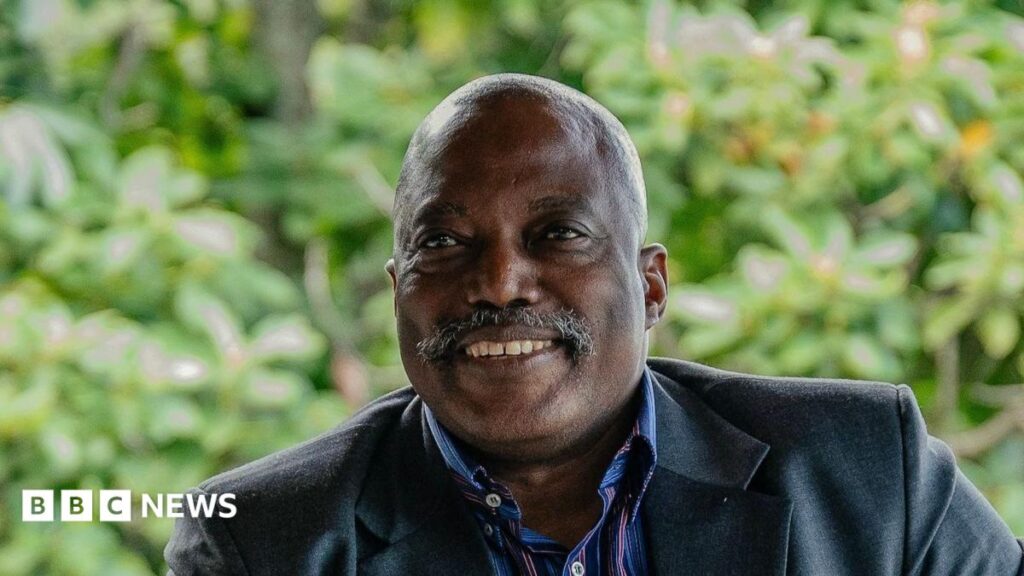
From presidential palace to rebel camp – a quick recap
Joseph Kabila ruled the Democratic Republic of Congo (DRC) for 19 years after succeeding his assassinated father, Laurent‑Kabila, in 2001. His tenure was marked by a fragile peace after the Second Congo War, a series of contested elections and a growing reputation for corruption and patronage, especially in the mineral‑rich eastern provinces.
Kabila stepped down in 2019 after a delayed vote that sparked street protests and international criticism. Since leaving office he has kept a low public profile, but his network of loyalists – many of them former army officers and provincial governors – remained influential in the country’s political and economic life. The surprise announcement in early October 2026 that Kabila is now heading a new rebel movement has shocked observers who had assumed his political ambitions were over.
What the new rebel group looks like
The movement, dubbed the “National Liberation Front of the Congo” (FLNC), was unveiled at a makeshift headquarters in the town of Bunia, Ituri province. In a video released on social media, Kabila declared that the FLNC would fight “foreign exploitation and the betrayal of the Congolese people by a corrupt elite.” The group claims to have recruited former FARDC (Congolese army) soldiers, militia fighters from the Mai‑Maboko and Nyatura groups, and a handful of civilian volunteers.
According to a statement quoted by Al Jazeera, the FLNC’s immediate objectives are to halt the extraction of cobalt and coltan by multinational corporations, to demand a new national dialogue, and to force the government to schedule early presidential elections before the constitutional deadline of 2028. Analysts say the group’s rhetoric mirrors past insurgencies that leveraged anti‑mining sentiment to gain local support, but Kabila’s personal brand adds a political dimension that could broaden its appeal.
Why the rebel launch matters for Congo’s security landscape
The eastern DRC has been a tinderbox of armed factions for more than two decades. The entry of a former head of state into that mix raises the stakes dramatically. Security experts warn that Kabila’s intimate knowledge of the state’s intelligence apparatus could enable the FLNC to coordinate attacks more effectively, potentially stretching the already overstretched United Nations peacekeeping mission (MONUSCO) to its limits.
Moreover, the FLNC’s stated anti‑mining stance threatens to destabilise the supply chains of critical minerals that power global tech industries. If the group succeeds in disrupting cobalt shipments from the Katanga and Lualaba provinces, it could push prices higher and force multinational firms to rethink their contracts with local partners, a scenario that would reverberate far beyond Africa’s borders.
Regional fallout: neighbours watch closely
The DRC shares porous borders with Uganda, Rwanda, Burundi, South Sudan, the Central African Republic and Tanzania. Past rebel incursions have often spilled over, prompting refugee flows and cross‑border raids. Rwanda and Uganda, both heavily involved in Congo’s mining sector, have already issued diplomatic protests, saying the FLNC could jeopardise joint security operations against the Allied Democratic Forces (ADF).
The Southern African Development Community (SADC) is expected to convene an emergency summit in early November, according to a source at the organization. The summit will likely discuss whether to reinforce MONUSCO, impose targeted sanctions on FLNC leaders, or open a new regional mediation track that includes Kabila’s political allies.
Diaspora, investors and the global market feel the tremor
The Congolese diaspora in Europe and North America has reacted with a mix of alarm and curiosity. Community leaders in Brussels, home to the largest Congolese expatriate population, have called for a peaceful resolution, warning that renewed fighting could trigger a fresh wave of asylum claims. Meanwhile, investors in the “Battery Metals Belt” are scrambling to assess risk. Bloomberg reported that the price of cobalt futures rose 3 % on the day of the FLNC’s announcement, reflecting market anxiety over possible supply disruptions.
International NGOs, including Human Rights Watch, have urged the DRC government to engage in an inclusive dialogue that addresses the grievances Kabila is exploiting – notably land rights, revenue sharing and the prevalence of child labour in mines. If the government ignores these issues, the FLNC may find fertile ground for recruitment, especially among youths who feel excluded from the country’s mineral wealth.
What could happen next – scenarios and possible solutions
Analysts outline three plausible trajectories. The first is a rapid military crackdown that could temporarily contain the FLNC but risk civilian casualties and a humanitarian crisis, as seen in previous operations in North Kivu. The second scenario envisions a negotiated settlement, where Kabila’s movement is integrated into a broader political transition that includes early elections and a review of mining contracts. This path would require the backing of regional powers and the UN, and could restore some stability if trust can be rebuilt.
A third, more ominous outcome is a protracted low‑intensity conflict that fragments the eastern provinces further, drawing in other armed groups and foreign mercenaries. Such a spiral would deepen the already massive displacement figures – currently estimated at over 5 million internally displaced persons – and could trigger a new wave of sanctions from the European Union. The next few weeks, especially any diplomatic overtures from President Félix‑Tladi’s administration, will be decisive in shaping which of these paths the DRC follows.
Quick Answers
Why did former President Joseph Kabila decide to start a rebel movement in 2026?
Kabila says the FLNC will fight foreign exploitation and a corrupt elite, but analysts view it as a bid to regain political influence ahead of the 2028 elections.
How could the new rebel group affect global cobalt supplies?
If the FLNC disrupts mining in Katanga and Lualaba, cobalt shipments could fall, pushing prices up and prompting tech firms to seek alternative sources.
What role can the African Union play in resolving the crisis?
The AU can facilitate a regional dialogue, endorse a cease‑fire and pressure neighbouring states to prevent cross‑border spill‑over of the conflict.
Source: www.bbc.co.uk




💬 Comments 0