Judge rejects DOJ bid to halt California ballot processing, appeal expected
Background: The DOJ’s unprecedented request
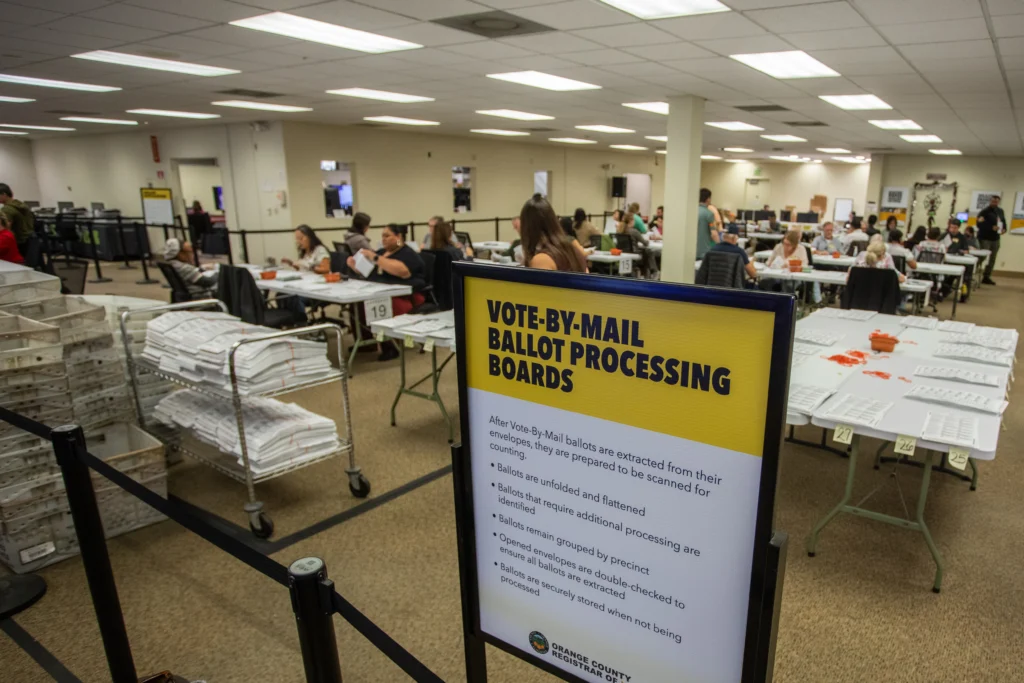
In early October 2026, the U.S. Department of Justice filed a lawsuit seeking a court order that would stop California from continuing to process mail‑in ballots received after Election Day. The move was framed as a safeguard against alleged “ballot‑stuffing” and was the first time the federal government asked a court to intervene directly in a state’s ballot‑counting timeline.
California, which routinely handles millions of absentee ballots, argued that the request violated state law and the Constitution’s guarantee that states run their own elections. The state’s legal team pointed out that the deadline for processing ballots is set by California statutes, not by the federal government, and that the DOJ’s claim lacked any concrete evidence of fraud.
The ruling and an immediate appeal
U.S. District Judge Araceli Martinez dismissed the DOJ’s request, stating that the government had not demonstrated a compelling need to override California’s established procedures. The decision emphasized the principle that federal interference in state election administration must be narrowly tailored and backed by solid proof.
Within hours of the ruling, the Justice Department filed a notice of appeal, signaling that the legal battle is far from over. Legal analysts expect the case to move to the Ninth Circuit Court of Appeals, where it could set a precedent for how far the federal government can go in policing state‑run elections.
Why the fight matters: Federal‑state power and voting rights
The case sits at the crossroads of two contentious issues: the balance of power between the federal government and the states, and the ongoing debate over voting‑rights protections. If the appeal succeeds, it could empower the DOJ to issue similar injunctions in other swing states, potentially reshaping the timeline and mechanics of future elections.
Critics warn that such power could be used to delay or invalidate votes in jurisdictions that lean Democratic, while supporters argue it is a necessary tool to prevent fraud. The outcome will likely influence how quickly states can certify results, which in turn affects the certainty of electoral outcomes and the public’s confidence in the democratic process.
Implications for the African diaspora and broader U.S.–Africa relations
California is home to one of the largest African immigrant communities in the United States, with over 1.2 million residents tracing roots to the continent. Many of these voters rely on mail‑in ballots due to work schedules, caregiving responsibilities, or limited access to polling places. A delay or disruption in ballot processing could disproportionately affect their participation, especially in close local races that influence policies on immigration, education, and community funding.
Beyond the ballot box, the political clout of African‑American and African‑diaspora voters in California helps shape the state’s stance on foreign policy matters such as trade agreements, aid packages, and climate initiatives that directly impact African nations. A precedent that allows the federal government to intervene in state election processes could therefore ripple into how U.S. policymakers engage with Africa, potentially altering the support that African economies receive from a state that is a major donor and trade partner.
What’s next: Possible scenarios and stakes for 2026 elections
If the Ninth Circuit upholds the district court’s decision, the DOJ’s ability to halt ballot processing will be severely limited, reinforcing state autonomy and likely preserving the current pace of vote counting in California. This would reassure election officials and voters that the certification timeline will remain predictable.
Conversely, a reversal could embolden the Justice Department to file similar suits in other battleground states ahead of the 2026 midterms. Such a shift might force states to adjust their deadlines, potentially leading to a patchwork of counting schedules that could confuse voters and complicate national result projections. Stakeholders from civil‑rights groups to campaign strategists are already preparing contingency plans in anticipation of either outcome.
Quick Answers
What did the judge rule regarding the DOJ's request to stop California ballot processing?
The judge denied the DOJ’s request, saying the government had not shown a compelling reason to override California’s ballot‑counting rules.
How could this case affect African diaspora voters in California?
Any delay or change in ballot‑processing timelines could suppress turnout among African diaspora voters who rely heavily on mail‑in ballots, potentially impacting local elections that affect their communities.
What are the possible outcomes of the DOJ’s appeal?
The appeal could either confirm the district court’s limit on federal intervention, preserving state control, or overturn it, giving the DOJ broader authority to intervene in state election processes.
Source: www.npr.org




💬 Comments 0