Kennedy Center bankruptcy 2026: Board urges immediate closure of main hall
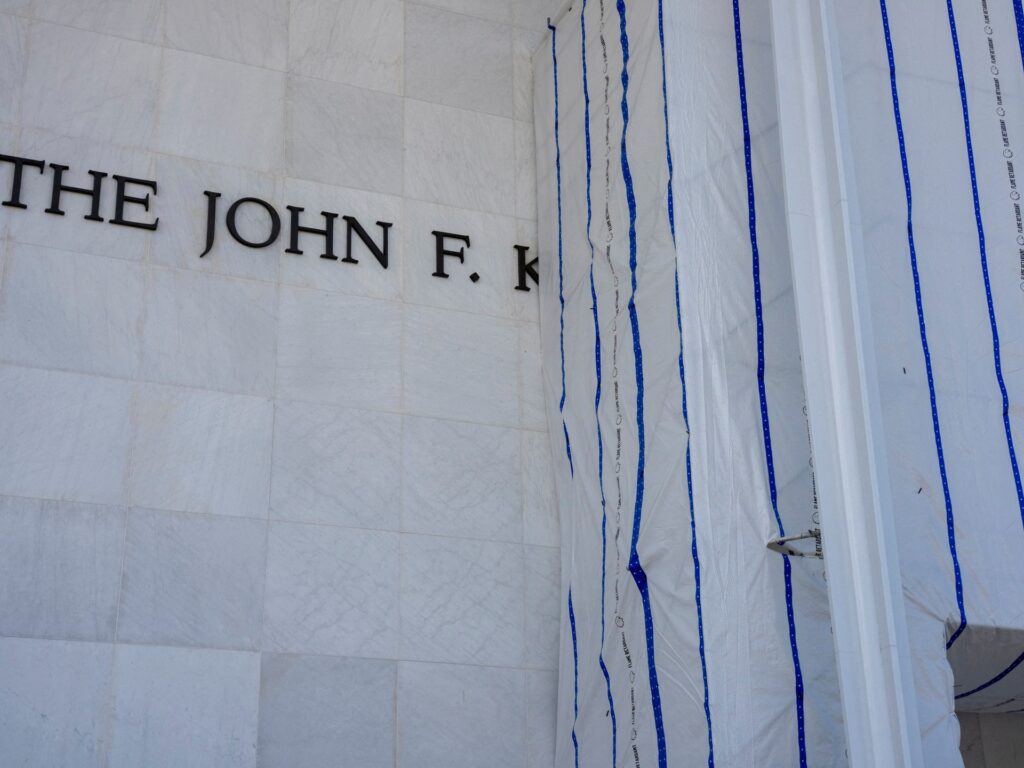
A historic venue hits the fiscal wall
The John F. Kennedy Center for the Performing Arts, a cornerstone of Washington, D.C.’s cultural scene since 1971, is now staring at the prospect of bankruptcy. The centre, which receives a mix of federal funding, private donations and ticket revenue, has seen its operating deficit swell to more than $300 million, according to the Washington Post’s latest report.
The financial strain is not new. Over the past five years, the Kennedy Center’s budget has been squeezed by rising maintenance costs for its iconic 2,400‑seat Concert Hall, declining corporate sponsorships, and a post‑pandemic dip in ticket sales. While the institution has tapped emergency reserves and launched fundraising drives, those measures have only postponed a deeper cash‑flow crisis.
Board of trustees calls for an immediate shutdown
In a surprise vote last week, the Kennedy Center’s board of trustees recommended that the main performance building be closed “effective immediately” to halt further spending. The recommendation, detailed in a confidential board memo obtained by the Washington Post, cites unsustainable utility bills, escalating renovation costs, and a shortfall in anticipated donor pledges.
The board’s proposal does not call for a full liquidation of the centre’s assets; rather, it suggests a phased shutdown of the flagship hall while keeping smaller venues and community programs running on a reduced scale. Sources close to the decision say the trustees hope the drastic step will force federal and private stakeholders to intervene with fresh capital.
Why the crisis matters for America’s cultural ecosystem
The Kennedy Center is more than a concert venue; it serves as the nation’s official cultural ambassador, hosting everything from ballet premieres to diplomatic receptions. Its possible closure would leave a void in the capital’s arts calendar, forcing touring companies to seek alternative stages and potentially reducing the visibility of U.S. artists on the world stage.
Beyond the marquee events, the centre runs extensive education and outreach programs that serve over 500,000 students annually, many from low‑income backgrounds. A shutdown of the main hall would jeopardise these initiatives, threatening a pipeline of future performers, technicians and arts administrators who rely on the Kennedy Center’s training facilities.
African artists, diaspora audiences and the knock‑on effect
For African performers and the diaspora community, the Kennedy Center has long been a coveted platform. In the past decade, the venue has showcased Nigerian playwrights, Ghanaian dance troupes, and South African jazz ensembles, often serving as a springboard to wider U.S. tours. A closure would strip away a high‑profile stage that validates African cultural production in the eyes of American funders and audiences.
The centre’s education arm also runs a yearly “African Arts Residency” that brings emerging creators from Lagos, Nairobi and Accra to work with U.S. mentors. If the main hall shutters, the residency could lose funding or be relocated to less equipped facilities, diminishing the exchange that fuels cross‑continental collaborations.
What could happen next – possible rescue routes
Experts say the Kennedy Center faces three plausible paths: a federal bailout, a private‑sector rescue, or a structured wind‑down. A congressional appropriations bill earmarking an emergency $150 million grant, similar to the 2020 arts relief package, could keep the main hall open while a long‑term financial plan is drafted.
Alternatively, a consortium of philanthropic foundations—some with a focus on African arts—might step in with targeted donations, leveraging the centre’s diaspora programming as a selling point. Such a model would mirror recent rescue efforts for European theatres that tied funding to diversity and inclusion metrics.
If neither route materialises, the board’s shutdown plan could go into effect within months, forcing the Kennedy Center to pivot to a “micro‑venue” model. While this would preserve some community work, the loss of a world‑class performance space would likely accelerate the migration of high‑budget productions to private arenas in New York or Los Angeles.
Quick Answers
What caused the Kennedy Center's financial crisis?
Rising maintenance costs, reduced corporate sponsorships and a post‑pandemic decline in ticket sales pushed the centre’s deficit beyond $300 million.
How would a closure affect African artists?
It would eliminate a major U.S. platform for African performances and jeopardise residency programs that connect African creators with American mentors.
Is a federal bailout possible?
Congress could allocate emergency funds, similar to the 2020 arts relief package, but no formal proposal has been announced yet.
Source: www.aljazeera.com




💬 Comments 0