Kherson temporary ceasefire 2026 offers brief peace, but threatens African grain supply
Background: Kherson’s strategic importance in the Russia‑Ukraine war
Since its capture by Russian forces in early 2022, the southern Ukrainian city of Kherson has been a flashpoint for some of the conflict’s fiercest battles. The city sits on the Dnipro River, a vital artery for Ukraine’s agricultural export routes, and its recapture by Ukrainian troops in November 2022 marked a symbolic win for Kyiv. However, the area has remained contested, with artillery exchanges and missile strikes disrupting civilian life on a daily basis.
The war’s broader dynamics have turned Kherson into a bargaining chip. Russia has used the city’s proximity to the Black Sea to threaten blockades of grain shipments, while Ukraine has leveraged the region’s agricultural output as leverage in diplomatic talks. Over the past four years, ceasefires in Kherson have been short‑lived, typically breaking down within days as both sides accuse the other of violating the terms.
What the 2024‑2025 temporary truce looks like on the ground
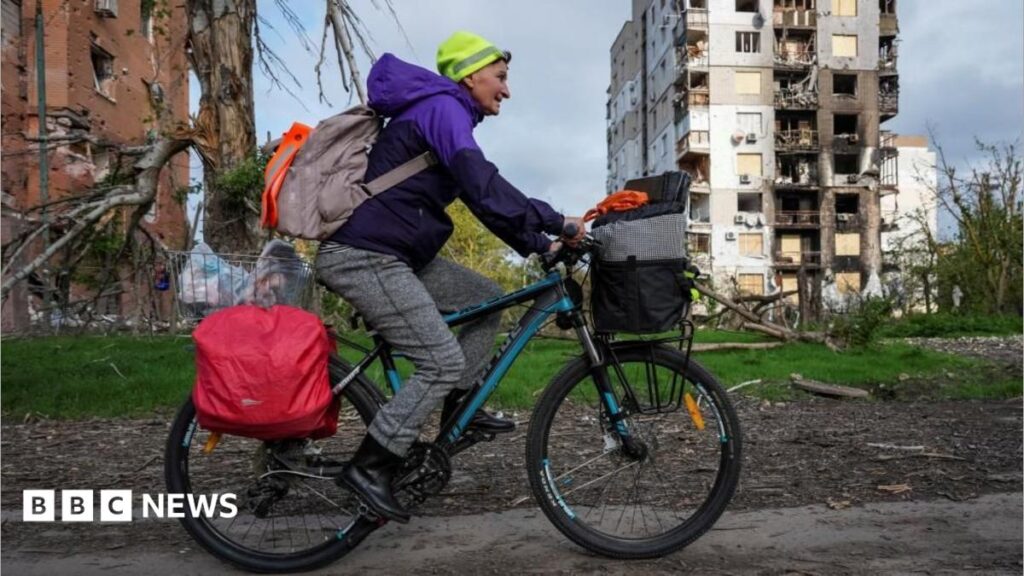
On 28 October 2026, a six‑hour ceasefire was negotiated through a back‑channel mediated by the United Nations and a coalition of European NGOs. The pause allowed humanitarian convoys to enter the city’s main market, power crews to repair damaged transformers, and residents to step out onto streets that have been scarred by shelling for years.
Local witnesses described a surreal scene: children playing soccer near the riverbank, shopkeepers reopening stalls, and the hum of generators that had been silent for weeks. Yet the calm was fragile; both Ukrainian and Russian soldiers remained on high alert, and the ceasefire was set to expire at midnight, with no guarantee of renewal.
Why the ceasefire matters for Africa: grain, food security and price volatility
Ukraine supplies roughly 20 % of the world’s wheat, corn and sunflower oil, and about a third of Africa’s grain imports come from Ukrainian ports. The International Food Policy Research Institute estimates that a single week of disruption in Ukrainian exports can push staple food prices across sub‑Saharan Africa up by 5‑7 %. A temporary lull in Kherson, however, does not automatically translate into more grain reaching African markets; it merely creates a narrow window for trucks to move through a still‑dangerous corridor.
African governments and NGOs have been monitoring the Kherson ceasefire closely. According to a statement from the African Union’s Food Security Committee, the brief pause offers “a critical, albeit limited, chance to unblock logistics that feed millions in Lagos, Nairobi and Kinshasa.” Yet the committee also warned that if fighting resumes, the resulting bottlenecks could exacerbate the 2024‑2025 food crisis that has already left over 30 million Africans in acute need of assistance.
Reactions from Kyiv, Moscow and African stakeholders
Ukrainian President Volodymyr Zelenskyy hailed the ceasefire as a humanitarian win but cautioned that “lasting peace will only come when Russia withdraws its forces from all occupied territories.” Ukrainian military officials, speaking to Kyiv‑based outlet Ukrinform, said the pause would be used to evacuate wounded civilians and to stockpile ammunition for the next phase of the counter‑offensive.
Russian defence ministry spokesperson Colonel Sergei Surovikin, quoted by RT, described the truce as a “humanitarian gesture” but insisted that Russian forces would resume operations to “protect the security of the Russian‑occupied territories.” The statement hinted that any future ceasefires would be contingent on guarantees that Ukraine would not use the lull to regroup.
African embassies in Kyiv, notably those of Nigeria and Kenya, issued joint communiqués urging both sides to extend the pause and to allow a humanitarian corridor for grain trucks. Diaspora organisations, such as the Nigerian‑Ukrainian Business Council, warned that prolonged instability could force European grain traders to look for alternative, more expensive sources, pushing up food bills for African consumers.
What’s next: prospects for a longer truce and its ripple effects
Analysts say the six‑hour ceasefire is unlikely to evolve into a sustained de‑escalation without external pressure. The European Union’s recent proposal for a “grain corridor” linking Ukrainian farms to Black Sea ports depends on a stable security environment in Kherson and the surrounding oblast. If Moscow rejects the corridor, African nations may face a second‑hand shock to their food‑security calculations.
On the diplomatic front, the United Nations is preparing a “Kherson summit” in early November, inviting representatives from Ukraine, Russia, the EU, and a rotating group of African states. The aim is to negotiate a longer humanitarian pause that could be linked to the release of Ukrainian grain stored in inland depots. Success would not only ease the immediate suffering of Kherson’s residents but could also stabilize global grain markets, easing the price pressure on African households.
For the diaspora, the ceasefire reignites conversations about long‑term support for Ukrainian refugees in Africa. Several NGOs in South Africa and Ghana have begun fundraising drives to provide shelter and medical aid to Ukrainians who have fled the front lines, underscoring how the conflict’s reverberations are already felt far beyond Europe.
Quick Answers
How does the Kherson ceasefire affect African food imports?
The brief pause may allow some grain trucks to move, but any resumption of fighting can delay shipments, raising food prices across Africa.
Will the temporary ceasefire lead to a longer peace in Kherson?
Experts say it is unlikely without diplomatic pressure; a longer truce is tied to broader negotiations on a grain corridor and security guarantees.
What role are African countries playing in the Kherson negotiations?
African nations, through the AU and individual embassies, are urging both sides to extend the lull and are preparing to attend a UN‑led summit to discuss a humanitarian corridor.
Source: www.bbc.co.uk




💬 Comments 0