Kyiv building collapse 2026: search for missing after Russian strike, Africa food impact
The human toll in Kyiv region
On November 21, 2026, a residential block in the Kyiv outskirts crumbled after a Russian missile hit the building’s lower floors. Emergency crews pulled out rubble for hours, uncovering twisted metal and shattered glass, while dozens of families waited anxiously for news of loved ones trapped inside.
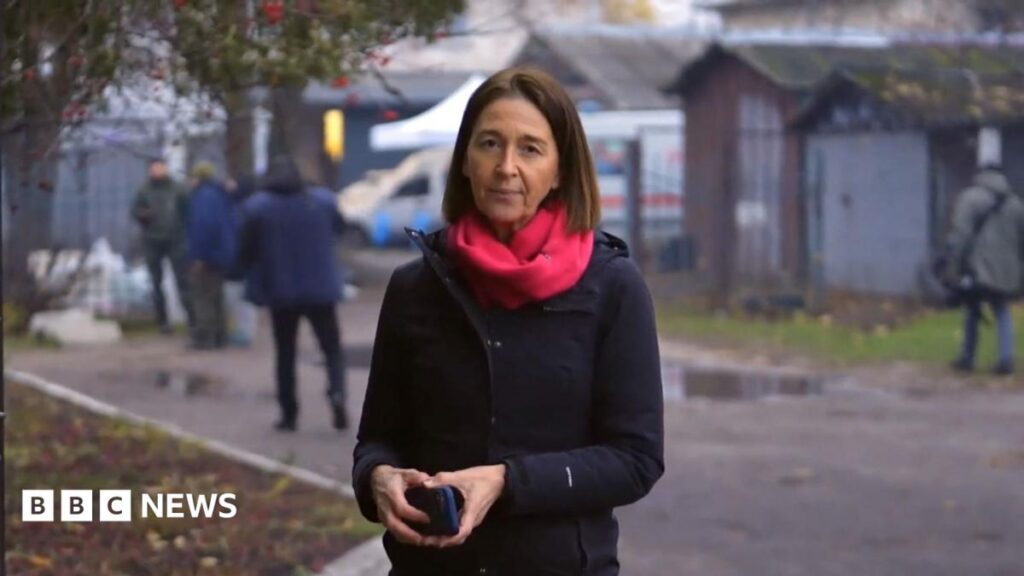
Local residents described the scene as “a nightmare that keeps getting worse,” echoing the BBC reporter Sarah Rainsford’s observation that “danger seems greater all the time.” Survivors who managed to escape recounted how the blast ripped through walls, leaving corridors filled with smoke and the cries of children still echoing in the debris.
Authorities have confirmed at least 12 fatalities and more than 30 people are still unaccounted for, according to Kyiv’s municipal emergency office. The numbers are likely to rise as rescue teams continue to sift through the wreckage, a grim reminder that the conflict’s civilian cost remains starkly visible.
Why the attacks keep escalating
Analysts say the latest strike is part of a broader Russian strategy to pressure Ukraine’s capital ahead of upcoming peace talks scheduled for early 2027. By targeting densely populated suburbs, Moscow aims to erode public morale and force Kyiv into concessions, a tactic noted by the Institute for Strategic Studies in Kyiv.
The timing also coincides with a slowdown in Russian ammunition supplies, prompting a shift toward “precision strikes” on civilian infrastructure to maximize psychological impact. Experts from the European Centre for Conflict Prevention argue that such attacks are designed to stretch Ukraine’s emergency response capacities thin, making it harder for the government to protect its citizens.
International condemnation has been swift, but concrete actions remain limited. The United Nations has called for an immediate cease‑fire, while NATO members have pledged additional defensive aid, yet no decisive diplomatic breakthrough has materialised.
Ripple effects for African food security
Ukraine and Russia together supply roughly 30% of the world’s wheat and 40% of its fertilizer, making any disruption in the Black Sea corridor a direct threat to African food markets. The collapse of the Kyiv building, while a local tragedy, underscores the wider instability that threatens grain shipments bound for North Africa and the Sahel.
Since the war began, several African countries have reported rising bread prices and dwindling stockpiles of fertilizer, prompting governments in Kenya, Nigeria and Ethiopia to seek alternative suppliers. According to the African Development Bank, the conflict has already added an estimated $3 billion to the continent’s import bill for cereals this year.
If the fighting intensifies further, the United Nations World Food Programme warns that up to 15 million more Africans could face acute food insecurity by mid‑2027. The ongoing strikes on Ukrainian infrastructure thus have a cascading effect that reaches far beyond Europe’s borders.
Voices from the African diaspora
A growing number of African students and workers have been living in Ukraine for education and employment. Nigerian engineering student Chinedu Okafor, who was studying in Kyiv, said his family in Lagos has been “living in constant dread” since the attacks, fearing for his safety and the safety of other African nationals caught in the crossfire.
Community groups in Warsaw and Kyiv have organised emergency helplines for African citizens, offering translation services and assistance with evacuation paperwork. Representatives from the Ghanaian embassy in Kyiv reported that they have been fielding an unprecedented surge of consular requests, a trend mirrored by South African and Ugandan diplomatic missions.
These diaspora voices highlight a dimension often omitted from Western coverage: the personal toll on African families and the logistical challenges of repatriating citizens from a war zone. Their stories add a human layer to the geopolitical calculations that dominate headlines.
What comes next for Ukraine and its global partners
In the immediate term, Kyiv is likely to request additional humanitarian corridors to allow rescue teams and medical aid to operate without interference. The Ukrainian government has already appealed to the European Union for a rapid deployment of mobile field hospitals, a move that could ease the strain on local health facilities overwhelmed by the influx of casualties.
Long‑term, the incident may accelerate diplomatic pressure on Russia to observe a humanitarian pause, especially if African nations collectively raise the issue at upcoming UN Food Security conferences. The continent’s reliance on Ukrainian grain gives African states a lever that could reshape negotiations in ways not previously considered.
For the international community, the tragedy serves as a stark reminder that any escalation in Ukraine reverberates across supply chains, migration patterns, and food stability worldwide. Monitoring the response to the Kyiv collapse will therefore be crucial for policymakers seeking to balance security objectives with the broader humanitarian fallout.
Quick Answers
How many people are still missing after the Kyiv building collapse?
Officials say more than 30 residents remain unaccounted for as rescue teams continue searching through the rubble.
Why does the Ukraine war affect food prices in Africa?
Ukraine and Russia are major exporters of wheat and fertilizer; disruptions to their output raise global grain costs, hitting African import‑dependent markets.
Are African students in Ukraine being helped after recent strikes?
African embassies in Kyiv have set up emergency hotlines and are coordinating evacuation assistance for students and workers caught in the conflict.
Source: www.bbc.co.uk




💬 Comments 0