Lagos Governor Sanwo-Olu orders arrests after Festac-Alakija Bridge vandalism, 2026
The bridge’s role in Lagos’s mobility puzzle
Spanning the Lagos Lagoon, the Festac‑Alakija Bridge links the densely populated Festac area with the commercial hub of Alakija, cutting travel time for over 200,000 daily commuters. Completed in 2022 as part of the state’s ambitious road‑network upgrade, the structure carries both private vehicles and a dedicated bus lane that feeds the Lagos Bus Rapid Transit (BRT) system. Its strategic position makes it a linchpin for the city’s effort to de‑congest notorious traffic corridors.
Beyond easing commuter flow, the bridge is a revenue generator for the state through toll collections and ancillary commercial activity at its entry points. Small‑scale traders, transport unions, and ride‑hailing operators all depend on the steady stream of passengers crossing the waterway. Any disruption therefore reverberates through a micro‑economy that sustains thousands of informal jobs.
In the broader African context, Lagos’s infrastructure projects are often showcased as proof that megacities can modernise despite fiscal constraints. The Festac‑Alakija span is frequently cited in regional development forums as a model of public‑private partnership execution, making its integrity a matter of pride for both the state and the continent’s urban planners.
Inside the night of destruction: details of the vandalism
Late on the night of July 31, 2026, unidentified individuals allegedly used heavy‑duty tools to pry off sections of the bridge’s steel railing and smash a concrete slab that supports the BRT lane. Surveillance footage released by the Lagos State Police shows a small group moving swiftly, leaving behind graffiti that read “No tax, no road.” The damage, according to the Office of Infrastructure’s post‑incident report, compromises structural integrity and will require an estimated ₦2.4 billion (about $3.2 million) for repairs.
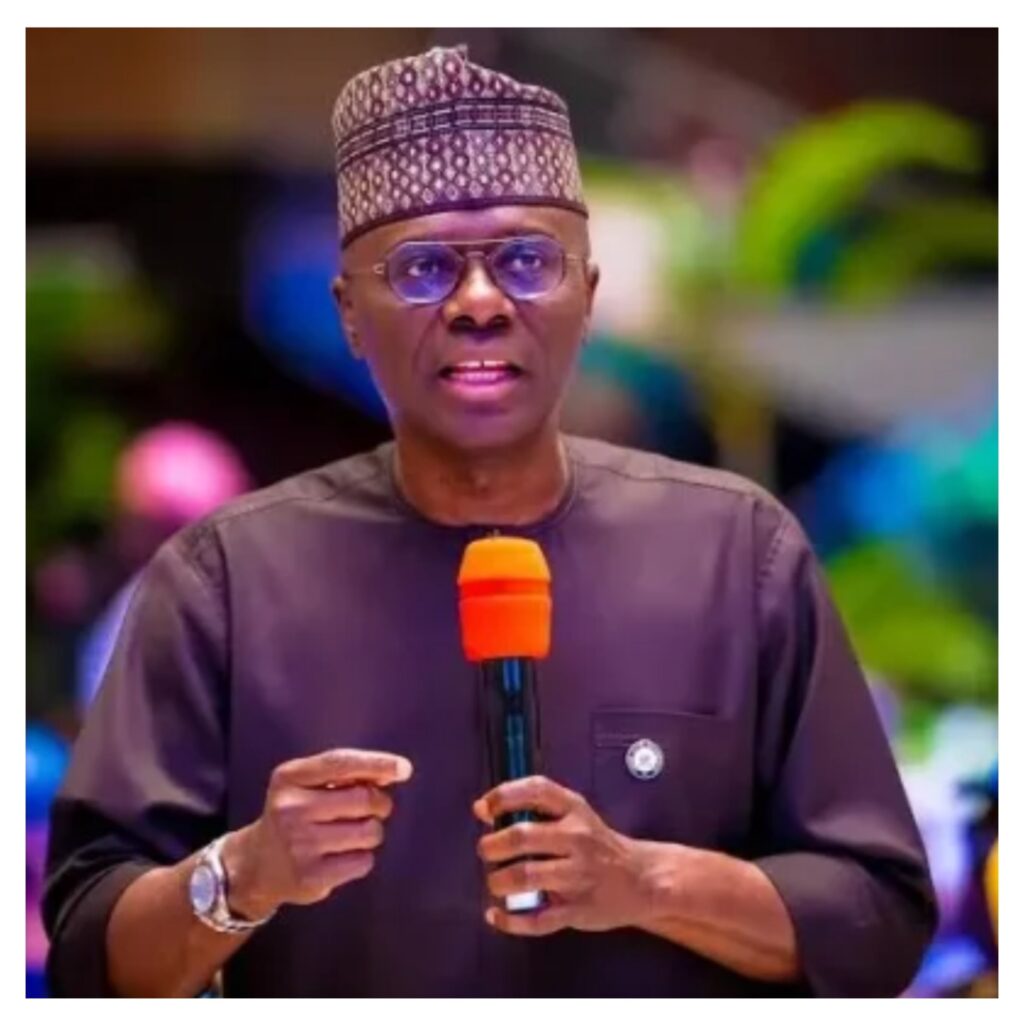
Governor Babajide Sanwo‑Olu described the act as “criminal, barbaric and unacceptable” during a press briefing on August 2, emphasizing that the state will pursue the perpetrators with the full force of the law. He ordered the Lagos State Command of the Nigerian Police Force, the Rapid Response Squad, and the State Security Service to coordinate a joint operation aimed at locating and arresting those responsible within 48 hours.
The governor’s declaration was echoed by the Lagos State Ministry of Works, which warned that any attempt to repeat such sabotage would trigger “zero‑tolerance” measures, including the deployment of CCTV drones and increased patrols along all major bridges. While officials have not publicly identified suspects, sources close to the investigation claim that the vandals may be linked to a local protest group opposed to recent toll hikes.
Economic and social ripple effects of targeting public works
Immediate economic fallout includes a projected loss of ₦1.1 billion in toll revenue for the next quarter, according to a statement from the Lagos State Toll Authority. The temporary closure of the BRT lane forces commuters to revert to private cars or informal minibusses, inflating travel costs and lengthening commute times by an average of 27 minutes per trip, according to a commuter survey conducted by the Lagos Chamber of Commerce.
For Lagos’s informal sector, the bridge’s downtime means reduced foot traffic for market stalls and food vendors that operate at the bridge’s entry points. Many of these traders are women who rely on the steady flow of passengers for daily earnings; a brief disruption can translate into lost income that pushes households below the poverty line, a concern highlighted by the National Bureau of Statistics in its latest urban poverty brief.
On a macro level, repeated attacks on high‑profile infrastructure erode investor confidence. International development agencies such as the World Bank have warned that “security of public assets is a prerequisite for sustained capital inflow.” The vandalism therefore risks jeopardising upcoming financing rounds for Lagos’s broader transport master plan, which includes the planned expansion of the city’s Light Rail network.
Vandalism as a symptom of larger infrastructure insecurity in Nigeria
The Festac‑Alakija incident is not an isolated case. In the past two years, Nigeria has recorded a surge in attacks on pipelines, power substations, and even newly built railway tracks. A 2025 report by the Nigerian Institute of Policy and Strategic Studies linked the rise to a combination of youth unemployment, perceived marginalisation, and the politicisation of tax policies.
Experts note that the tactics used on the bridge—quick, low‑tech demolition followed by a symbolic message—mirror those employed by groups sabotaging oil pipelines in the Niger Delta. The common denominator is a sense of grievance against what is viewed as “elite‑driven” development projects that do not directly benefit local communities, a narrative that circulates heavily on social media platforms popular among Nigerian youths.
Diaspora observers have drawn parallels with infrastructure attacks in other African megacities, such as the 2024 demolition of a bridge in Nairobi’s informal settlements, suggesting a regional pattern where rapid urbanisation outpaces inclusive governance. The trend underscores the need for African city planners to embed community engagement and transparent revenue‑sharing mechanisms into project design.
From arrest orders to reform: what Lagos can do next
While Governor Sanwo‑Olu’s swift arrest mandate signals a hard‑line stance, analysts argue that law enforcement alone will not curb future sabotage. A multi‑pronged approach that couples security upgrades with socio‑economic interventions is essential. The state could expand its “Community Watch” program, training local residents to monitor critical sites and report suspicious activity, a model that proved effective in reducing pipeline theft in the Niger Delta.
Financially, the Lagos government might consider a temporary toll suspension for affected commuters, coupled with a public‑consultation forum to discuss long‑term fare structures. Such a move could defuse the “tax‑against‑infrastructure” narrative that fuels resentment, while also demonstrating responsiveness to citizen concerns—a factor that often sways diaspora investors looking for stable governance.
Finally, the incident offers an opportunity to institutionalise stricter procurement and maintenance oversight. By mandating real‑time structural health monitoring sensors on bridges, Lagos can create an early‑warning system that alerts engineers to tampering before it escalates. If implemented, these measures could position Lagos as a pioneer in resilient urban infrastructure, reinforcing its status as Africa’s economic engine.
Quick Answers
What part of the Festac‑Alakija Bridge was vandalised?
Vandals damaged the steel railing and a concrete slab that supports the BRT lane, compromising the bridge’s structural integrity.
What action did Governor Sanwo‑Olu order after the bridge attack?
He ordered the Lagos State Police, Rapid Response Squad and State Security Service to arrest the perpetrators within 48 hours.
How might the bridge vandalism affect daily commuters in Lagos?
The BRT lane’s closure forces commuters onto private vehicles or minibusses, increasing travel time by about 27 minutes and raising transport costs.
Source: dailypost.ng

💬 Comments 0