Lakers Governor Jeanie Buss Blocks Family Stake Sale to Bob Iger and Joshua Kushner, 2026 Deal Stalls
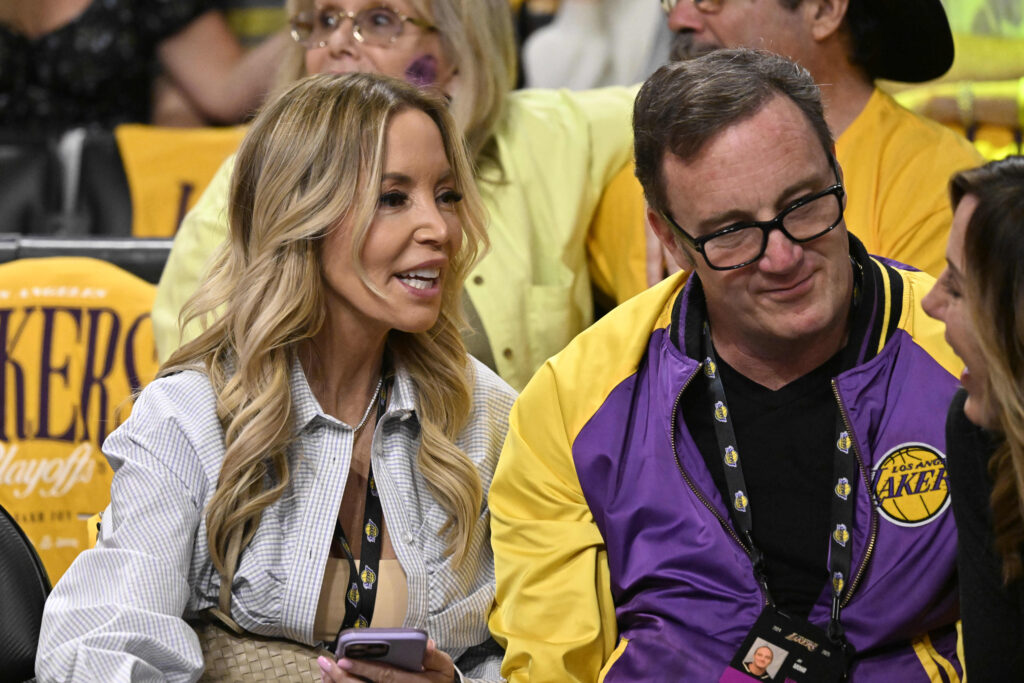
Background: The Buss Family’s Ownership Legacy
The Los Angeles Lakers have been a family‑run franchise since 1979, when Dr. Jerry Buss purchased the team and turned it into a global brand. After his death in 2013, control passed to his children—Jeanie, Jim, and Johnny—who collectively own roughly 66% of the organization through the Buss family trust.
Jeanie Buss, who serves as the team’s governor on the NBA Board of Governors, has been the public face of the franchise for more than a decade, overseeing everything from player contracts to the construction of the state‑of‑the‑art arena at the former Staples Center site. The family’s tight‑knit ownership structure has been credited with preserving the Lakers’ cultural identity while allowing for strategic partnerships.
The Proposed Sale to Iger and Kushner
In early 2026, rumors surfaced that media mogul Bob Iger, now chairman of The Walt Disney Company, and venture capitalist Joshua Kushner, co‑founder of the investment firm Thrive Capital, were courting the Buss family for a minority stake in the Lakers. Sources close to the negotiations said the deal could have fetched a valuation north of $5 billion, making it one of the most expensive franchise transactions in NBA history.
According to a filing with the NBA, any sale of a controlling interest would require approval from a majority of the league’s owners. The proposed partnership promised synergies such as expanded streaming rights, cross‑promotion with Disney’s sports networks, and a potential pipeline for tech‑driven fan experiences spearheaded by Kushner’s portfolio companies.
Why Jeanie Buss Said No – Legal and Strategic Reasons
Jeanie Buss’s legal team issued a statement in mid‑July that the family had not signed any agreement to sell a stake, and that any internal vote suggesting a sale “would be and is void.” The counsel cited the family trust’s governing documents, which require unanimous consent from all three siblings for any equity transfer that would dilute their collective control.
Strategically, Buss has warned that a partnership with Disney and a venture‑capital firm could shift the Lakers away from their community‑first philosophy. In an interview with ESPN, she emphasized the importance of keeping the franchise’s decision‑making “in the hands of those who grew up in the locker room, not in a boardroom across the country.”
Implications for the NBA’s Global Expansion, Especially in Africa
The Lakers are a marquee brand in the NBA’s push into Africa, where the league has launched NBA Africa, the Basketball Africa League (BAL), and a slate of youth development programs. A change in ownership that brings Disney’s massive media engine could accelerate the rollout of African‑focused content, but it could also prioritize commercial returns over grassroots development.
African investors have been eyeing NBA franchises as a way to tap into the continent’s exploding basketball market. In 2024, a consortium led by South African businessman Patrice Motsepe acquired a minority stake in the Miami Heat, signaling a growing appetite for NBA equity among African capital. If the Lakers had sold a stake to Iger and Kushner, it might have opened the door for similar African‑led partnerships, but Buss’s refusal keeps the current family structure intact, preserving the existing African‑focused outreach programs that were personally championed by the Buss siblings.
What Comes Next – Potential Paths for the Lakers and Their Stakeholders
With the sale off the table, the Lakers are likely to continue leveraging their existing media contracts, which include a lucrative local TV deal with Spectrum SportsNet and a growing digital presence on Disney‑owned platforms through a separate licensing agreement. Analysts at Bloomberg predict that the team’s valuation will keep rising, driven by the NBA’s expanding international footprint and the Lakers’ brand equity.
For the broader NBA ecosystem, the episode underscores the delicate balance between traditional family ownership and the influx of corporate capital. The league’s owners are watching closely, as any precedent set by the Lakers could influence future bids from tech giants, media conglomerates, or sovereign wealth funds—some of which hail from Africa’s oil‑rich nations. The next NBA Board of Governors meeting, slated for October 2026, will likely feature discussions on ownership transparency and the impact of foreign investment on league governance.
Quick Answers
Did the Buss family agree to sell a stake in the Lakers to Bob Iger and Joshua Kushner?
No, Jeanie Buss’s lawyer confirmed the family has not signed any agreement and any vote suggesting a sale is void.
How could a sale to Disney and Kushner have affected the Lakers’ involvement in Africa?
It might have accelerated African‑focused media content but could also have shifted priorities away from the community‑based programs the Buss family supports.
What does the failed deal mean for future foreign investment in NBA teams?
It signals that existing family‑owned franchises may resist corporate takeovers, prompting potential investors to look for minority stakes or partnerships instead.
Source: www.cnbc.com




💬 Comments 0