Lamine Yamal ankle injury sidelines Barcelona star for Champions League clash with Sabah in Azerbaijan, 2026
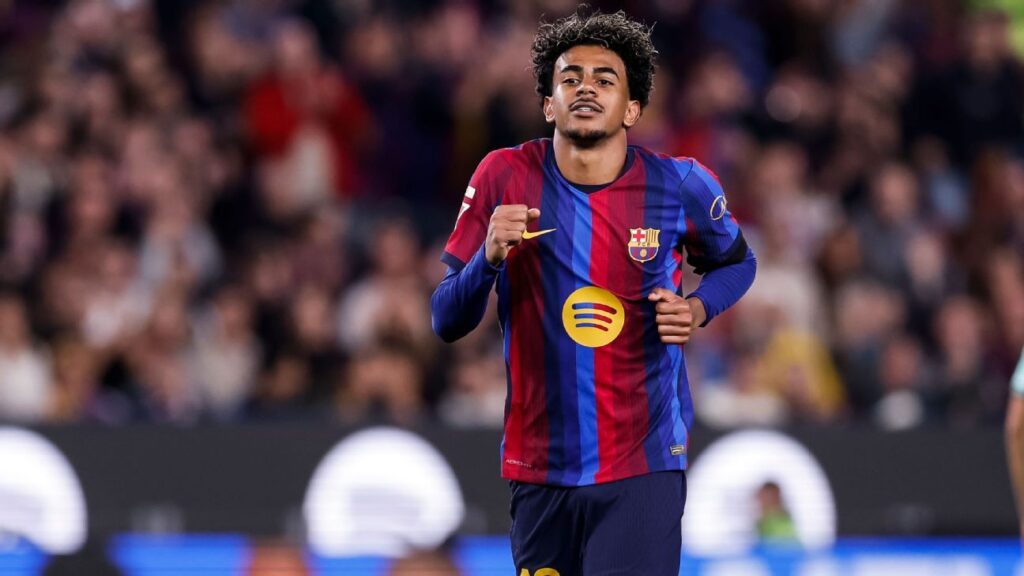
Who is Lamine Yamal and why his rise matters
At just 17, Lamine Yamal has become one of the most talked‑about talents in world football. The left‑wing prodigy broke into Barcelona’s first team last season, scoring his first senior goal in La Liga and earning a spot on the Spain U‑21 squad. Beyond his on‑field exploits, Yamal carries a cultural significance: he was born in Spain to parents who emigrated from Guinea‑Bissau, making him a visible figure for the African diaspora across Europe and the continent.
Yamal’s rapid ascent reflects the success of Barcelona’s famed La Masia academy, which has historically produced global icons such as Lionel Messi and Andrés Iniesta. The club has invested heavily in scouting and nurturing talent from under‑represented backgrounds, and Yamal’s emergence signals that this strategy is still bearing fruit. For African‑born fans and aspiring players, his presence on the world stage offers a tangible example of how talent can cross borders and break barriers.
The winger’s market value has already surged, with transfer rumours linking him to top clubs in England and Italy despite his long‑term contract with Barcelona. His brand endorsements, including a recent deal with a sportswear giant targeting African markets, illustrate how his image is being leveraged to tap into a growing consumer base that sees football as a cultural connector.
The ankle injury and its immediate impact on the Sabah tie
Barcelona confirmed on Tuesday that Yamal will miss the upcoming Champions League group‑stage match against Sabah FC in Baku due to an ankle sprain sustained during a training drill. The injury, described by the club’s medical staff as a Grade‑2 ligament strain, is expected to keep the youngster out for at least two weeks, according to the official statement.
Sabah, a relatively new entrant to the competition, had been preparing to face a Barcelona side that would be missing one of its most dynamic attacking options. Coach Xavi Hernández, who has relied on Yamal’s pace and creativity to stretch defenses, will have to adjust his tactical plan, likely turning to veteran forwards such as Robert Lewandowski or the newly signed Brazilian winger, Gabriel Veron, to fill the void.
While Barcelona still boasts a deep squad, the loss of Yamal’s unpredictable dribbling could affect the team’s ability to break down a disciplined Sabah defense that has been praised for its compact shape. Early betting odds shifted slightly in Sabah’s favour after the news broke, reflecting how even a single injury can sway market perceptions in high‑stakes European football.
Why the absence matters beyond the pitch
Yamal’s injury is more than a tactical inconvenience; it touches on broader conversations about player welfare and representation. African‑descent players often face heightened scrutiny over their physical durability, a narrative that can influence contract negotiations and media coverage. Missing a high‑profile match like a Champions League game risks reinforcing outdated stereotypes about African athletes being prone to injury.
For the African diaspora in Spain and across Europe, Yamal’s visibility serves as a source of pride and inspiration. Community groups have organized viewing parties and social‑media campaigns celebrating his achievements, and his absence will be felt not only by Barcelona supporters but also by fans who see his success as a reflection of their own journeys. In Nigeria, Ghana, and Senegal, sports blogs have highlighted his heritage, using his story to discuss broader issues of migration, identity, and inclusion in elite sport.
Commercially, Yamal’s brand partnerships target emerging markets in West Africa, where football drives consumer behaviour. A missed appearance on a UEFA Champions League broadcast could temporarily dampen the exposure of those campaigns, prompting sponsors to recalibrate their activation calendars. This illustrates how a single player’s fitness can ripple through advertising ecosystems that depend on live sporting moments.
A broader trend: young African‑heritage stars shaping European clubs
Yamal is part of a growing cohort of players with African roots who are redefining the talent pipeline in Europe. From Jude Bellingham’s Nigerian lineage to England’s Bukayo Saka, clubs are increasingly scouting in African communities and diaspora networks. This shift is driven by both sporting merit and the commercial allure of tapping into passionate fan bases across the continent.
European clubs are also rethinking injury management for these prospects. After high‑profile setbacks involving players like Victor Osimhen and Mohamed Salah, medical departments have adopted more individualized recovery protocols, integrating sports science expertise from African sports institutes. Barcelona’s decision to rest Yamal rather than rush him back aligns with this evolving approach, acknowledging the long‑term value of protecting a player’s development trajectory.
The trend extends to youth tournaments, where African nations are producing technically gifted players who later join elite academies. The success of the 2025 U‑20 African Cup, where several participants secured contracts with La Liga and Premier League clubs, underscores a pipeline that will continue to feed clubs like Barcelona. Yamal’s story, therefore, is both a symptom and a catalyst of this deeper structural change.
What’s next for Yamal and Barcelona’s Champions League campaign
Medical reports suggest Yamal should be fit to return before Barcelona’s next group match against Shakhtar Donetsk in early December. In the interim, the club’s focus will shift to maintaining squad rotation and preserving morale. Xavi is expected to give more minutes to other academy graduates, such as Alejandro Balde, to preserve the developmental ethos that Barcelona champions.
From a strategic perspective, Barcelona’s chances of progressing from the group hinge on securing points against Sabah and the remaining fixtures. The team’s depth allows them to absorb Yamal’s short‑term loss, but the club will likely monitor his rehabilitation closely to avoid a relapse, especially given the congested schedule that includes domestic cup commitments.
For Yamal, the injury could serve as a learning moment. In past interviews, he has spoken about the importance of mental resilience and the influence of his family’s journey from Guinea‑Bissau to Spain. Fans and analysts alike will be watching his comeback, not just for his on‑field contributions but also for the symbolic message that perseverance can overcome setbacks—a narrative that resonates strongly with African communities worldwide.
Quick Answers
When will Lamine Yamal be back for Barcelona?
Barcelona’s medical team expects Yamal to recover within two weeks, aiming for his return before the group match against Shakhtar Donetsk in early December.
How does Yamal’s injury affect Barcelona’s Champions League prospects?
While the squad is deep, missing Yamal’s creativity could make it harder to break down disciplined defenses like Sabah’s, potentially influencing the group‑stage points tally.
Why is Lamine Yamal important for African diaspora fans?
Born to Guinean‑Bissau parents, Yamal represents a success story for the African diaspora, offering visibility and inspiration for young players across the continent.
Source: www.espn.com




💬 Comments 0