Mourinho backs Vinícius Jr to shine as Real Madrid eye PSV clash in 2026 Champions League
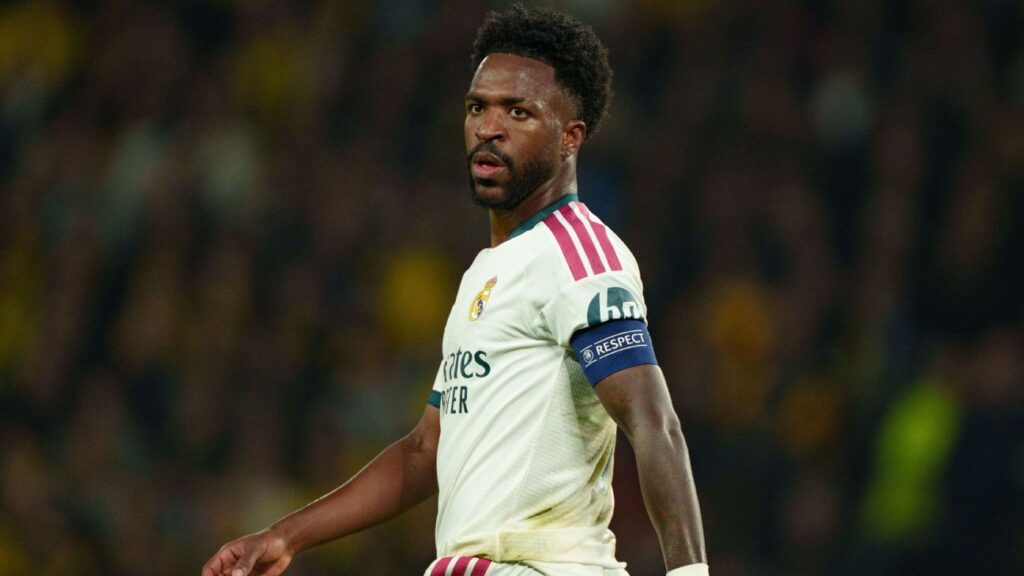
Background: Mourinho’s second stint and Vinícius’s rise
When José Mourinho returned to the Santiago Bernabéu in the summer of 2024, he inherited a squad that had already secured a domestic double but was still searching for a clear identity in Europe. The Portuguese tactician, famed for his pragmatic approach, quickly imposed a more compact defensive shape while still encouraging his attacking talent to express themselves. By the start of the 2026‑27 season, Real Madrid were sitting second in La Liga, trailing Barcelona by just two points, and the Champions League group stage loomed as the decisive test of Mourinho’s project.
Vinícius Júnior, the 24‑year‑old Brazilian winger, has been the focal point of Real’s attacking play since his breakthrough in 2021. After a season hampered by injuries and a dip in goal output, the 2025‑26 campaign saw him regain confidence, finishing with 12 goals and eight assists in all competitions. His pace, dribbling, and increasingly refined finishing have made him a fan favourite not only in Spain but across the African continent, where Brazilian football icons enjoy a massive following.
The upcoming group‑stage match against PSV Eindhoven in Eindhoven on November 30, 2026, is a litmus test for Mourinho’s philosophy. PSV, a disciplined Dutch side, have already caused upsets in the competition, and their compact midfield could neutralise Madrid’s creative midfielders. The fixture therefore offers a chance for Mourinho to showcase a collective performance rather than relying solely on individual brilliance.
What Mourinho Said: A Shift from MVP to Team‑First Narrative
After a light training session on Tuesday, Mourinho addressed the media and said, “Vinícius does not have to be the MVP to deliver. What matters is that the team works as a unit and that he contributes in the way we need him to.” The comment was delivered in a measured tone, signalling that the manager wants to protect his star from the pressure of being the sole match‑winner while still expecting him to fulfill his role effectively.
Mourinho’s remarks came after a tactical meeting where he outlined a plan to use Vinícius more as a wide outlet rather than a central goal‑scorer. According to the club’s official briefing, the Portuguese will likely deploy a 4‑3‑3 with Vinícius on the left, allowing him to cut inside and create space for the right‑winger, while a more defensive midfielder shields the backline. This subtle shift reflects Mourinho’s belief that a balanced structure can free Vinícius to express his talent without the burden of carrying the entire attack.
The manager’s statement also hinted at a broader squad rotation strategy. Sources close to the dressing room said that Mourinho wants to rotate his front three – Vinícius, Karim Benzema and Rodrygo – depending on the opponent’s defensive shape. By doing so, he hopes to keep the players fresh for the crucial knockout rounds while avoiding over‑reliance on any single individual.
Why It Matters for Real Madrid’s European Ambitions
Real Madrid’s recent Champions League campaigns have been marked by moments of brilliance interspersed with tactical inconsistency. The club’s last three semi‑final appearances were secured by extraordinary individual performances, most notably from Benzema and Luka Modrić. Mourinho’s insistence on a team‑first approach could be the missing piece that turns those flashes of brilliance into a sustained, cohesive campaign.
From a tactical perspective, removing the MVP pressure from Vinícius may allow him to play with greater freedom. When a player is not forced to take the final shot on every occasion, he can focus on stretching defenses, delivering key passes, and creating overloads. Analysts at Opta note that Vinícius’ expected assists (xA) have risen steadily over the past year, indicating that his vision is improving even as his goal tally fluctuates.
Financially, the Champions League remains Real’s most lucrative revenue stream. Advancing to the quarter‑finals guarantees an additional €40 million in broadcasting rights, while a deeper run can push the total earnings beyond €150 million. Mourinho’s strategy, if successful, could secure that revenue and also preserve the club’s brand value, which is heavily tied to European success.
The African Connection: Fans, Markets and the Diaspora
Vinícius Júnior’s Brazilian heritage, combined with his playing style, resonates strongly with African football fans who admire flair and speed. In Nigeria, Kenya, Ghana and South Africa, his jerseys consistently rank among the top‑selling Real Madrid merchandise, according to a 2025 report by FIFA’s Global Fan Survey. A strong performance against PSV could trigger a surge in sales across the continent, boosting Real’s already significant commercial footprint in Africa.
Betting markets in several African nations, especially Kenya and Nigeria, have shown heightened activity whenever Real Madrid plays in the Champions League. A win against PSV is expected to shift odds in favour of a deeper run, prompting a wave of wagers that translate into higher tax revenues for local governments. Moreover, the match will be streamed on multiple African sports platforms, including SuperSport and Canal+ Afrique, providing a shared viewing experience that strengthens the diaspora’s connection to European football.
Beyond commerce, the narrative of a star player thriving without the MVP label mirrors the experience of many African talents who move to Europe. Young players from West and East Africa often face the “must‑be‑the‑hero” expectation from agents and fans back home. Mourinho’s public reassurance that a collective effort matters could inspire coaches in African academies to adopt a more holistic development model, focusing on teamwork rather than individual hype.
What’s Next: Tactical Outlook and the Road Ahead
If Real Madrid can execute Mourinho’s game plan against PSV, the group‑stage picture will become clearer. A win would put them at nine points, likely securing top‑spot and granting a more favourable draw in the round of 16. Conversely, a slip‑up could see them finish second, forcing a tougher opponent and increasing the risk of an early exit. The next two fixtures – against Shakhtar Donetsk and Manchester City – will test the squad’s depth and the effectiveness of the rotating front line.
Vinícius himself will be under a microscope. While Mourinho has removed the MVP pressure, the Brazilian will still be expected to contribute directly to goals or assists. A performance that includes a goal, a key pass and disciplined defensive work would validate Mourinho’s approach and cement Vinícius’s role as a versatile attacker capable of adapting to different tactical demands.
Finally, the broader narrative for Mourinho’s tenure hinges on whether he can blend his defensive rigidity with the attacking flair that defines Real Madrid. The PSV match is more than a single result; it is a barometer for the manager’s ability to manage star egos, rotate the squad, and still deliver the European success that the club’s hierarchy demands. Success could extend his contract beyond 2028, while failure may reignite speculation about another high‑profile managerial change.
Quick Answers
What did Mourinho say about Vinícius Jr's role in the upcoming PSV match?
Mourinho said Vinícius does not have to be the MVP to deliver, emphasizing that the team's collective performance matters more than individual heroics.
When does Real Madrid play PSV Eindhoven in the 2026 Champions League?
The group‑stage match is scheduled for November 30, 2026, at the Philips Stadion in Eindhoven.
How could Vinícius Jr's performance affect African fans and markets?
A strong showing can boost Real Madrid jersey sales, increase betting activity, and reinforce the player’s popularity among African audiences, influencing both commercial revenue and youth football narratives.
Source: www.espn.com



💬 Comments 0