Lamine Yamal knee injury sidelines 16‑year‑old for Spain vs Czechia 2026 Nations League
A prodigy in the making
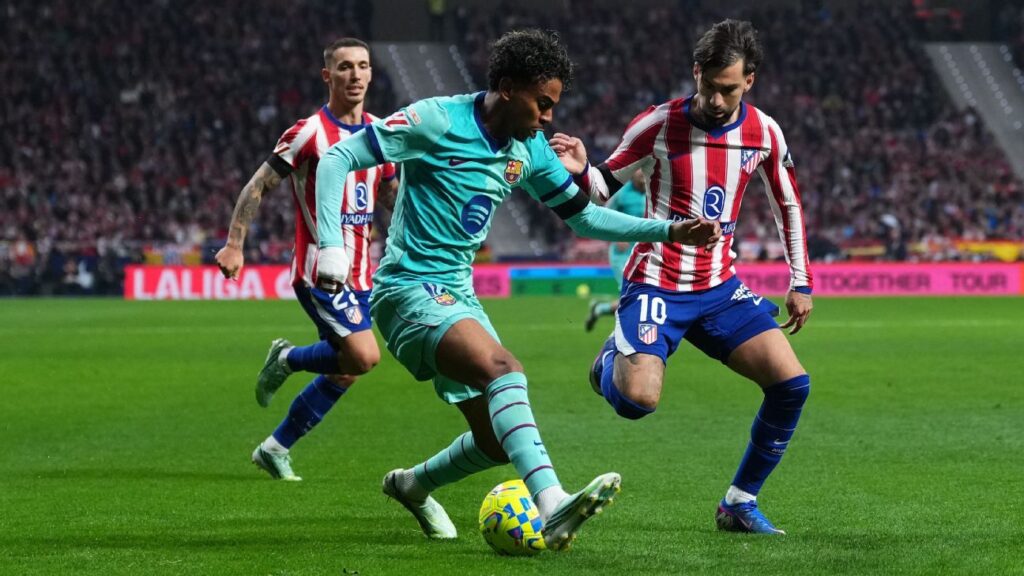
Lamine Yamal, the 16‑year‑old Barcelona winger, burst onto the scene last season when he became the youngest player to debut for the Catalan giants and the first teenager to score for Spain’s senior team. His meteoric rise has been fueled by a blend of technical flair, blistering pace and a maturity that belies his age, earning him a place in the squad for the Nations League despite still being a teenager.
Born in Esplugues de Llobregat to a Spanish father and a mother from Equatorial Guinea, Yamal carries a dual heritage that resonates with both European and African fans. His background makes him one of the few players of African descent to break through at Barcelona’s famed La Masia academy, a fact that has sparked conversations about representation and scouting pipelines across the continent.
The knee setback and immediate fallout
The Spanish Football Federation confirmed on Monday that Yamal will miss the upcoming Nations League clash with Czechia after sustaining a knee injury during training. The club’s medical staff diagnosed a minor ligament strain, meaning the youngster will be sidelined for at least two weeks, ruling him out of Thursday’s match in Seville.
Spain’s coach Luis de la Fuente is now forced to reshuffle his attacking options, likely turning to veteran Álvaro Morata or giving a chance to younger prospects like Nico Williams. The loss of Yamal’s creativity on the flank removes a key outlet that the Spaniards have relied on to stretch defenses in recent fixtures.
Why the absence matters for La Roja and Barça
Yamal’s inclusion in the senior squad was more than a symbolic gesture; he has already contributed assists and a goal in the current campaign, offering a fresh dimension that the traditional midfield core struggles to replicate. Without him, Spain may revert to a more predictable, possession‑heavy approach, which could be vulnerable against Czechia’s high‑pressing style.
For Barcelona, the injury raises questions about player workload management. The club has been navigating a congested calendar, and Yamal’s rapid promotion from the B team to first‑team duties may have accelerated wear and tear. His absence also temporarily dents a potential transfer market windfall, as clubs worldwide keep tabs on his market value.
The African diaspora angle – a role model for the continent
Yamal’s Equatorial Guinean roots give his story a resonance that extends far beyond Spain’s borders. Young footballers in Central Africa see in him a tangible pathway from local pitches to the world’s biggest stages, reinforcing the growing belief that talent from the region can thrive in elite European academies.
The injury also sparks a subtle debate about national allegiance. While Yamal has already featured for Spain’s senior side, FIFA rules still allow a switch before he plays a competitive senior tournament. Should he ever consider representing Equatorial Guinea, the nation could gain a marquee player capable of elevating its own international profile.
A broader trend: early breakthroughs and injury risk
European clubs have increasingly fast‑tracked teenage talents into senior squads, a pattern that brings both commercial upside and medical challenges. Recent cases—from England’s Jude Bellingham to Brazil’s Endrick—show that while early exposure accelerates development, it also raises the probability of overuse injuries, especially in growth‑sensitive joints like the knee.
African academies are watching these European experiments closely. Many are now adopting more cautious progression models, emphasizing strength conditioning and load monitoring to protect their own prodigies, who often lack the extensive medical infrastructure found at clubs like Barcelona.
Looking ahead – recovery and the road to Euro 2028
Medical reports suggest Yamal should be fit for training by mid‑November, with a realistic return to match action before the next international window in March 2027. De la Fuente has hinted that the youngster will be reintegrated gradually to avoid a recurrence, possibly using him as a super‑sub in low‑stakes fixtures.
If Yamal can stay healthy, his trajectory points toward a starring role in Spain’s Euro 2028 qualifying campaign and possibly the tournament itself. For Barcelona, a fully fit Yamal could become a cornerstone of a new attacking philosophy that blends home‑grown flair with seasoned experience, a formula that could reshape La Liga’s competitive balance in the coming years.
Quick Answers
When is Lamine Yamal expected to return to play?
Medical staff project a two‑week recovery, meaning he could rejoin training in mid‑November and be match‑fit before the March 2027 international window.
How does Yamal's injury affect Spain's chances against Czechia?
Spain loses a key creative outlet on the wing, forcing the coach to rely on more experienced forwards and potentially limiting the team's ability to stretch the Czech defense.
Can Yamal still switch to play for Equatorial Guinea?
Yes, under current FIFA rules he could change allegiance because he has not yet appeared in a competitive senior tournament for Spain.
Source: www.espn.com


💬 Comments 0