Lionel Messi agrees to buy Spanish second-division club Eldense in 2026
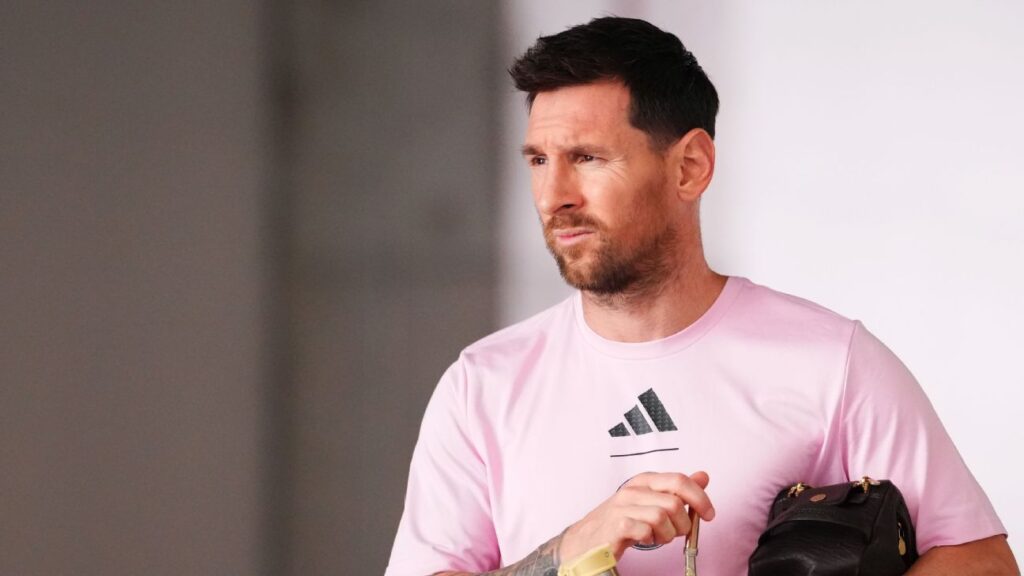
From MLS star to club owner: Messi’s next chapter
Lionel Messi’s move to Inter Miami in 2023 turned the fledgling MLS franchise into a global brand overnight. After three seasons of record attendances and a Leagues Cup triumph, the Argentine’s contract is set to expire at the end of 2026. Rather than returning to Europe as a player, Messi appears ready to stay on the business side of football, a path already trodden by former greats such as David Beckham, Ronaldinho and former teammate Andrés Iniesta. The trend reflects a broader shift where elite athletes leverage their personal brand, wealth and network to acquire clubs, often with the aim of shaping talent pipelines and expanding commercial footprints.
In recent months, Messi has been spotted meeting with Spanish football officials and visiting training grounds in the Valencian Community. According to ESPN, a source confirmed that Messi has reached a preliminary agreement to take over Eldense, a club that earned promotion to the Segunda División for the first time in its 106‑year history. While the deal is still subject to regulatory approval and final financial terms, the announcement has already sparked speculation about how the world’s most marketable player could transform a modest provincial side.
What we know about the Eldense takeover
Eldense, officially Club Deportivo Eldense, hails from the small town of Elden in the province of Alicante. The club’s promotion to Spain’s second tier last season was a fairy‑tale story, achieved on a shoestring budget and a squad of largely local players. The preliminary agreement reportedly gives Messi a controlling stake, with plans to inject capital for stadium upgrades, youth academy expansion and a modest increase in the wage bill. Sources say the Argentine’s consortium will also bring in a group of seasoned football executives to manage day‑to‑day operations, ensuring that the club’s footballing identity remains rooted in its community while adopting a more professional structure.
The Spanish football federation (RFEF) will need to certify the ownership change, and UEFA’s financial fair‑play rules will apply once Eldense aims for promotion to La Liga. Analysts note that Messi’s involvement could accelerate the club’s commercial revenue streams, from international sponsorships to merchandising that leverages his global name. However, they also caution that the jump from a small-town side to a brand‑driven enterprise carries risks, especially if expectations outpace the club’s on‑field performance.
Why African football should pay attention
Africa has long supplied talent to Spain’s top flight, but the lower divisions have historically been a blind spot for scouts from the continent. Messi’s ownership could change that dynamic. His brand attracts broadcasters and sponsors eager to tap into new markets, and a revamped Eldense academy could become a gateway for African prospects seeking a European foothold without the pressure of La Liga’s spotlight. In recent years, clubs like Granada and Almería have built scouting networks in West Africa, yet they remain limited by budget constraints. A Messi‑backed Eldense could afford to fund scouting trips to Nigeria, Ghana and Senegal, offering scholarships and a clear pathway to professional football.
Moreover, the Argentine’s involvement may inspire African investors and former players to explore similar ownership models. The recent rise of African‑owned clubs in Europe – such as the Nigerian‑backed FC Botoșani in Romania – shows a growing appetite for cross‑continental partnerships. If Eldense succeeds in creating a sustainable pipeline, it could serve as a blueprint for other lower‑tier clubs looking to harness the diaspora’s passion and financial muscle, thereby widening the ecosystem that nurtures African talent.
A ripple effect on the global football market
Messi’s purchase arrives at a moment when European football is grappling with revenue volatility and the need for fresh investment. Lower‑division clubs have struggled to attract big sponsors, relying heavily on local businesses and modest gate receipts. A high‑profile owner can unlock new broadcasting deals, especially in emerging markets such as Sub‑Saharan Africa, where Messi’s name commands enormous pull. Streaming platforms targeting African audiences could negotiate rights to broadcast Eldense matches, providing the club with a steady income stream while giving African fans another entry point into European football.
The move also adds a new layer to the rivalry between Messi and Cristiano Ronaldo, who recently announced a partnership with a Portuguese second‑division side. Both players are now testing the waters of club ownership, turning personal legacies into institutional ones. This rivalry could spark a mini‑boom of celebrity‑driven investments, prompting governing bodies to tighten ownership regulations and ensure that clubs remain financially viable beyond the glamour of a single name.
What lies ahead for Messi, Eldense and Inter Miami
If the agreement finalises, Messi will likely juggle dual responsibilities: overseeing Eldense’s strategic direction while still playing for Inter Miami until his contract ends. Sources close to the Miami front office suggest that the Argentine is already planning a knowledge‑transfer program, where coaching staff from Eldense could spend time in the United States to exchange ideas on youth development. Such collaboration could benefit both clubs, giving Inter Miami a foothold in the European talent market and offering Eldense access to American sports science resources.
Looking forward, the biggest question is whether Eldense can climb to La Liga under Messi’s stewardship. Promotion would not only validate the investment but also dramatically increase the club’s visibility across Africa and the diaspora. Even if the team remains in the Segunda División, the mere presence of Messi’s brand could elevate the league’s profile, attract higher‑quality players and create new commercial opportunities for African broadcasters, advertisers and fans eager to watch the world’s most famous footballer influence the game from the boardroom.
Quick Answers
When is Lionel Messi expected to finalize the purchase of Eldense?
The preliminary agreement was reported in September 2026, and the deal is expected to be completed before the start of the 2026‑27 Segunda División season, pending regulatory approval.
How could Messi’s ownership of Eldense affect African footballers?
A Messi‑backed Eldense could invest in scouting and academy programs in Africa, offering a clearer pathway for African players to enter European professional football.
Will Messi continue playing for Inter Miami after buying Eldense?
Yes, Messi is contracted with Inter Miami through 2026, so he is expected to finish the season before focusing full‑time on his new ownership role.
Source: www.espn.com



💬 Comments 0