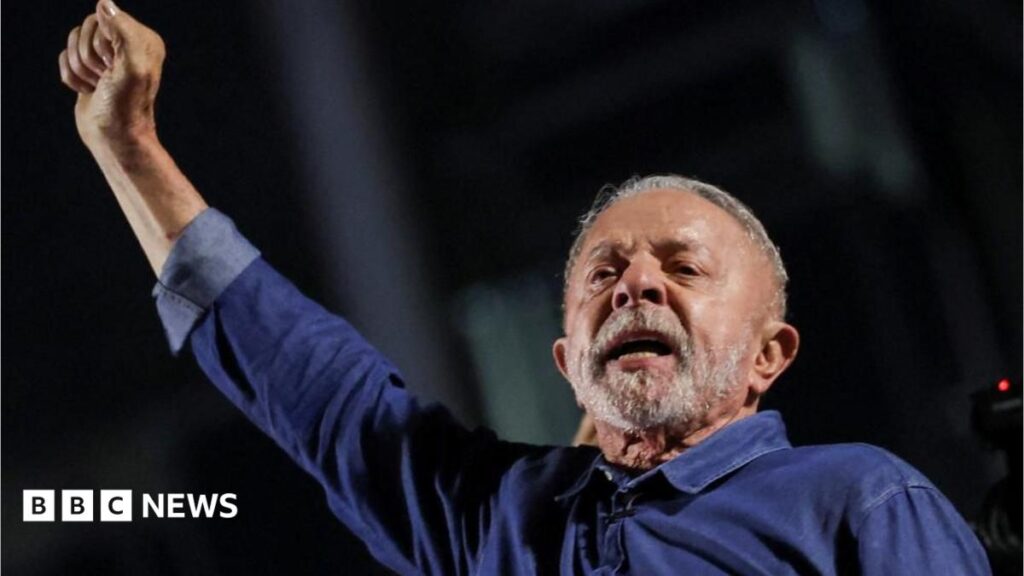
Lula da Silva clinches fourth term in Brazil 2026 election after dramatic runoff
Background: Lula’s political resurgence and Brazil’s polarized landscape
Luiz Inácio Lula da Silva returned to the presidency in 2023 after a decade‑long hiatus, riding a wave of social welfare promises that revived the legacy of his earlier 2003‑2010 terms. His third term was marked by a fragile coalition of left‑leaning parties, labor unions, and progressive NGOs, all of which struggled to keep the right‑wing opposition at bay.
The 2026 campaign unfolded against a backdrop of soaring inflation, a contentious pension reform, and escalating deforestation in the Amazon. While Lula emphasized continuity in climate policy and income redistribution, his challenger, Flávio Bolsonaro, capitalised on public fatigue with corruption scandals and promised a hard‑line security agenda.
Brazil’s electoral system, which requires a majority in the second round, set the stage for a dramatic showdown. Historically, runoffs have been decisive moments for the nation’s direction, and the 2026 contest quickly became a litmus test for the country’s ideological fault lines.
The election night: From first‑round setback to comeback victory
In the first round on October 2, Lula fell short of the 50 % threshold, receiving 48.6 % of the vote while Flávio Bolsonaro led with 49.2 %. The narrow margin triggered an automatic runoff, a scenario not seen since the 2018 election that pitted a left‑wing incumbent against a far‑right contender.
Lula’s campaign pivoted to a strategy of broadening its appeal beyond traditional union bases, courting centrist voters uneasy about Bolsonaro’s proposed roll‑backs of environmental protections. High‑profile endorsements from former rivals and a surge in social‑media mobilisation helped reshape the narrative in the final two weeks.
When the second‑round ballots were counted on October 30, Lula edged out Bolsonaro with 51.3 % of the vote, a swing of nearly three percentage points from the first round. International observers from the OAS declared the process “transparent and credible,” while Bolsonaro’s camp alleged isolated irregularities but did not file a formal challenge.
Why Lula’s fourth term matters for Brazil and the global stage
Lula’s victory secures a left‑leaning continuity that could stabilise Brazil’s foreign‑policy posture, especially regarding the Paris Agreement and the G20’s push for emerging‑market debt relief. Analysts predict a renewed emphasis on renewable‑energy projects in the Northeast, a sector that has attracted billions in foreign direct investment since 2022.
Domestically, the win reinforces Lula’s mandate to push through his “New Social Contract” – a package that includes expanding Bolsa Família, increasing the minimum wage, and expanding public health services. If implemented, these measures could lift an estimated 12 million Brazilians out of extreme poverty, according to a 2025 World Bank report.
The election also sends a signal to right‑wing populist movements across Latin America. Lula’s ability to rebound after a first‑round loss demonstrates that organized labor, progressive NGOs, and moderate voters can still outmaneuver nationalist rhetoric, a lesson that may reverberate in upcoming elections in Colombia and Mexico.
African and diaspora angles: Trade, climate, and cultural ties
Brazil’s renewed leftist leadership is likely to revive the “South‑South” trade agenda that Lula championed in his earlier terms. The country’s soybean and beef exports to African markets, especially to Nigeria, Kenya, and South Africa, have stalled due to tariff disputes and logistics bottlene‑cks. Lula’s administration has already signaled a willingness to negotiate more favourable trade terms, which could benefit African importers seeking affordable protein sources.
On climate, Brazil remains a key player in the global fight against deforestation. African nations that rely on carbon‑credit mechanisms, such as Kenya’s recent “Blue Carbon” projects, have been lobbying for stronger Amazon protection. Lula’s pledge to end illegal logging by 2030 aligns with African climate‑finance goals and may open avenues for joint research and financing through the African Development Bank.
The Brazilian diaspora in the United States and Europe, many of whom maintain family ties to Lagos, Accra, and Johannesburg, view Lula’s win as a cultural boost. Brazilian music festivals featuring Afro‑Brazilian artists have seen increased streaming numbers in West Africa, and a new wave of collaborative film projects is expected to receive state support under Lula’s cultural ministry.
What’s next: Policy agenda, political challenges, and regional impact
Lula’s immediate priority is to pass the “Fiscal Renewal Bill,” which aims to balance the budget without cutting social programs. The bill faces stiff opposition from Bolsonaro’s allies in the Senate, who threaten to block any legislation that raises taxes on the agribusiness sector. Negotiations are expected to be intense, with possible concessions on export‑tax rebates for soy and corn.
In the security realm, Lula has promised to strengthen community policing while avoiding the heavy‑handed tactics that Bolsonaro advocated. The plan includes a modest increase in funding for Brazil’s federal police and a partnership with UNODC to combat drug trafficking routes that intersect with West African smuggling networks.
Regionally, Lula’s return is likely to reinforce the “Community of Latin American and Caribbean States” (CELAC) agenda of deeper integration. He has already scheduled a summit in Brasília for early 2027, inviting African Union representatives to discuss trade corridors linking the Atlantic coast of Brazil with West African ports, a project that could reshape logistics for both continents.
Quick Answers
When was Lula da Silva re‑elected for his fourth term?
Lula da Silva secured his fourth term on October 30, 2026, after winning the runoff with 51.3 % of the vote.
What are the main policy priorities of Lula’s new administration?
His agenda focuses on expanding social welfare programs, advancing renewable‑energy projects, and negotiating more favourable trade deals with African and other emerging markets.
How could Lula’s victory affect trade between Brazil and African countries?
The administration’s intent to revive South‑South trade could lower tariffs on Brazilian agricultural exports to Africa and foster joint climate‑finance initiatives.
Source: www.bbc.co.uk



💬 Comments 0