Malaysia starts controversial repatriation of 5,000 Myanmar asylum seekers, sparking human‑rights outcry in 2026
Background: Malaysia as a refuge and Myanmar’s displacement crisis
Since the 2021 military coup, Myanmar has produced one of the world’s largest displacement waves, with an estimated 1.2 million people fleeing across the border into neighboring Thailand, Bangladesh and Malaysia. Kuala Lumpur, while not a signatory to the 1951 Refugee Convention, has long acted as a de‑facto safe haven for Rohingya, Kachin and other ethnic minorities, offering informal shelter, work permits and access to NGOs that provide basic services.
The influx strained Malaysia’s already tight public‑housing and health systems, prompting successive governments to label the newcomers “illegal immigrants” rather than refugees. Over the past five years, the United Nations High Commissioner for Refugees (UNHCR) has warned that more than 5,000 asylum‑seekers remain in detention centers, many of whom lack legal status and face daily harassment.
In early 2026, the Malaysian Home Affairs Ministry announced a pilot repatriation programme aimed at returning those deemed “non‑threatening” to Myanmar. The move coincided with a regional push, led by ASEAN, to address what Bangkok and Jakarta call “irregular migration” and to reduce the diplomatic friction caused by the protracted Myanmar crisis.
The repatriation decision: How the process unfolded
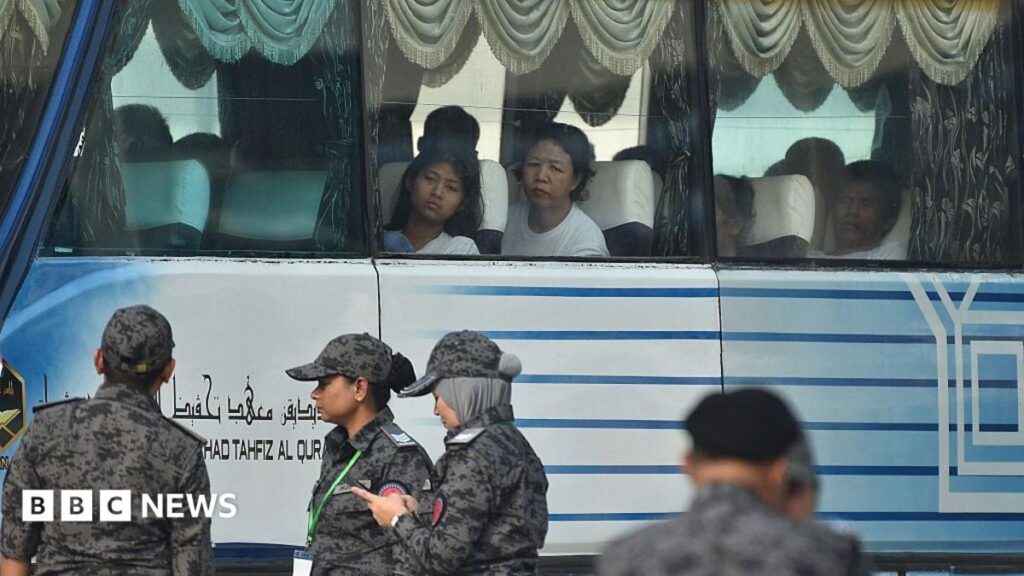
On 23 September 2026, Malaysian authorities began escorting the first batch of 500 asylum‑seekers to the Thai border, where they were handed over to Myanmar officials. The operation was carried out under a bilateral agreement signed in June, which stipulates that returnees will be screened by Myanmar’s Ministry of Home Affairs before being allowed to settle in designated “re‑integration zones”.
Human‑rights groups, including Amnesty International and the Malaysian Human Rights Commission (SUHAKAM), immediately denounced the plan, arguing that Myanmar’s military junta has a documented record of targeting returnees for forced conscription, arbitrary arrest and extrajudicial killings. They warned that up to 5,000 people could be sent back without proper protection guarantees, a claim echoed by UNHCR’s regional office in Bangkok.
The Malaysian government defended the move as “a sovereign response to illegal migration” and cited a confidential security assessment that suggested the majority of the detainees posed no threat to national stability. Officials also argued that the repatriation would free up resources for other migrants, including skilled African professionals who have been lobbying for clearer work‑visa pathways.
Why it matters: Regional politics, human‑rights norms and the African diaspora
The repatriation raises a critical test for ASEAN’s “non‑interference” doctrine. By cooperating with a regime widely condemned for human‑rights abuses, Malaysia risks legitimising the junta’s authority and weakening the regional body’s credibility as a defender of vulnerable populations. Analysts at the Institute of Southeast Asian Studies note that the episode could set a precedent for other ASEAN members to pursue similar return programmes, potentially eroding the informal protection net that has existed for decades.
For African migrants in Malaysia, the policy has indirect but tangible implications. The country hosts a growing community of Nigerian, Ghanaian and Kenyan students, entrepreneurs and health‑care workers—many of whom rely on the same legal ambiguities that shelter Myanmar refugees. A stricter stance on irregular migration could tighten visa scrutiny, making it harder for African professionals to obtain or renew permits, especially if the government adopts a blanket “security‑first” narrative.
Diaspora organisations across Africa have already mobilised on social media, urging their members in Malaysia to document any harassment and to seek legal counsel. The African Union’s migration department has expressed concern that the repatriation could signal a shift toward “expulsion‑by‑default” policies that affect all non‑citizens, regardless of origin.
Reactions on the ground: NGOs, governments and the diaspora
Local NGOs have launched emergency legal clinics in Kuala Lumpur to challenge the repatriation in court. A coalition led by the Malaysian Legal Aid Centre filed a petition on 26 September, arguing that the process violates Malaysia’s Constitution, which guarantees the right to life and liberty, and contravenes international obligations under the principle of non‑refoulement. The petition seeks an injunction to halt further transfers until independent monitoring can be arranged.
International bodies have weighed in as well. The UN High Commissioner for Human Rights issued a statement on 27 September urging Malaysia to suspend the programme pending a thorough, transparent assessment by an independent third party. The European Union’s delegation in Kuala Lumpur warned that any breach of non‑refoulement could trigger sanctions under its human‑rights conditionality framework.
African community leaders, such as the Nigeria‑Malaysia Business Council, have issued a joint letter to the Home Affairs Ministry asking for assurance that the repatriation will not be used as a pretext to target African nationals. They highlighted recent incidents where African students were detained for minor visa infractions, arguing that a climate of fear could undermine Malaysia’s reputation as an emerging hub for African talent.
What’s next: Legal battles, diplomatic fallout and the future of migration policy
The court hearing for the legal challenge is scheduled for mid‑October, and legal experts predict a protracted battle that could reach Malaysia’s Federal Court. If the injunction is granted, the government may be forced to redesign the programme, possibly incorporating UN‑monitored safe‑return protocols that include guarantees against conscription and torture.
Diplomatically, the episode is likely to strain Malaysia’s relations with both Myanmar’s military government and the broader international community. ASEAN’s chairmanship, currently held by Indonesia, may be forced to mediate a compromise that balances security concerns with human‑rights obligations, a delicate act given the bloc’s historic reluctance to intervene in member states’ internal affairs.
For African migrants, the outcome will serve as a barometer for how Malaysia treats non‑regional asylum‑seekers and irregular migrants moving forward. A decision that prioritises security over due process could prompt a wave of visa reforms, tighter border checks, and possibly a new wave of African professionals seeking alternatives in other Asian hubs such as Singapore or South Korea.
Quick Answers
How many Myanmar asylum‑seekers is Malaysia planning to repatriate?
Malaysia’s pilot programme targets about 5,000 Myanmar asylum‑seekers, with the first 500 already transferred in September 2026.
What risks do returnees face under Myanmar’s military rule?
Returnees risk forced conscription, arbitrary arrest, and possible violence, as documented by UN agencies and human‑rights groups.
Will the repatriation affect African migrants living in Malaysia?
The policy could tighten visa scrutiny and inspire stricter migration enforcement, which may impact African students, workers and entrepreneurs in the country.
Source: www.bbc.co.uk




💬 Comments 0