Western diplomats warn of Cold‑War‑era surveillance in Moscow amid Russia’s Ukraine war
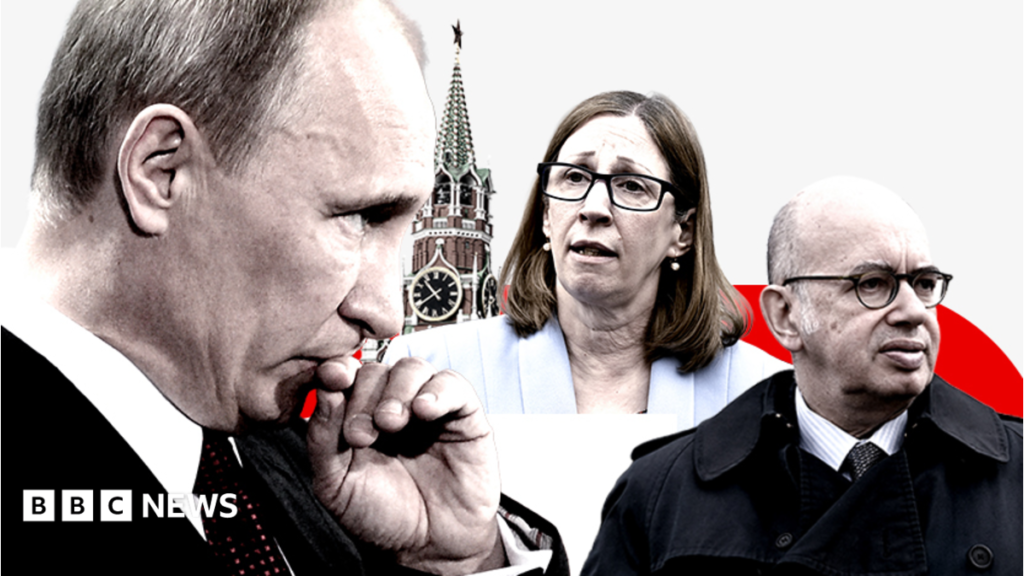
Cold‑War Echoes in Modern Moscow
The Russian Federation’s full‑scale invasion of Ukraine on February 24, 2022, triggered a swift realignment of diplomatic relations worldwide. Western embassies in Moscow were abruptly closed, and many diplomats were recalled to their home countries, only to return later under new security protocols. According to the BBC, ambassadors from the United States, United Kingdom, and Germany now describe working in the capital as reminiscent of the Cold War era, with pervasive surveillance and a climate of suspicion.
The comparison to the Cold War is not merely rhetorical. Diplomats report that their offices are monitored by state‑run security agencies, that electronic devices are routinely inspected, and that any contact with local media is heavily scrutinized. In one interview, a senior diplomat noted that even informal conversations in cafés are considered risky, as they could be intercepted by Russian intelligence. These measures echo the tactics of the KGB, which employed widespread informants and covert surveillance to monitor foreign nationals.
The implications are twofold. First, the heightened security posture hampers routine diplomatic work, slowing negotiations and reducing the effectiveness of crisis management. Second, it signals a shift in Russia’s foreign policy posture, treating Western diplomats as potential adversaries rather than partners, and reinforcing a narrative of internal vigilance that could spill over into domestic policy.
Daily Reality for Western Diplomats
The day‑to‑day life of a Western diplomat in Moscow has become a tightrope walk. Every meeting, every email, and every social media post is subject to vetting. Staff must secure clearance before traveling outside the embassy compound, and even routine visits to the local embassy can trigger surprise security checks. This environment has led to a culture of self‑censorship, where diplomats are careful to avoid topics that could be deemed sensitive.
Psychologically, the constant monitoring breeds a sense of paranoia. According to a former ambassador, the stress of knowing one’s movements are tracked has led to fatigue and a reluctance to engage in informal networking, which is often crucial in diplomatic circles. The fear of being reported for an innocuous conversation has made the diplomatic corps more insular and less willing to share information across missions.
The Cold War analogy extends beyond surveillance to the very structure of diplomatic engagement. In the past, ambassadors had the latitude to negotiate behind closed doors and maintain personal rapport with host‑country officials. Today, such interactions are often mediated by secure channels, and any misstep can lead to diplomatic reprimand or even expulsion. This shift marks a significant change in the nature of diplomatic practice.
African Diplomats and Businesses: A Silent Front
African nations maintain a substantial diplomatic presence in Moscow, with embassies in Russia hosting staff that manage trade, cultural exchange, and consular services. Countries such as Nigeria, Kenya, and South Africa have long relied on Russian expertise in mining, energy, and agriculture. However, these missions now face the same scrutiny and restrictions as their Western counterparts, often with fewer resources to counteract it.
The increased surveillance has tangible consequences for African businesses operating in Russia. Many African companies are already navigating complex sanctions regimes imposed by the West, and the added layer of Russian oversight raises the risk of inadvertent violations. For instance, a Nigerian oil firm recently had its shipment delayed after Russian customs flagged a shipment that had not been fully vetted by the company’s legal team. Such incidents can lead to costly fines and strained bilateral relations.
Moreover, the heightened security environment hampers informal business negotiations. African entrepreneurs often rely on personal connections and trust-building to secure deals in Russia. The fear of being monitored or misinterpreted can stifle these relationships, potentially slowing investment flows and limiting access to Russian markets for African enterprises.
Global Implications: Sanctions, Trade, and Security
The surveillance tactics employed by Russia are part of a broader strategy to assert control over foreign influence. As Western diplomats feel increasingly constrained, the ripple effects extend to global trade networks, especially in energy and food sectors. Russia’s role as a major supplier of natural gas and wheat means that any diplomatic friction can translate into supply chain disruptions worldwide.
Sanctions imposed by Western nations have already strained Russia’s economy, but the new surveillance measures intensify pressure on Russian officials to justify their actions domestically. This domestic pressure can lead to more aggressive foreign policy moves, potentially destabilizing regions beyond Eastern Europe. The diplomatic isolation of Russia may also push it to seek alternative alliances, reshaping the geopolitical landscape.
For multilateral institutions such as the United Nations and the World Trade Organization, the situation underscores the fragility of diplomatic engagement when host nations adopt a hostile stance toward foreign missions. The risk of diplomatic expulsions or embassy closures could set a precedent, encouraging other states to adopt similar tactics, thereby eroding the norms that underpin international diplomacy.
Future Outlook: Reshaping Diplomatic Presence
In response to the escalating surveillance, several countries are considering a shift toward virtual diplomacy. Remote negotiations, secure video conferencing, and digital consular services could reduce the need for on‑ground staff, thereby mitigating risk. However, this approach may also weaken the personal touch that is often essential in diplomatic relations.
Some nations have already announced plans to reduce their diplomatic footprint in Russia. The United Kingdom, for instance, is evaluating the closure of its consular services in Moscow, while the United States is contemplating a scaled‑back presence. Such moves could have long‑term repercussions, including reduced influence in Russian policy discussions and a diminished ability to protect citizens abroad.
African countries face a strategic dilemma: maintain a presence to safeguard economic interests, or withdraw to avoid entanglement in a tense geopolitical environment. Potential solutions include establishing joint diplomatic missions with other African states, leveraging digital platforms for engagement, or engaging through multilateral forums to bypass direct bilateral friction. The decision will shape Africa’s future engagement with Russia and its role in global diplomacy.
Quick Answers
Why are Western diplomats describing Moscow as a Cold War‑era environment?
They report pervasive surveillance by Russian security agencies, restrictions on movements, and a climate of suspicion that mirrors tactics used during the Cold War.
How does increased surveillance affect African businesses in Russia?
It raises the risk of sanctions violations, delays shipments, and hampers informal negotiations, potentially limiting investment and trade between African nations and Russia.
What could be the long‑term impact on global diplomacy?
If more countries adopt similar surveillance tactics, it may erode diplomatic norms, reduce face‑to‑face engagement, and shift international relations toward virtual or multilateral platforms.
Source: www.bbc.co.uk


💬 Comments 0