Man City’s Spending Edge Sparks Premier League Fairness Debate – African Football Impact
Background: Premier League Rules and City’s Budget
The Premier League has long been governed by a set of financial regulations designed to promote competitive balance. Central among these is the Financial Fair Play (FFP) framework, which requires clubs to operate within the limits of their income and to avoid excessive debt. However, the league’s ownership rules allow clubs with wealthy owners to channel substantial investment into player wages, transfer fees and infrastructure, provided they meet the FFP criteria over a rolling period.
Manchester City’s ownership structure, under the Abu Dhabi United Group, has enabled the club to spend far beyond the average club’s budget. By leveraging its owners’ resources and a sophisticated commercial strategy, City has amassed a wage bill that dwarfs many rivals. The club’s spending power has been a key factor in its domestic dominance and European competitiveness, raising questions about whether the current rules truly level the playing field.
Allegations of Cheating: The Core Claim
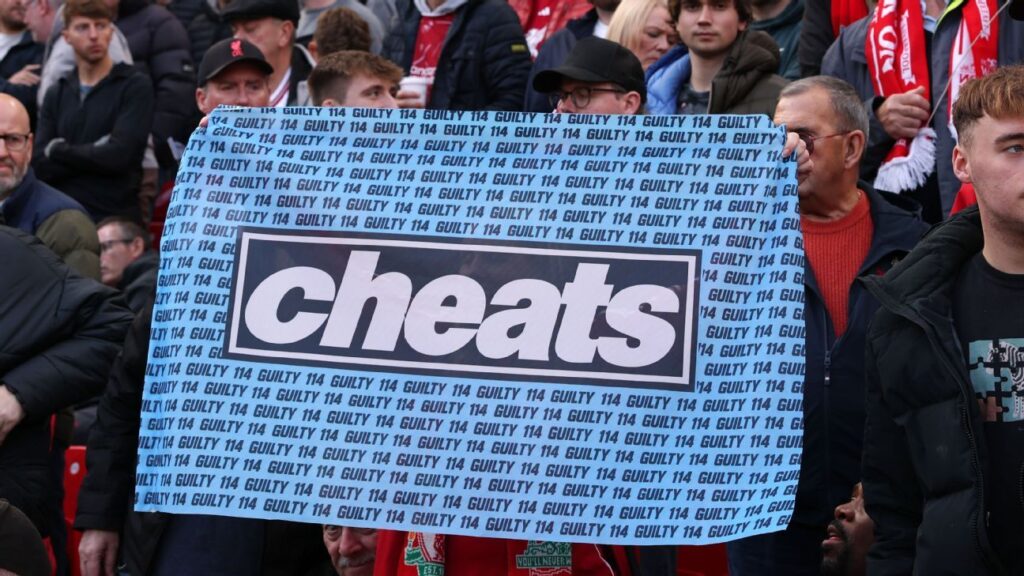
Recent commentary on social media and a handful of opinion pieces claim that the Premier League’s rules effectively hand a spending advantage to clubs like Manchester City, thereby giving them an unfair edge. The core argument is that the league’s financial regulations allow City to inject capital into the squad while other clubs are constrained by stricter budgetary oversight or smaller revenue streams.
While no formal investigation has confirmed any wrongdoing, the narrative has gained traction among fans who feel the league’s structure favors a small group of wealthy clubs. Some argue that the league’s reliance on broadcasting revenue and commercial deals further amplifies this disparity, especially when clubs with global brands can negotiate higher sponsorship deals than less affluent teams.
Why It Matters: Impact on African Football Markets
The debate over Premier League spending has ripple effects beyond English borders. African clubs often rely on selling talent to European leagues as a primary revenue source, and the high wages offered by clubs like City can inflate player valuations, making it harder for smaller African clubs to compete in transfer negotiations.
Moreover, African players who secure moves to Premier League clubs face a dual reality: they can command higher salaries, but they also become part of a system where financial imbalances can influence playing time, contract length, and post-career opportunities. This dynamic can affect the development of domestic leagues in countries such as Nigeria, Ghana, and South Africa, where top talent is siphoned off to wealthier clubs.
Reactions: Voices from Africa and the Diaspora
African football journalists and former players have voiced concerns that the Premier League’s financial model may hinder the growth of local leagues. A former Nigerian international, speaking to a local sports outlet, remarked that the allure of high wages can divert focus from nurturing grassroots talent in home countries.
Diaspora communities in the UK, many of whom support Premier League clubs, are divided. Some fans celebrate the success of teams like City, while others feel a sense of loss when they see African players struggle to secure meaningful roles in such high‑budget squads. Social media campaigns have emerged calling for greater transparency and equitable revenue sharing in the league.
What’s Next: Potential Reforms and African Opportunities
The Premier League has begun to explore reforms that could address the perceived imbalance, including tightening the FFP window and increasing revenue redistribution to lower‑ranked clubs. If successful, these measures could indirectly benefit African clubs by creating a more stable and competitive global football ecosystem.
For African footballers, the conversation highlights the importance of robust player representation and the need for clubs in Africa to invest in youth academies and infrastructure. By strengthening domestic development pathways, African nations can reduce over‑reliance on export markets and build resilient leagues that can compete on a global stage.
Quick Answers
Is Manchester City officially accused of cheating by the Premier League?
No formal accusations or disciplinary actions have been taken against Manchester City by the Premier League regarding cheating. The claims are largely based on public opinion and commentary.
How does Premier League spending affect African players?
Higher wages from wealthy clubs can inflate player valuations, making it harder for African clubs to compete in transfer negotiations and potentially diverting talent away from domestic leagues.
What reforms could make the Premier League more fair?
Potential reforms include tightening Financial Fair Play limits, increasing revenue redistribution to lower‑ranked clubs, and enhancing transparency around club spending and ownership structures.
Source: www.espn.com




💬 Comments 0