Manchester City sign Palmeiras winger Allan Elias for $46.6m – African talent impact 2026
Background: Allan Elias and City’s recruitment philosophy
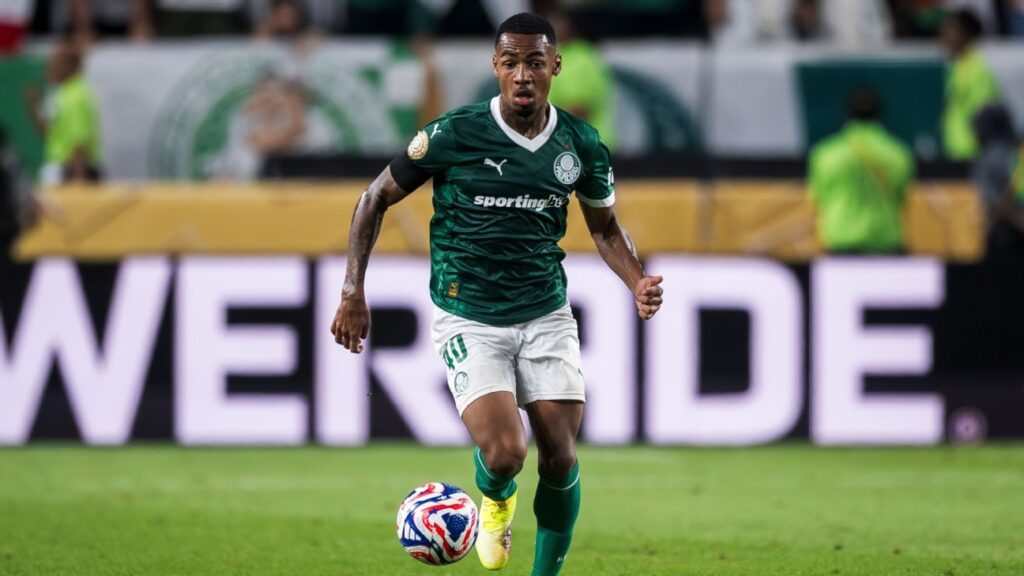
Allan Elias, the 23‑year‑old Brazilian winger who broke onto the scene with Palmeiras, has become one of South America’s most coveted prospects after a breakout season that saw him net 12 goals and provide 15 assists in all competitions. His blend of pace, technical skill and defensive work‑rate fits the modern Premier League profile, and his market value has surged dramatically since his debut in 2022. Meanwhile, Manchester City, under Pep Guardiola, have continued to diversify their squad by tapping into both European and non‑European talent pools, a strategy that has delivered players like Riyad Mahrez and Julián Álvarez while maintaining a global scouting network across Brazil, Argentina, and increasingly Africa.
City’s recent transfer history shows a willingness to spend big on emerging talent rather than established stars, a pattern that aligns with the club’s financial muscle and the Premier League’s revenue growth. The $46.6 million fee for Allan is the highest ever paid by City for a Brazilian player, eclipsing the club’s previous record for South American signings. This move underscores City’s belief that investing in youthful, adaptable players can sustain their domestic dominance and European ambitions for the next five to ten years.
The deal: figures, timing and immediate reactions
The agreement between Manchester City and Palmeiras was confirmed by both clubs on August 23, 2026, with the transfer fee reported at $46.6 million, plus add‑ons tied to appearances and continental success. Allan signed a five‑year contract that reportedly includes a €150 million release clause, reflecting City’s intent to protect their investment while giving the player a clear pathway to become a cornerstone of the side. The transfer window deadline loomed, and City moved quickly to secure the winger before rival Premier League clubs could intervene.
Palmeiras, meanwhile, announced that the windfall will be reinvested into its youth academy and infrastructure, a statement that resonated with Brazilian football fans who see the club as a springboard for talent. In Nigeria and other African markets, the news sparked lively debate on social media, with many questioning whether the funds could have been used to attract African players directly, rather than relying on South American talent that often commands higher fees.
Why it matters for African football ecosystems
Although Allan is Brazilian, the transfer has ripple effects for African players trying to break into Europe. Premier League clubs, especially those with deep pockets like City, allocate a finite budget each window; a $46.6 million outlay for a South American winger reduces the amount available for scouting and signing African prospects. This dynamic intensifies competition among African agents and academies, who must now demonstrate comparable value to justify a similar investment.
Furthermore, the deal highlights a broader perception among European clubs that South American talent offers a more predictable return on investment, given the continent’s established pipeline to Europe. African football stakeholders argue that this bias can marginalise talented African players, limiting their exposure and market value. The transfer therefore fuels ongoing discussions about the need for stronger representation of African talent in global transfer markets and for European clubs to diversify their scouting beyond the traditional South American strongholds.
Broader trend: South American pipelines versus emerging African markets
In the last decade, the flow of players from Brazil and Argentina to the Premier League has accelerated, with clubs like Liverpool, Chelsea and Manchester United spending heavily on South American forwards and midfielders. This trend coincides with the rise of African academies in Ghana, Ivory Coast and Nigeria, which have begun producing European‑ready talent at an unprecedented rate. Yet, the financial muscle behind South American transfers remains larger, partly because clubs in Brazil and Argentina often sell players to balance their books, whereas many African clubs lack comparable bargaining power.
The Allan Elias deal serves as a case study of how European clubs may prioritize established South American pipelines when they have a clear track record of success. For African football administrators, the lesson is clear: they must improve contract structures, invest in data‑driven scouting, and negotiate better resale percentages to keep African talent financially attractive to top‑tier clubs.
What’s next: implications for City, Palmeiras and African prospects
For Manchester City, Allan is expected to provide depth on the right flank and compete for a starting spot in both domestic and Champions League fixtures. Guardiola’s tactical flexibility means the winger could be used as an inverted forward or a traditional wide player, giving City more options against varied opposition. Success on the pitch will likely validate the hefty price tag and could encourage City to pursue similar high‑profile South American signings in the future.
Palmeiras, on the other hand, will feel the loss of a key creative outlet but will benefit financially. The club’s announced reinvestment plan could enhance its academy, potentially producing the next generation of talent—some of whom may be African players attracted by Brazil’s reputation for technical development. If Palmeiras successfully leverages the funds, it could create a new pathway that bridges South American and African football cultures, offering African youngsters a different route to Europe through the Brazilian league.
Quick Answers
How much did Manchester City pay for Allan Elias?
Manchester City agreed to a £46.6 million ($46.6 million) transfer fee with Palmeiras for Allan Elias.
Will Allan Elias affect African players' chances in the Premier League?
The high fee reduces the budget available for African prospects, intensifying competition for limited spots in top European clubs.
What will Palmeiras do with the transfer money?
Palmeiras plans to invest the proceeds into its youth academy and infrastructure upgrades.
Source: www.espn.com




💬 Comments 0