Manchester City unveils AI‑designed Elliott’s third kit for 2026‑27 Puma launch, African fans in focus
A massive fan‑driven AI contest
In early 2026, Manchester City partnered with sportswear giant Puma to launch an unprecedented design competition. More than 180,000 AI‑generated concepts were submitted by fans worldwide, each created using publicly available text‑to‑image tools. Participants fed the algorithms with prompts ranging from "modern streetwear meets classic sky blue" to "Elliott's tribute to the club's 2025 Champions League triumph". The sheer volume of entries forced the club to curate a shortlist with a dedicated panel of designers and data scientists.
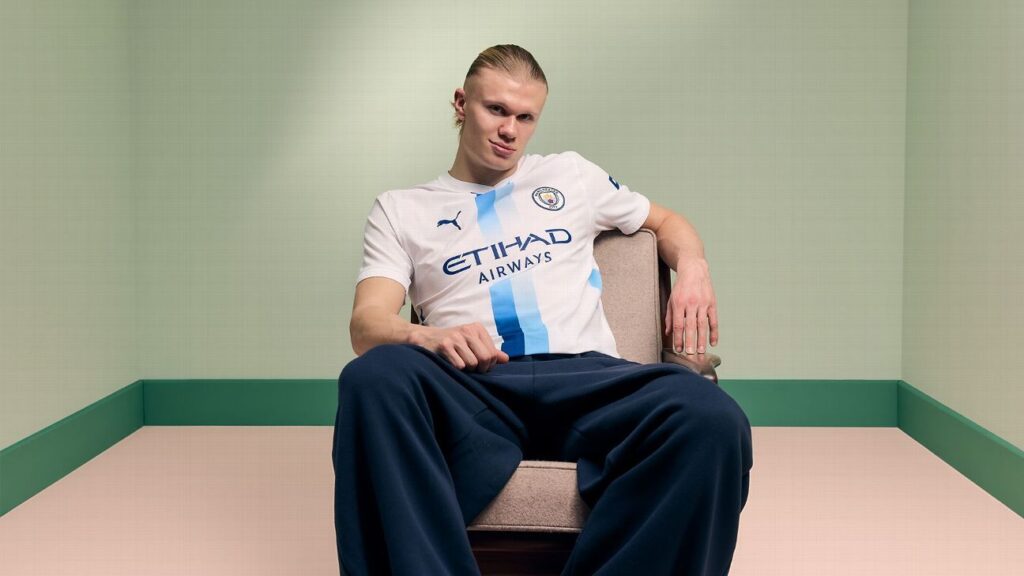
The final selection process was streamed live on the club’s official YouTube channel, where fans could vote in real time for their favourite designs. While the majority of entries featured bold graphics and experimental colour blocks, the winning concept – dubbed "Elliott's" – stood out for its subtle nod to the club’s heritage and a futuristic silhouette that aligns with Puma’s upcoming sustainability line. The kit will debut as City’s third shirt for the 2026‑27 season.
City’s chief marketing officer, Karen Leung, explained that the contest was not just a gimmick but a strategic move to deepen fan involvement. "We wanted to give our global supporters a real stake in the visual identity of the team," she said in a press release. By leveraging AI, the club turned a typical design process into an inclusive, data‑rich experiment that captured the imagination of millions.
Why AI is reshaping football apparel
Artificial intelligence is quickly becoming a core tool for sports brands seeking fresh aesthetics and faster turnaround times. Traditional kit design can take months, involving sketches, fabric testing, and multiple rounds of approval. AI accelerates this pipeline by generating high‑resolution mock‑ups within minutes, allowing designers to iterate on trends such as retro‑futurism, streetwear influences, and eco‑friendly materials.
Puma has already piloted AI for its sneaker line, using generative models to predict colour palettes that resonate with regional markets. The Manchester City project marks the first time the brand has opened the technology to a fan community at scale. According to a Puma spokesperson, the AI‑driven approach reduced the design phase by roughly 40 % and offered insights into consumer preferences that would otherwise require costly focus groups.
Critics caution that reliance on algorithms could homogenise creativity, but proponents argue that AI serves as a collaborative partner rather than a replacement. The Elliott's kit, for instance, blends an algorithmic interpretation of classic club motifs with human‑led refinements, showing how technology can amplify, not erase, the designer’s voice.
The Elliott's kit: branding, heritage and fan power
The chosen design pays homage to the club’s iconic sky‑blue shade while introducing a subtle gradient that mimics the sunrise over Manchester’s River Irwell – a visual cue suggested by a popular fan prompt. The collar features a thin silver trim reminiscent of the club’s 2025 Champions League trophy, a detail that many supporters highlighted in the live voting chat.
Beyond aesthetics, the kit represents a shift in how clubs monetize fan creativity. By crediting the winning design to the collective of participants rather than a single designer, City signals a new model where intellectual property can be shared, potentially unlocking royalty streams for fans. This could inspire similar collaborations across the Premier League, where fan‑generated content is already a massive, albeit informal, revenue source.
The branding move also dovetails with City’s broader digital strategy, which includes a recently launched NFT marketplace for limited‑edition memorabilia. The Elliott's kit will be minted as a digital collectible, allowing owners to showcase the shirt in virtual environments such as Decentraland and the upcoming Meta‑City metaverse experience.
African market implications: fans, sales and digital engagement
Manchester City boasts one of the largest African fanbases among European clubs, with official supporter groups in Nigeria, Kenya, Ghana, and South Africa. The AI‑driven kit launch offers a fresh touchpoint for these communities, many of which have been early adopters of mobile‑first e‑commerce. Puma’s distribution network already covers major African cities, and the club’s partnership with local retailers like SuperSport’s merchandise arm ensures that physical copies of the Elliott's kit will hit shelves across the continent within weeks of the season opener.
The digital side of the launch is equally significant. African fans, who frequently engage with the club via WhatsApp groups and TikTok, will be able to vote on future design tweaks through a dedicated app that runs on low‑bandwidth connections. This approach acknowledges the continent’s mobile‑centric internet usage patterns and could set a precedent for other clubs seeking to deepen African fan engagement without relying on high‑speed broadband.
Economically, the kit is projected to generate an additional $12 million in global merchandise revenue, according to a market analysis by Deloitte. A sizable share of that is expected to come from Africa, where recent surveys indicate a 22 % year‑on‑year increase in demand for premium football apparel. By tying the kit’s narrative to AI and fan participation, City and Puma are positioning themselves to capture the growing disposable income of African youth who view the club as a cultural icon.
What comes next: NFTs, sustainability and the future of fan‑crafted kits
The Elliott's kit is just the first chapter in what City and Puma are branding as a "continuous co‑creation" platform. Within the next twelve months, the clubs plan to release limited‑edition colourways that can be unlocked by owners of the kit’s NFT, a move that merges physical merchandise with blockchain‑based scarcity. Early adopters will also receive exclusive access to virtual meet‑ups with players, a feature already trialled during the club’s 2025 pre‑season tour in Lagos.
Sustainability is another pillar of the rollout. The third kit will be produced using Puma’s new Bio‑Flex yarn, which incorporates recycled polyester and plant‑based fibers, cutting carbon emissions by roughly 30 % compared with the club’s standard kits. This aligns with Manchester City’s 2030 climate‑neutrality pledge and resonates with environmentally conscious African consumers, many of whom are increasingly demanding greener products.
Finally, the success of the AI contest may inspire a new revenue model: subscription‑based design studios where fans pay a modest monthly fee to submit prompts, receive AI‑generated prototypes, and vote on the next official kit. If adopted, such a model could democratise sports fashion globally, giving fans from Lagos to London a genuine voice in the look of their favourite teams.
Quick Answers
When will Manchester City's AI‑designed Elliott's third kit be available for purchase?
The kit launches at the start of the 2026‑27 season, with online sales opening on August 31, 2026, and physical stock arriving in stores worldwide shortly after.
How can African fans participate in future AI kit designs for Manchester City?
Fans can join the club’s dedicated mobile app, which supports low‑bandwidth voting and prompt submissions, and may also earn NFT rewards for active participation.
Is the Elliott's kit made from sustainable materials?
Yes, Puma manufactures the shirt using its Bio‑Flex yarn, a blend of recycled polyester and plant‑based fibers that reduces carbon emissions by about 30 %.
Source: www.espn.com




💬 Comments 0