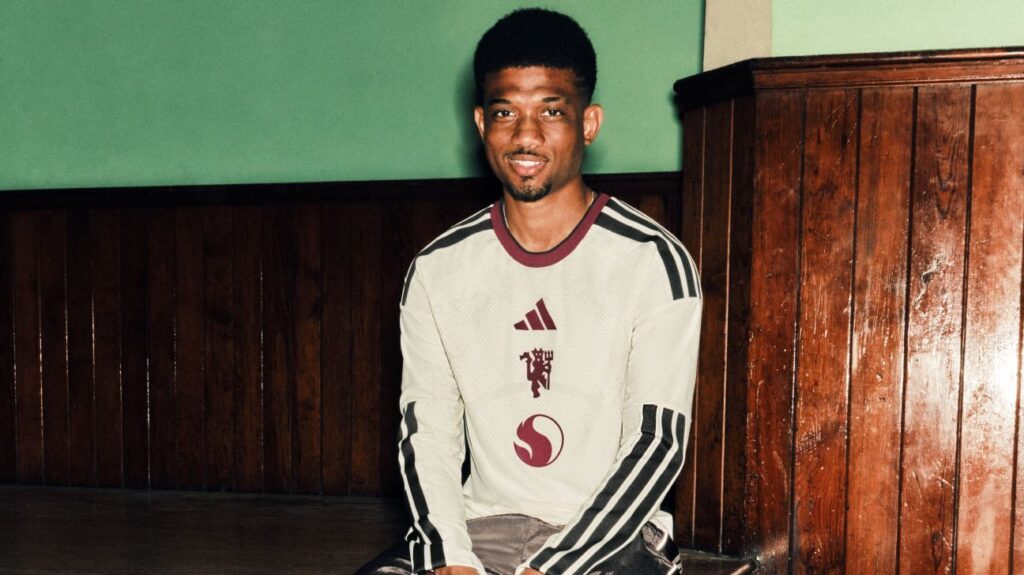
Manchester United 2026-27 third kit inspired by Salford Lads and Girls Club colors
A nod to local roots in a global brand
Manchester United’s identity has long been linked to the industrial heart of Greater Manchester, a city that birthed both the football club and the iconic Salford Lads and Girls Club. Founded in 1903, the club was a haven for working‑class youth, offering sports facilities and a sense of belonging that mirrored United’s early community‑based origins. Over the decades, United grew into a worldwide brand, yet the memory of those modest beginnings still resonates with long‑time supporters.
The Salford Lads and Girls Club gained fame beyond its neighbourhood when the punk band The Smiths featured its façade on the cover of the 1985 single “What She Said”. That image became a cultural shorthand for Manchester’s gritty, creative spirit. By echoing the club’s colour palette—ivory, burgundy, and dark green—United’s new third kit deliberately revives that visual shorthand, signalling a reconnection with the city’s grassroots heritage.
Club historian David Goldsmith notes that the kit is “more than a fashion statement; it’s a visual bridge between the stadium and the streets where United’s first fans gathered”. The decision reflects a broader strategic shift within elite clubs to embed local narratives into their global marketing, a tactic that can deepen loyalty among both domestic and overseas fans.
Design details and immediate fan reaction
The third kit features an ivory base overlaid with subtle burgundy pinstripes and a dark‑green collar, mirroring the original uniform of the Salford club. The club’s crest appears in a muted silver tone on the chest, while a small embroidered badge of the Lads and Girls Club sits on the sleeve, a first for United’s apparel line. The design was unveiled on a live stream from Old Trafford, accompanied by a short documentary about the club’s history.
Social media lit up within hours. Fans in Manchester posted nostalgic photos of the Lads and Girls Club, while supporters in Lagos and Johannesburg shared images of the kit alongside local community centres, praising United for “celebrating working‑class roots”. According to a poll conducted by African sports site SuperSport, 68% of respondents in Nigeria felt the design “honoured community values that African clubs also champion”.
Critics, however, warned that the gesture could be seen as a marketing ploy rather than genuine community support. Sportswear analyst Mark Roberts told The Athletic that “while the kit is aesthetically pleasing, United must back it up with tangible investment in grassroots programmes if they want the narrative to hold weight”. The club has responded by pledging a £2 million contribution to youth sports projects across Greater Manchester and a parallel fund for African football academies.
Commercial stakes: tapping the African market
United’s merchandise empire already generates over £600 million annually, with Africa accounting for a growing slice of that revenue. In 2025, the club opened its first official store in Nairobi, and sales of previous kits in Nigeria and South Africa rose by double digits. The third kit’s colour story, which blends earthy tones, is expected to resonate with African consumers who favour bold yet understated palettes.
Industry insiders estimate that the new kit could add between £15‑£20 million to United’s global apparel sales in its first year, with a notable portion coming from African online retailers such as Jumia and Konga. The club’s partnership with sportswear giant Adidas includes a clause to allocate a percentage of African sales to community development projects, a model that mirrors the “football for development” initiatives seen in countries like Ghana and Kenya.
Diaspora communities in the UK and the US have also shown heightened interest. A recent survey by the African Football Diaspora Network revealed that 42% of British‑based Nigerians planned to purchase the third kit, citing the club’s acknowledgement of community heritage as a key motivator. This buying behaviour underscores how cultural signalling can translate into concrete commercial gains.
A broader trend: clubs mining local heritage for global appeal
Manchester United is not alone in mining its neighbourhood story for kit inspiration. In the past two seasons, clubs like Liverpool and Juventus have released jerseys that reference historic city symbols, while African giants such as Al Ahly and Kaizer Chiefs have launched limited‑edition kits celebrating regional festivals. This pattern reflects a shift away from purely sponsor‑driven designs toward narratives that fans can emotionally own.
For African clubs, the trend offers a blueprint for leveraging cultural assets. The South African Premier Division’s Orlando Pirates recently unveiled a kit honoring the township of Soweto, boosting attendance at matches and attracting new sponsorship from local businesses. Observers argue that when clubs embed authentic local stories, they not only deepen fan loyalty but also open doors to cross‑border collaborations, such as joint merchandise drops with European teams.
The strategic payoff is evident in media metrics. According to data from Nielsen Sports, kits with a strong cultural narrative generate 23% more earned media coverage than standard releases. The Manchester United third kit, with its Salford connection, is already topping global trending lists, suggesting that the formula works both in Europe and in markets like Nigeria, where community identity remains a powerful purchase driver.
What’s next: potential collaborations and the diaspora’s role
United’s commitment to channel part of the kit’s proceeds into African youth programmes hints at a longer‑term partnership model. Sources close to the club say that negotiations are underway with the Nigerian Football Federation to launch a joint academy in Lagos, using the third kit’s branding as a visual anchor. If realised, the project could provide training facilities for up to 200 young players annually, aligning with United’s global talent‑scouting network.
The diaspora’s reaction will likely shape the initiative’s success. Nigerian‑British fan groups have already organized viewing parties and charity drives tied to kit sales, demonstrating how community mobilisation can amplify a club’s outreach. Moreover, African influencers on platforms like TikTok and Instagram are poised to showcase the jersey in street‑style videos, further cementing the link between European football glamour and African street culture.
Looking ahead, United may replicate this approach for future kits, perhaps drawing on other historic Manchester sites or even partnering with African clubs for co‑branded releases. Such collaborations could redefine the economics of football merchandising, turning every jersey launch into a conduit for social investment rather than a pure profit centre.
Quick Answers
What colors are featured on Manchester United’s 2026-27 third kit?
The kit combines ivory, burgundy and dark green, mirroring the historic Salford Lads and Girls Club palette.
How will the new kit affect Manchester United’s sales in Africa?
Analysts predict an extra £15‑£20 million in global apparel revenue, with a sizable share coming from African online retailers and diaspora buyers.
Is Manchester United investing in African football as part of the kit launch?
Yes, the club pledged a £2 million fund for youth projects in Greater Manchester and a matching fund for African academies, according to the club’s official statement.
Source: www.espn.com




💬 Comments 0