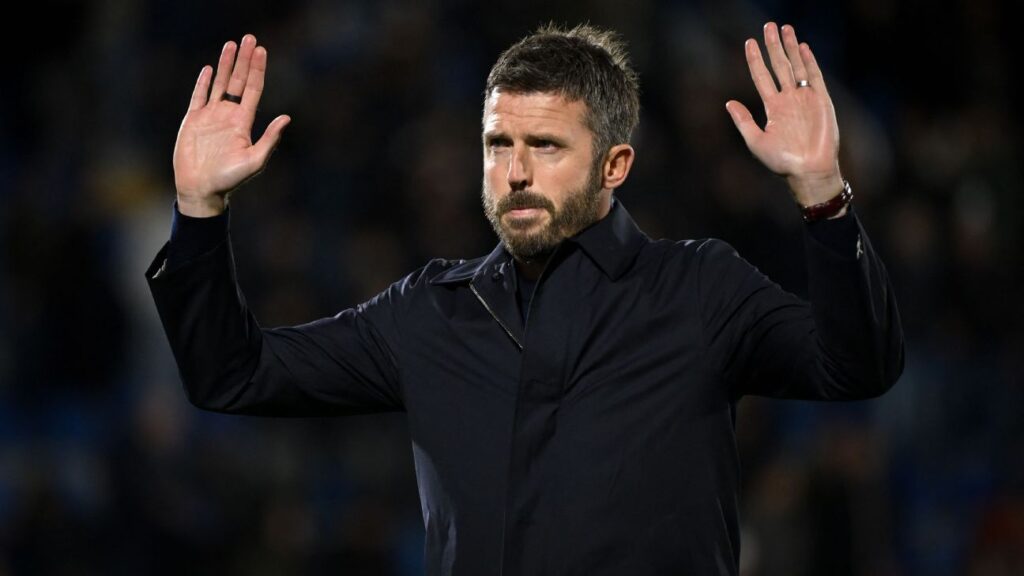
Manchester United 4-1 defeat to Como in 2026 Champions League: Carrick’s apology and what’s next
Background: a turbulent start for United and a new manager in charge
Manchester United entered the 2026‑27 season under a cloud of uncertainty after a chaotic summer of transfers, a shaky pre‑season and the sudden promotion of former midfielder Michael Carrick to head coach. The club’s board hoped that Carrick’s deep knowledge of United’s culture would restore stability, but early league results – a loss to Brighton and a draw with Newcastle – already hinted at deeper issues on the pitch.
Carrick, who spent over a decade as a player under Sir Alex Ferguson, inherited a squad in transition. Key signings such as Brazilian forward Gabriel Veron and English striker Tommy Conway struggled to adapt, while several senior figures, including Harry Maguire, left the club amid contract disputes. The lack of a clear tactical identity has left fans and pundits questioning whether the former midfielder can translate his on‑field vision into effective management.
The Champions League group draw placed United in a seemingly manageable group with Como, FC Copenhagen and Red Star Belgrade. Analysts warned that the Italian side, despite being newcomers, had a reputation for disciplined defending and quick counter‑attacks, but most expected United to dominate the home leg in Manchester. That expectation set the stage for the shock that unfolded in Como.
The Como shock: how a 4‑1 loss unfolded
On Wednesday night, United travelled to the modest Stadio Alberto Braglia in Como, a venue that seats just over 13,000 spectators. From the first minute, the Italian side pressed high, forcing United’s backline into uncomfortable positions. A swift goal by Como’s striker Andrea Cocco in the 12th minute gave the home side an early lead and rattled United’s confidence.
United’s response was sluggish. Mid‑field creativity, usually supplied by the likes of Bruno Fernandes, was missing, and the team struggled to retain possession. A second goal from Cocco just before half‑time made the deficit appear insurmountable. In the second half, United managed a consolation strike through Amad Diallo, but a late header by Como’s defender Marco Bianchi sealed a 4‑1 defeat that left the Red Devils visibly shaken.
After the final whistle, Carrick addressed the media, describing the performance as “unacceptable” and apologising to the supporters. He promised a “full review” of the tactical set‑up and hinted at possible changes to the starting eleven for the return leg. The apology, while sincere, did little to calm a fanbase already demanding answers.
Why the result matters beyond the scoreline
The loss does more than dent United’s confidence; it threatens the club’s position in the group stage. A 4‑1 defeat not only gives Como a three‑point advantage but also a superior goal difference, a factor that could prove decisive if the group remains tight. Financially, early elimination would mean a loss of roughly €30 million in UEFA distribution, a sum that could have been allocated to new signings or infrastructure projects.
From a strategic perspective, the defeat highlights a broader problem for elite European clubs: the difficulty of integrating young, unproven talent into high‑pressure environments. United’s reliance on players like Diallo, who still needs regular minutes to develop, contrasts with clubs that lean on seasoned internationals during crucial matches. The outcome may force United’s hierarchy to reconsider their recruitment model, perhaps shifting back toward proven, high‑profile acquisitions.
The result also reverberates in the Premier League table. United’s rivals, particularly Liverpool and Manchester City, have already secured points while United remains idle. A poor showing in Europe could compound domestic woes, making a top‑four finish – essential for future Champions League qualification – an increasingly distant goal.
African connections: players, markets and diaspora reactions
One of United’s most talked‑about African players, Ivory Coast winger Amad Diallo, was directly involved in the match, scoring United’s lone goal. His performance, though modest, sparked debate across African football forums about whether the club is providing sufficient support for its African talent. Analysts in Lagos and Accra argue that Diallo’s limited minutes reflect a broader pattern where African players are given high‑profile contracts but are not consistently trusted in key fixtures.
The defeat also impacts the commercial side of United’s African operations. The club’s partnership with South African broadcaster SuperSport, which reaches millions across the continent, hinges on the team’s success in Europe. A prolonged poor run could diminish viewership numbers, affecting advertising revenue and the value of future sponsorship deals with African brands such as MTN and Safaricom.
For the Nigerian and broader diaspora community in the UK, the loss has emotional weight. Many fans see United as a cultural bridge, and the club’s struggles have prompted calls on social media for more representation of African coaches and staff. The conversation mirrors a growing demand across European football for greater inclusion of African voices in decision‑making roles, a trend that could shape hiring practices in the next decade.
What’s next: possible routes for United and the wider football landscape
In the short term, United must decide whether to overhaul their tactical approach for the second leg. Sources close to the dressing room say Carrick is considering a more compact midfield, possibly dropping a forward for an additional defensive midfielder to counter Como’s counter‑attack. The club’s transfer window, which opens in January, may also see a flurry of activity, with rumors linking United to a seasoned centre‑back from Marseille and a veteran striker from the Saudi Pro League.
Long‑term, the loss could accelerate a strategic pivot away from Carrick’s experimental style. If United fails to progress, the board may feel pressured to appoint a manager with a proven European pedigree, a move that would align with the club’s historic preference for high‑profile appointments. Such a change would have ripple effects across the coaching market, potentially opening doors for African coaches who have been lobbying for top‑tier opportunities.
Finally, the broader narrative of an English giant being humbled by a small Italian club underscores a shift in European football’s competitive balance. Clubs from traditionally ‘minor’ leagues are investing heavily in scouting and analytics, narrowing the gap with the traditional powerhouses. For African footballers, this could translate into more diverse pathways to elite competition, as clubs like Como become attractive stepping‑stones for talent looking to break into the Champions League spotlight.
Quick Answers
What does Manchester United need to do to recover in the Champions League?
United must tighten their defence, possibly switch to a more compact midfield, and win the return leg by a large margin to offset the four‑goal deficit.
How does the loss affect African players at Manchester United?
It raises concerns about playing time and development for African talent like Amad Diallo, prompting calls for better support and consistent inclusion in key matches.
Will the defeat impact United’s revenue from African markets?
Yes, poorer European performance can lower viewership on African broadcasters, potentially reducing advertising income and the value of sponsorship deals on the continent.
Source: www.espn.com


💬 Comments 0