Manchester United fans throw tennis balls at Old Trafford match 2026, sparking debate on protest tactics and African fan impact
What happened at Old Trafford
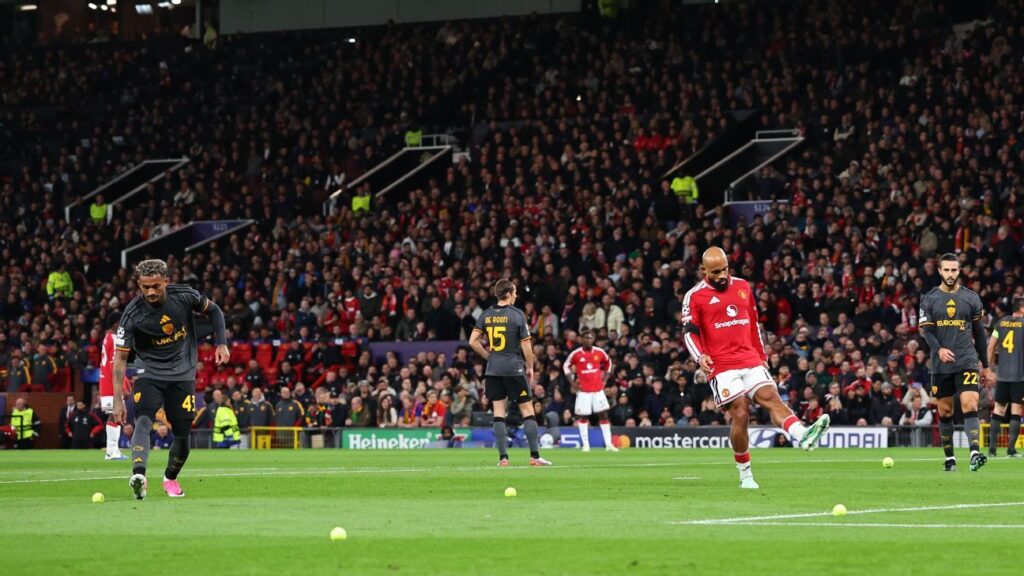
On November 4, 2026, a Manchester United home game against a European rival was interrupted when dozens of spectators launched tennis balls onto the pitch. The objects, harmless in themselves, forced the referee to stop play for several minutes while security cleared the field. Video footage quickly spread on social media, prompting a flood of memes and heated commentary about the motives behind the disruption.
Club officials later confirmed that the balls were thrown by a small, organised group of supporters protesting the club’s recent decision to increase ticket prices for the upcoming season. The protest was timed to coincide with a televised match, ensuring maximum exposure both domestically and among the club’s global fan base, which includes a sizable African diaspora.
Why the protest matters beyond the stadium
The incident is more than a quirky fan stunt; it highlights the growing power of supporters to influence commercial decisions in elite football. Ticket‑price hikes have already triggered backlash in several European leagues, but the tennis‑ball episode shows how fans can engineer a media moment without resorting to violence or vandalism.
For Manchester United, a club whose brand generates billions of dollars in merchandise sales across Africa, the protest could affect revenue streams that rely on a loyal fan base. African supporters, many of whom follow the team through satellite TV and online platforms, often purchase replica kits and pay for streaming subscriptions. A perception that the club is ignoring its supporters’ concerns may erode that willingness to spend.
Historical pattern of football protests
Throwing objects onto the field is a long‑standing form of protest in football, dating back to the 1970s when English fans used flour, eggs and even firecrackers to voice dissent over stadium safety and league governance. More recently, the “tifo” movement has turned stadiums into political stages, with fans displaying banners against racism, war, and corporate overreach.
African football fans have contributed to this tradition. In South Africa’s Premier Soccer League, supporters of Kaizer Chiefs have used coordinated chants and visual displays to demand better wages for players. Nigerian ultras have staged walk‑outs to protest the Nigerian Football Federation’s handling of the national team’s fixtures. These actions demonstrate that fan activism is a global phenomenon, not confined to Europe.
The African angle: diaspora, markets and club politics
Manchester United’s commercial footprint in Africa is among the deepest in world football. The club operates official fan zones in Lagos, Nairobi and Accra, and its partnership with African broadcasters accounts for a significant share of its international TV revenue. When a protest goes viral, it reaches those markets instantly, shaping opinions among fans who already invest heavily in the brand.
Moreover, the protest raises questions about the fairness of ticket‑price structures for overseas supporters. Many African fans cannot travel to England but pay premium rates for match‑day streaming packages that are bundled with club merchandise. A perceived disregard for affordability may prompt a shift toward rival clubs that position themselves as more fan‑friendly, potentially reshaping the competitive landscape of African football sponsorships.
Club response and what could happen next
Manchester United’s chief executive issued a statement acknowledging the fans’ right to express concerns, while also warning that repeated disruptions could lead to stricter stadium security measures, including bans on certain items and increased surveillance. Legal experts suggest that if the club pursues bans, it may face challenges under the UK’s Freedom of Expression laws, especially when the protest is non‑violent.
In the longer term, the incident may accelerate discussions within the Premier League about standardising ticket‑pricing policies and improving transparency. For African stakeholders, a more equitable pricing model could translate into higher engagement on the continent, bolstering both broadcast deals and grassroots development programmes that the club supports through its academy partnerships.
What fans and observers are saying
Social media reactions have been mixed. Some users praised the creativity of the tennis‑ball tactic, calling it a “peaceful yet attention‑grabbing” method. Others warned that such stunts risk normalising stadium disruptions and could endanger the safety of players and officials, even if the objects are harmless.
African commentators on football podcasts highlighted the need for clubs to listen to diaspora voices. According to a Nairobi‑based sports analyst, “When a club ignores the financial realities of its African supporters, it loses a loyal revenue stream and the goodwill that fuels its global brand.” This sentiment echoes a broader call for European clubs to adopt more inclusive pricing and fan‑engagement strategies.
Quick Answers
Why did Manchester United fans throw tennis balls onto the pitch?
They did it to protest a recent ticket‑price increase, aiming to generate media attention during a televised match.
How could this protest affect Manchester United’s business in Africa?
If fans feel ignored, they may cut back on merchandise purchases and streaming subscriptions, potentially reducing the club’s revenue from African markets.
Is throwing objects onto the field a common protest method in football?
Yes, fans worldwide have used objects like flour, eggs and banners to voice grievances, a tradition that dates back several decades.
Source: www.espn.com




💬 Comments 0