Manchester United granted day off after 4-1 Champions League thrashing by Como – what it means for the club and African fans
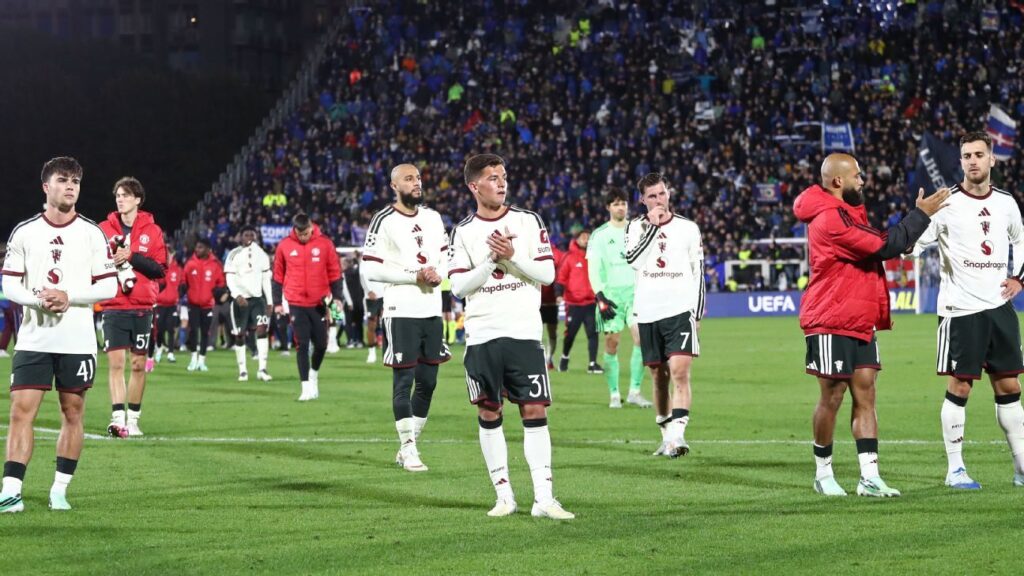
A humiliating night in Milan
On Tuesday night Manchester United travelled to the San Siro and were handed a 4-1 defeat by Serie A newcomers Como. The English side, who entered the match as overwhelming favorites, struggled to create clear chances and were punished by a disciplined Como defence that exploited every lapse. The loss not only knocked United out of the competition but also left fans and pundits questioning the tactical direction under Erik ten Hag.
The result was the heaviest defeat for United in a European competition since the 7-1 loss to Barcelona in 2011. It also marked the first time a club from the Italian second tier has eliminated a Premier League giant at this stage, a fact that has sparked endless debate across football forums. The margin of loss amplified concerns about the squad’s depth, especially after a congested winter schedule that saw key players missing through injury.
Beyond the scoreboard, the thrashing exposed a deeper malaise within the squad. Defensive errors, a lack of cohesion in midfield and an inability to finish clear-cut chances all pointed to systemic issues rather than an isolated off‑day. For a club that prides itself on a tradition of European success, the defeat was a stark reminder that the gap between expectation and performance can widen quickly.
Why United opted for a recovery day
According to sources cited by ESPN, the first‑team group was given Thursday off to recover after the loss. Ten Hag, who has been vocal about the importance of mental resilience, reportedly decided that a brief pause would prevent the defeat from spiralling into a confidence crisis. The move mirrors a growing trend among elite clubs that prioritize player well‑being over immediate training routines after traumatic results.
The decision also reflects a pragmatic understanding of modern sports science. Studies published by the Journal of Sports Medicine suggest that a 24‑hour mental break can reduce cortisol levels and improve subsequent performance. United’s medical staff, who have been closely monitoring the squad’s fatigue levels throughout the season, likely endorsed the day off as a safeguard against injury and burnout.
Critics, however, argue that skipping a training session could disrupt the tactical work required to rectify the problems exposed by Como. Former United captain Roy Keane, speaking on a post‑match interview, warned that “a day off is fine, but the players must come back sharper, not complacent.” The fine line between rest and loss of focus will be tested when the team reconvenes on Friday.
Champions League fallout and the club’s broader ambitions
The immediate consequence of the defeat is United’s elimination from the Champions League, a competition that accounts for roughly 30 % of the club’s annual revenue. Missing out on the group‑stage prize money, broadcast fees and match‑day earnings translates into a short‑term financial hit that could affect transfer budget allocations for the summer window.
From a sporting perspective, the loss forces United to reassess its season objectives. Without the European platform, the focus will shift entirely to the Premier League title race and domestic cup runs. Yet the psychological scar of a heavy European exit can linger, potentially influencing performances in the league where margins for error are equally thin.
The setback also intensifies scrutiny on the managerial hierarchy. Ten Hag’s contract, which runs until 2029, has already been the subject of speculation after a string of underwhelming displays. If United cannot quickly bounce back, the board may be compelled to consider structural changes, ranging from a reshuffle of the backroom staff to a more aggressive approach in the winter transfer market.
African fans, markets and the diaspora reaction
While the headlines dominate European media, the reverberations are felt across Africa and among the diaspora. United’s matches are among the most-watched Premier League fixtures on African satellite platforms such as SuperSport and DStv, generating significant advertising revenue for both the club and broadcasters. A Champions League exit reduces the number of high‑profile fixtures available for African audiences, potentially lowering viewership figures for the remainder of the season.
The club also has several players of African descent who could be indirectly affected. Right‑back Aaron Wan‑Bissaka, whose parents emigrated from Nigeria, has spoken in the past about representing the hopes of the African diaspora. A dip in United’s stature may impact his marketability and endorsement deals within African markets, where footballers often serve as brand ambassadors for telecoms, beverage brands and fashion labels.
Betting markets across the continent, which heavily rely on Premier League and Champions League odds, also feel the tremor. African bookmakers reported a surge in lay bets against United following the Como loss, indicating a shift in confidence among punters. Moreover, social media chatter from Lagos, Nairobi and Johannesburg shows a mixture of disappointment and a rallying call for the club to “respect the fans who support them from afar.”
What lies ahead for United
United will reconvene for training on Friday, and the first task for Ten Hag will be to restore belief in the squad. Tactical tweaks—such as a more compact defensive shape and a renewed emphasis on quick transitions—are expected to dominate the next training session. The manager may also rotate the squad to give fringe players a chance to prove themselves, a strategy that could unearth fresh energy for the upcoming Premier League fixtures.
The club’s next competitive challenge comes in the form of a home league match against Liverpool in early November. That encounter will serve as a litmus test for United’s ability to rebound from a humiliating European exit. A positive result could re‑ignite the season, while another stumble may deepen calls for a managerial overhaul.
In the longer term, United’s hierarchy will need to decide whether to invest heavily in new signings during the January window or to rely on internal development. The financial shortfall from missing Champions League revenue may force a more measured approach, potentially opening the door for academy graduates—some of whom hail from African backgrounds—to step into the first team. How the club navigates this crossroads will shape its narrative for the rest of 2026‑27.
Quick Answers
When will Manchester United resume training after the Como defeat?
United’s first‑team squad is scheduled to return to the training ground on Friday, after a Thursday day off.
How does the 4-1 loss affect Manchester United’s Champions League campaign?
The defeat eliminated United from the competition, ending their chance to earn group‑stage prize money and European exposure.
Which African‑linked players are in United’s squad and how might the loss impact them?
Right‑back Aaron Wan‑Bissaka, of Nigerian descent, is the most prominent African‑linked player; a dip in United’s profile could affect his endorsement opportunities in African markets.
Source: www.espn.com
💬 Comments 0