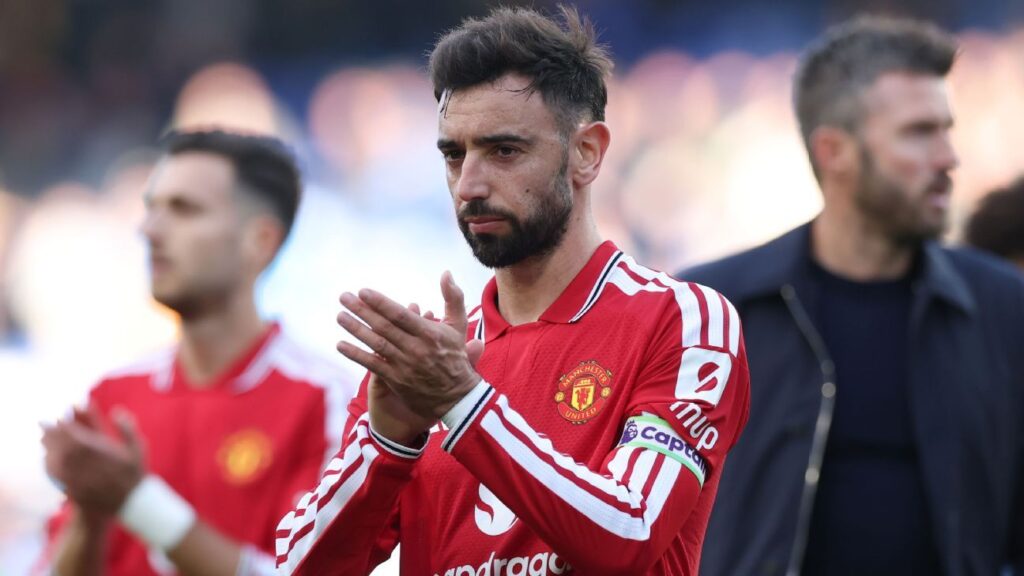
Manchester United’s 7‑point start under Erik ten Hag in 2026 sparks concerns for African talent pipeline and global broadcast revenues
Background: United’s high expectations versus early reality
When Erik ten Hag took charge of Manchester United in 2022, the club promised a swift return to the elite of English football. By the 2026‑27 season, United had splashed over £400 million on new signings, including several African prospects, and secured a lucrative three‑year broadcast deal that promised to boost viewership across the continent.
The optimism was palpable among fans and investors alike, especially after United’s pre‑season tour of Africa, where they played friendlies in Lagos and Nairobi, showcasing the club’s commitment to the African market. Yet, after seven league matches, the team has managed only seven points, a tally more typical of a relegation battle than a title contender.
This early slump has reignited debates about whether United’s recruitment strategy, heavy on big‑ticket signings, is sustainable. It also raises questions about how the club’s performance will affect its growing African fanbase and the broader ecosystem that relies on Premier League exposure.
Why the points drought matters for African players
Manchester United has long been a gateway for African talent into the Premier League, with stars like Paul Pogba (France‑born of Guinean descent) and Amad Diallo (Ivory Coast) serving as role models. The current under‑performance threatens to diminish the club’s appeal as a launchpad for emerging African stars, especially if United’s scouting network appears unable to translate potential into results.
Agents and academies across West Africa have noted a slowdown in United‑linked trials after the season began, citing concerns that the club may prioritize short‑term fixes over long‑term development. According to a report from African football outlet KickOff, several promising midfielders who were in talks with United have now been redirected to rivals like Liverpool and Chelsea, who are perceived to have more stable project trajectories.
If United’s form does not improve, the club could lose its edge in the fiercely competitive market for African talent. This would have ripple effects: reduced transfer fees for African clubs, fewer mentorship opportunities for young players, and a potential decline in the visibility of African footballers on the world stage.
Financial implications for African broadcasters and sponsors
The Premier League’s African broadcast rights are worth an estimated $1.2 billion annually, with United’s matches accounting for a substantial share of viewership. A string of lackluster performances can depress ratings, prompting advertisers to renegotiate rates or shift spend to more competitive leagues.
Data from media analytics firm Nielsen shows that United’s average audience in Sub‑Saharan Africa fell by 12 % after the first two months of the 2026‑27 season. Sponsors such as Betway and Pepsi, which have tied their campaigns to United’s brand, are reportedly reviewing their activation budgets, fearing reduced ROI on a platform that is no longer delivering high‑impact moments.
The financial strain could also affect grassroots initiatives funded by the club’s African outreach programs. United’s “United for Africa” charity, which supports youth football projects in Ghana and Kenya, relies partially on broadcast‑derived revenue. A prolonged dip in earnings may force the club to scale back these community investments.
Broader trend: Premier League clubs and the volatility of big‑money rebuilds
Manchester United’s slump is not an isolated case. Over the past five years, several top‑flight clubs have embarked on expensive rebuilds that have stalled, from Chelsea’s post‑2021 overhaul to Tottenham’s high‑profile signings that failed to deliver. Analysts point to a pattern where clubs gamble on marquee acquisitions without solidifying a coherent tactical identity.
For African stakeholders, this volatility translates into uncertainty. Players signed from African academies often become bargaining chips in larger transfer cycles, and inconsistent club performance can disrupt their development pathways. Moreover, the Premier League’s reputation as the premier showcase for African talent may erode if leading clubs continue to underperform after heavy investment.
The situation also fuels a strategic pivot among African football federations, which are increasingly looking to diversify exposure beyond the Premier League. Nations such as Nigeria and South Africa are negotiating more broadcast slots with the French Ligue 1 and the Saudi Pro League, leagues that have shown more consistent growth and are actively courting African markets.
What’s next? Potential scenarios and the road to recovery
If United can secure a win against a direct rival within the next three fixtures, momentum could shift, allowing ten Hag to integrate his African signings—particularly midfielder Amad Diallo—more confidently. Ten Hag himself hinted in a post‑match interview that tactical adjustments are underway, emphasizing a “more compact midfield” to protect the backline.
Conversely, a continued slide could trigger a mid‑season managerial review, a scenario that would further destabilize the club’s recruitment pipeline. Sources close to the board told The Athletic that the ownership group is already monitoring performance metrics closely, with a view to protecting the club’s commercial interests in Africa.
Regardless of the outcome, the next few weeks will be decisive for United’s relationship with its African audience. A resurgence would reinforce the club’s narrative of resilience and could revive sponsorship deals, while another downturn risks accelerating the shift of African viewership to alternative leagues that promise more competitive football.
Quick Answers
How many points has Manchester United earned after seven league games in the 2026‑27 season?
Manchester United have collected seven points from their first seven Premier League matches in the 2026‑27 campaign.
Why could United’s poor start affect African football prospects?
A weak United side may lose its allure as a destination for African talent, reducing transfer opportunities and limiting exposure for African players in the Premier League.
What impact might United’s slump have on African broadcast revenues?
Lower viewership of United matches can lead to reduced advertising rates and sponsorship spend, potentially cutting revenue for African broadcasters and community projects tied to the club.
Source: www.espn.com


💬 Comments 0