Maracanã to Host 2027 Women’s World Cup Opening Match and Final in Brazil – Impact on African Football
Why Brazil’s Maracanã Was Chosen
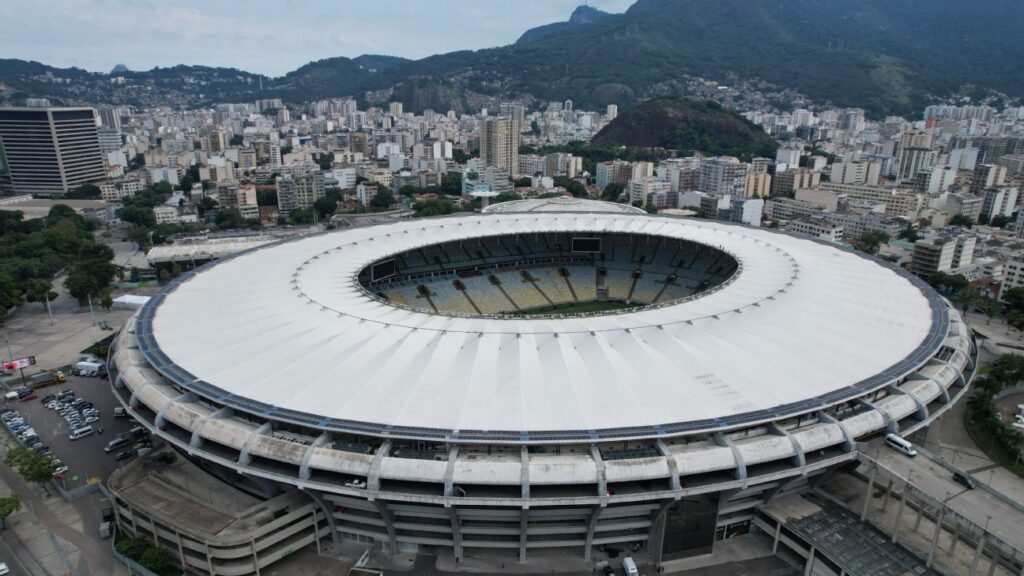
FIFA’s decision to stage the 2027 Women’s World Cup’s opening game and final at Rio’s Maracanã stems from a blend of legacy, capacity and commercial appeal. The stadium, which once held 200,000 fans for the 1950 men’s final, now seats over 78,000 and boasts modernized facilities that meet FIFA’s stringent standards for pitch quality, security and media infrastructure.
Brazil’s successful bid also leaned on its track record of delivering high‑profile tournaments, from the 2014 men’s World Cup to the 2016 Olympic Games. Organisers promised a “festival of football” that would showcase South America’s passion for the women’s game, a narrative that resonated with FIFA’s goal of expanding the sport’s global footprint.
According to a FIFA release, the Maracanã’s iconic status will help attract sponsors eager to associate their brands with a venue that symbolizes football heritage. The stadium’s location in Rio de Janeiro, a city with a thriving tourism sector, is expected to generate additional revenue streams from international visitors.
A Boost for Women’s Football in Africa
The choice of Maracanã carries particular significance for African nations, many of which are still fighting for equal investment in women’s football. CAF President Patrice Motsepe told reporters that the 2027 tournament “offers a platform for African teams to showcase their talent on the world stage, just as the men’s World Cup did in 2010.”
African qualifiers have already begun to benefit from the heightened visibility of the women’s game, with several West African federations announcing increased budget allocations for their women’s national squads. Nigeria’s Super Falcons, who have reached four Women’s World Cup finals, see the Rio venue as a chance to inspire a new generation of players back home.
Moreover, the tournament’s timing aligns with the launch of the CAF Women’s Champions League, set to expand to more clubs in 2027. The synergy between a high‑profile global event and a growing continental competition could accelerate professional pathways for African female athletes.
Economic and Broadcast Opportunities for the Continent
Broadcast rights for the 2027 Women’s World Cup are expected to fetch higher fees than previous editions, and African media houses are positioning themselves to capture a slice of that pie. Multi‑platform streaming giant Showmax announced plans to produce localized commentary in Swahili, Yoruba and Zulu, aiming to reach a broader diaspora audience.
Sponsorship deals are also on the rise. A recent report by Deloitte Africa highlighted that global brands are allocating up to 30% more budget to women’s sport sponsorships after the 2023 Women’s World Cup. Companies with strong African market presence, such as MTN and Safaricom, are likely to negotiate activation packages that tie their brand to the Maracanã final, leveraging the event for on‑ground community programmes.
Tourism operators in Nigeria, Kenya and Ghana have already begun packaging “World Cup travel” itineraries that combine match‑day experiences in Brazil with cultural tours. This could translate into a measurable uplift in outbound travel revenue for the continent, according to the African Development Bank’s tourism outlook.
Challenges and Criticisms Ahead of 2027
Despite the optimism, several concerns linger. Human‑rights groups have warned that Brazil’s recent political climate could affect fan safety and the treatment of migrant workers involved in stadium upgrades. Amnesty International called on FIFA to ensure that labour standards are upheld throughout the preparation phase.
African stakeholders also fear that the tournament’s commercial focus may sideline grassroots development. A coalition of women’s football NGOs in South Africa argued that “the legacy promises must include concrete funding for youth academies, not just stadium glamour,” as reported by Mail & Guardian.
Logistical hurdles, such as securing affordable flight routes for African supporters, remain a practical barrier. The African Airlines Association (AFRAA) is in talks with Brazilian carriers to negotiate group‑ticket discounts, but negotiations are still at an early stage.
Looking Ahead: What the Tournament Could Change
If the Maracanã finale delivers on its promise, the ripple effects could reshape women’s football across Africa. A successful, well‑attended final would likely persuade more broadcasters to allocate prime‑time slots to African women’s matches, accelerating the sport’s visibility on continental TV networks.
Long‑term, the event could catalyse policy shifts within African football federations. Several ministries of sport in West Africa have hinted at introducing gender‑equity clauses in future funding agreements, a move that could be triggered by the heightened scrutiny surrounding the 2027 World Cup.
Ultimately, the Maracanã’s global spotlight may serve as a catalyst for a new era where African women’s football enjoys parity in sponsorship, media coverage and fan support. As CAF’s technical director, Ousmane Diop, summed up, “The world will be watching Brazil, but the real story could be how African teams seize the moment and turn it into lasting progress.”
Quick Answers
When will the 2027 Women's World Cup opening match and final be played at the Maracanã?
The opening match is scheduled for July 10, 2027, and the final will take place on August 20, 2027, both at Rio de Janeiro’s Maracanã stadium.
How could the 2027 Women’s World Cup affect African women's football?
The tournament is expected to boost media exposure, attract sponsorship, and inspire investment in African women’s leagues and youth academies.
Will African fans be able to travel to Brazil for the World Cup?
Airline groups are negotiating discounted group fares, and travel agencies are already offering package deals for African supporters.
Source: www.espn.com




💬 Comments 0