Marco Rubio visits Ecuador, Colombia, Peru after right‑wing wins to strengthen U.S. ties
Background: A Right‑Wing Resurgence in Latin America
In recent years, several Latin American countries have elected leaders with strong nationalist and anti‑leftist platforms. Ecuador’s new president, Daniel Noboa, Colombia’s president, Gustavo Petro’s rival, and Peru’s newly elected government all signal a shift away from the left‑leaning administrations that had dominated the region for a decade.
This trend has drawn the attention of U.S. policymakers who view the spread of leftist ideology as a challenge to American interests and regional stability. The U.S. has historically supported democratic institutions and market‑friendly governments in the Western Hemisphere, but the recent wave of populist leaders has complicated that narrative.
What Happened: Rubio’s High‑Profile Tour
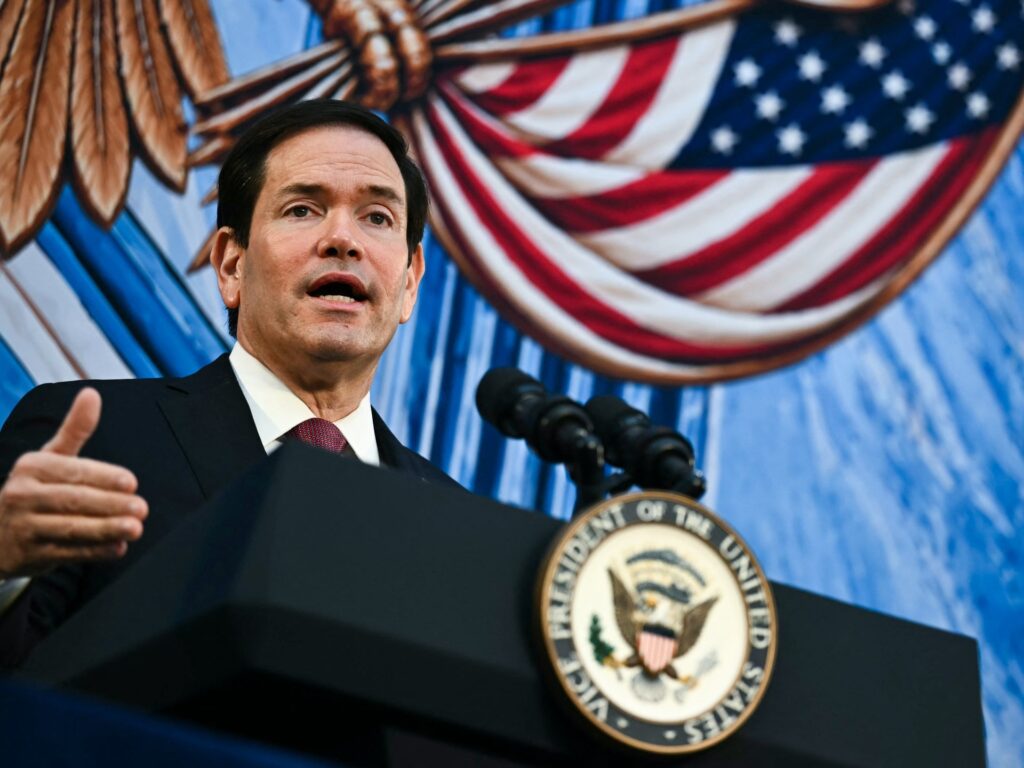
Senator Marco Rubio, a leading Republican and former presidential candidate, embarked on a three‑country tour that began in Quito, then moved to Bogotá and Lima. During the trip, he met with heads of state, defense officials, and business leaders, emphasizing the need for stronger security cooperation and trade agreements.
Rubio highlighted the U.S. commitment to countering drug cartels, citing a militaristic approach that includes intelligence sharing, joint operations, and capacity‑building for local law‑enforcement agencies. He also promoted the idea of expanding U.S. economic investment in the region, particularly in infrastructure and technology sectors.
Why It Matters: Implications for U.S. Foreign Policy
The visit signals a shift toward a more interventionist U.S. stance in Latin America, potentially increasing military presence and intelligence collaboration. This could reshape the balance of power in the hemisphere, with the U.S. positioning itself as the primary counterweight to left‑wing governments.
For African nations, the U.S. pivot may influence its global security agenda. Countries dealing with transnational insurgencies and drug trafficking might see new opportunities for U.S. support, especially if the military cooperation model is replicated in Africa. Conversely, the emphasis on militaristic solutions raises concerns about human rights and sovereignty that African governments will need to address.
Reactions: From Local Leaders to Global Observers
Ecuadorian President Daniel Noboa welcomed Rubio, praising the U.S. commitment to democratic values and economic growth. Colombian officials echoed similar sentiments, framing the partnership as essential for tackling the drug trade and regional instability.
Critics, however, warned that increased U.S. military involvement could exacerbate existing tensions and lead to civilian casualties. Human rights groups across Latin America called for transparency and accountability in any joint operations. International observers noted that the U.S. may be setting a precedent for its approach to security cooperation worldwide.
What’s Next: Potential Outcomes and Challenges
If the U.S. follows through on its promises, we could see a formal security framework that includes joint training exercises, intelligence sharing, and technology transfers. Trade agreements may also be negotiated, potentially opening new markets for both U.S. and Latin American businesses.
However, the success of these initiatives will hinge on political stability in the host countries, the willingness of local governments to accept foreign military presence, and the ability of the U.S. to maintain a balanced approach that respects human rights. The outcomes will likely influence how other regions, including Africa, engage with U.S. security and economic agendas.
Quick Answers
Why is Rubio’s visit to Latin America significant for the U.S.
It marks a strategic effort to strengthen ties with right‑wing governments and expand security cooperation, potentially reshaping U.S. foreign policy in the Western Hemisphere.
Could this U.S. approach affect African security strategies?
Yes, the militaristic model for countering drug cartels may serve as a template for addressing transnational crime and insurgencies in African nations.
What are the main concerns raised by critics of Rubio’s tour?
Critics fear that increased U.S. military involvement could lead to human rights abuses, civilian casualties, and a loss of local autonomy.
Source: www.aljazeera.com



💬 Comments 0