Mauricio Pochettino Manchester United link: Antonee Robinson says USMNT stay focused ahead of 2026 World Cup
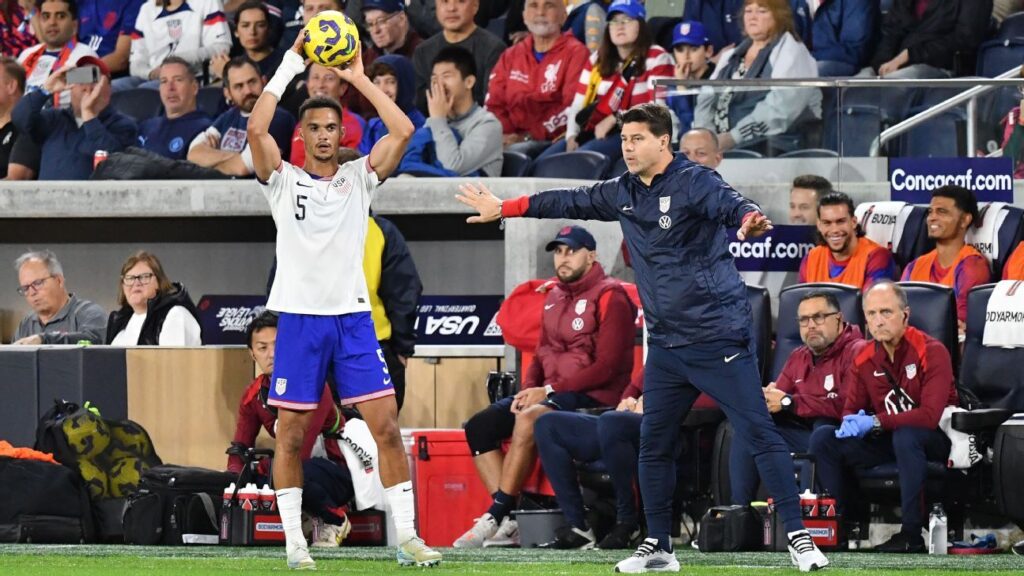
Background – Pochettino, the USMNT and the Manchester United chatter
Mauricio Pochettino, the Argentine‑born manager who lifted Chelsea to a Champions League final and now guides the United States men’s national team, has been the subject of intense speculation since the summer. Rumours linking him to the vacant Manchester United job have swirled across British tabloids and US sports sites, feeding a narrative that the world’s most valuable club could poach a coach still in the early stages of rebuilding a national side.
The United States, co‑hosts of the 2026 FIFA World Cup, are in a crucial preparation window. Pochettino took over in 2023 and has already overseen a shift toward a more aggressive pressing style, a move praised by pundits but still being tested in CONCACAF qualifiers. The timing of the Manchester United speculation – just weeks before the final round of qualifiers – has raised eyebrows about whether the coach’s attention could be divided.
Robinson’s reassurance – players keep their eyes on the prize
Full‑back Antonee Robinson, a regular starter for both club and country, addressed the rumours in a post‑match interview after the USMNT’s 2‑0 win over Honduras. He said the squad is “not distracted” and that the focus remains on the upcoming qualifiers and the long‑term goal of a strong showing at the 2026 World Cup. Robinson’s comments echo a broader sentiment among the players, who have repeatedly stressed unity and a single‑mission mindset.
Robinson’s reassurance matters because he is one of the few USMNT members with experience in Europe’s top leagues, having played for Fulham and later for a Premier League side. His perspective carries weight with younger teammates who look up to his professionalism. By publicly dismissing the speculation, he helps to quell any doubts that could seep into the dressing room and affect performance on the pitch.
Why the rumor matters for US soccer and the 2026 World Cup
If Pochettino were to leave before the tournament, the United States would face a massive coaching vacuum at a time when continuity is essential. A new manager would need to inherit a squad still adapting to Pochettino’s tactical nuances, potentially disrupting the development of a cohesive playing identity that the federation has been cultivating since the 2022 World Cup.
Beyond tactics, the coach’s departure could influence player selection. Pochettino has championed a blend of MLS talent and Europe‑based stars; a successor might favor a different balance, jeopardising the chances of emerging American prospects who have been groomed under his system. The ripple effect could also impact the commercial side of the sport, as sponsors and broadcasters bank on the narrative of a stable, progressive USMNT heading into the 2026 showcase.
From a broader perspective, the situation highlights the growing tension between national team commitments and club‑level ambitions for coaches. In recent years, high‑profile managers such as Didier Deschamps and Joachim Löw have faced similar pressure, but the United States now finds itself in a unique position because the 2026 World Cup will be on home soil, magnifying the stakes.
African‑American and diaspora implications – a community perspective
The USMNT’s focus has particular resonance for African‑American and African‑diaspora fans who see the national team as a vehicle for representation on the world stage. Players like Antonee Robinson, whose parents emigrated from Jamaica, and forward Jordan Morris, whose grandparents hail from Nigeria, embody a multicultural identity that mirrors the broader African diaspora in the United States.
A stable coaching environment can accelerate the integration of African‑born talent already plying their trade in MLS and lower‑division clubs. The league has seen a surge of African players – such as Ghanaian midfielder Thomas Partey’s brother, who recently signed with Austin FC – and their development is often tied to national‑team exposure. If the USMNT maintains continuity, these players are more likely to earn call‑ups, increasing visibility for African footballers in North America.
Moreover, the United States’ hosting duties for 2026 present commercial opportunities for African broadcasters and sponsors eager to tap into the massive American market. A well‑prepared USMNT, free from off‑field distractions, will likely draw higher TV ratings, which in turn benefits African media companies that have secured rights to stream matches across the continent.
A broader trend – European clubs eyeing national team coaches
Pochettino’s alleged Manchester United link is not an isolated case. In the past decade, clubs like Paris Saint‑Germain, Bayern Munich and Real Madrid have pursued national‑team managers, betting on their tactical acumen and global brand appeal. This trend reflects a shift in how elite clubs view managerial talent: success with a national side, especially one with a growing market like the US, can be a fast‑track to a high‑profile club appointment.
For African coaches, the pattern presents both a warning and a potential pathway. Coaches such as Aliou Cissé of Senegal and Hugo Broos of Cameroon have attracted interest from European clubs after leading their nations to deep tournament runs. While the allure of a top‑tier club is undeniable, the risk of abandoning a national project before a major competition can damage reputations back home, where continuity is prized.
The USMNT’s handling of the situation may set a precedent for how federations protect their coaching staff. By publicly supporting Pochettino and emphasizing player focus, US Soccer signals that speculation will not dictate internal decisions. This stance could encourage other federations – especially in Africa – to adopt similar policies, reinforcing the idea that national‑team stability outweighs short‑term club temptations.
What’s next – the road ahead for Pochettino and the USMNT
In the immediate term, Pochettino is expected to remain at the helm through the remaining CONCACAF qualifiers, which conclude in March 2027. The United States must secure a top‑three finish to guarantee a favorable group draw for the 2026 World Cup, and the coach’s tactical adjustments will be under the microscope.
If Manchester United’s interest materialises into a formal offer, the US Soccer Federation will likely negotiate a release clause or a compensation package, as it did when Pochettino left Chelsea for Tottenham in 2021. However, the federation’s public messaging, reinforced by player statements like Robinson’s, suggests they will resist any mid‑cycle departure that could destabilise the World Cup build‑up.
For fans and stakeholders across the African diaspora, the key takeaway is that the USMNT’s preparation will continue to influence not only the tournament itself but also the broader ecosystem of soccer talent flowing between Africa, the United States, and Europe. A focused, uninterrupted campaign could open doors for more African‑born players to showcase their abilities on the world stage, while a coaching shake‑up could stall that momentum.
Quick Answers
Is Mauricio Pochettino still the USMNT coach?
Yes, as of November 2026 Pochettino remains the head coach and is expected to lead the team through the 2026 World Cup qualifiers.
Did Antonee Robinson say the USMNT is distracted by Manchester United rumours?
No, Robinson publicly stated that the squad is not distracted and is fully focused on its upcoming matches.
How could a coaching change affect African players in MLS?
A new coach might alter selection criteria, potentially reducing opportunities for African‑born MLS players who have been integrated under Pochettino’s system.
Source: www.espn.com


💬 Comments 0