Mauricio Pochettino says no sanction can fix Manchester City FFP breach – what it means for the Premier League and African football in 2026
Background: City’s financial fair play saga
Manchester City’s alleged breach of the Premier League’s financial fair play (FFP) rules has been the subject of intense scrutiny since the 2023‑24 season, when the club’s accounts showed a significant gap between reported revenues and spending. The league’s investigation, led by a specialist panel, concluded that the club failed to meet the break‑even requirement by roughly £150 million, prompting calls for a points deduction, a fine, or even a transfer ban.
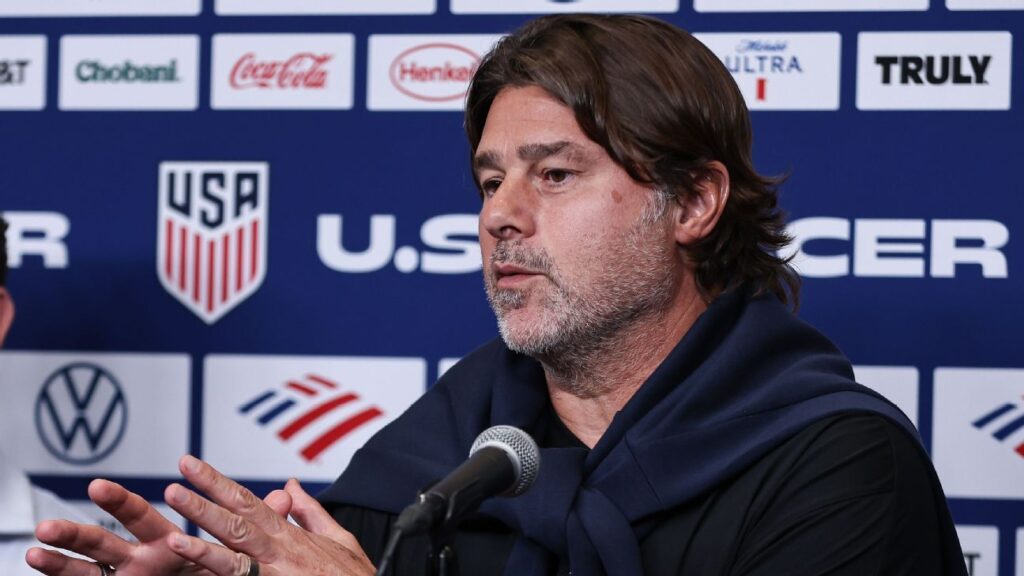
The controversy resurfaced this week after United States manager Mauricio Pochettino, now head coach of the US national side, weighed in on the issue during a televised interview. Pochettino, who previously managed Tottenham Hotspur and Southampton, described the situation as “very difficult” because any punishment would struggle to undo the competitive advantage City has built over the past decade.
Why Pochettino’s view matters
Pochettino’s comments carry weight for several reasons. First, his experience in the Premier League gives him a front‑row seat to the imbalance created when a club can outspend rivals without clear limits. Second, as a high‑profile figure now representing the United States, his perspective bridges two major football markets – Europe and North America – and highlights how the fallout could ripple beyond England’s borders.
According to a recent analysis by the sports‑finance firm Deloitte, the Premier League’s revenue distribution model already favours the top six clubs, and an unchecked City could widen the gap further, reducing the league’s overall competitiveness. Pochettino’s warning that “no punishment can repair the severe damage” underscores the fear that financial penalties alone may be insufficient to restore parity.
Implications for African players and clubs
African talent has long been a cornerstone of the Premier League, with more than 200 African‑born players featuring in the top flight during the 2025‑26 season. A financially dominant City can affect African players in two key ways. First, inflated wages and transfer fees set a market ceiling that smaller clubs – many of which scout heavily in Africa – struggle to meet, limiting opportunities for emerging stars to move to Europe on realistic terms.
Second, the Premier League’s global broadcasting deals, now worth over £9 billion annually, funnel a large share of revenue to the league’s biggest clubs. When those clubs dominate the competition, African broadcasters and sponsors receive less exposure, which translates into lower earnings for African media rights holders. This dynamic was highlighted in a recent report by the African Football Confederation (CAF), which warned that the financial health of several African leagues is indirectly tied to the competitive balance of Europe’s top leagues.
Broader pattern: Wealth vs. Fair Play across Europe
Manchester City is not an isolated case. Over the past five years, clubs backed by sovereign wealth funds or billionaire owners – such as Paris Saint‑Germain, Bayern Munich’s recent investors, and Saudi‑owned Al‑Hilal – have all faced scrutiny for potentially breaching FFP regulations. The common thread is a growing tension between the desire for clubs to attract elite talent and the governing bodies’ effort to keep competition equitable.
The European Super League proposal in 2024, which collapsed after fan protests, further illustrated how elite clubs were willing to sidestep existing governance structures to protect their financial interests. Pochettino’s remarks echo a broader sentiment among coaches and former players that the sport’s integrity is at risk if financial oversight cannot keep pace with the influx of capital.
What could happen next? Possible reforms and their impact on Africa
The Premier League has hinted at a “tiered” sanction system that could combine a modest points deduction with stricter monitoring of future accounts. Some analysts suggest that a more radical approach – such as a salary cap linked to club revenue – could level the playing field, but such measures would require agreement from the league’s powerful owners, a prospect many view as unlikely.
If the league adopts stricter controls, African players could benefit from a more open market where clubs are forced to scout talent based on merit rather than financial muscle. Conversely, a weak response could cement City’s dominance, making it harder for African prospects to break into top teams without a hefty transfer fee, and further marginalising African broadcasters that rely on diverse matchups for viewership.
Reactions from the football community and diaspora
Fans across the diaspora have taken to social media, with hashtags like #LevelTheLeague trending among Nigerian, Ghanaian, and South African supporters. In Lagos, a group of former Premier League players organized a live‑stream discussion on how FFP violations affect African talent pipelines. Meanwhile, former England midfielder Frank Lampard, now a pundit for Sky Sports, echoed Pochettino’s sentiment, calling the situation “a crisis of confidence for the league’s credibility.”
In the United States, where MLS clubs are increasingly looking to Africa for young prospects, the US Soccer Federation’s technical director, Anthony Hudson, said that any erosion of the Premier League’s fairness could indirectly influence MLS’s own recruitment strategies, as American clubs often benchmark salaries and scouting standards against England’s top tier.
Quick Answers
What specific FFP breach is Manchester City accused of?
The Premier League alleges City failed to meet the break‑even requirement by about £150 million, exceeding the allowed spending limit for the 2023‑24 season.
How could Manchester City’s alleged breach affect African footballers?
Higher wages and transfer fees set by City can limit opportunities for African players to move to Europe affordably and reduce broadcast revenue for African media rights holders.
What reforms are being discussed to prevent future FFP violations?
Proposals include a tiered sanction system, stricter future account monitoring, and, more radically, a salary cap tied to club revenue.
Source: www.espn.com




💬 Comments 0