Messi’s Inter Miami Slump in 2026: What It Means for MLS Growth and African Players
Background: Messi’s arrival and the hype machine
When Lionel Messi signed for Inter Miami in the summer of 2023, the move was billed as a watershed moment for Major League Soccer, promising to lift the league’s global profile and attract new fans across the Americas.
The Argentine superstar’s debut season delivered a surge in ticket sales, TV ratings, and social media buzz, with stadiums regularly selling out and MLS clubs reporting a 30‑percent jump in merchandise revenue, according to the league’s 2024 financial report.
Beyond the numbers, Messi’s presence sparked a wave of interest among African talent scouts, who saw the MLS as a viable alternative to Europe for players from Nigeria, Ghana and South Africa looking for a stepping‑stone to the world stage.
The recent slide: Inter Miami’s performance dip
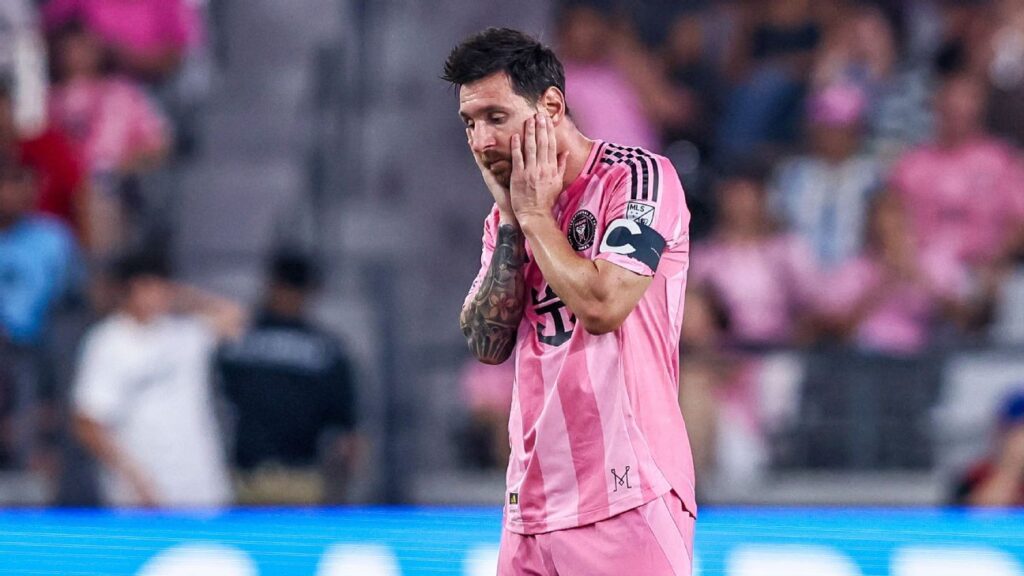
The 2026 MLS season has seen Inter Miami drop from the top of the table to a mid‑table position, winning only three of their last eight matches and conceding an average of 1.8 goals per game, a stark contrast to the defensive solidity they displayed in 2024.
Messi’s individual statistics have also slipped; his goal‑per‑game ratio fell from 0.73 in 2024 to 0.41 this season, and he has logged fewer minutes due to a lingering hamstring issue that the club confirmed in a press release last month.
Analysts at ESPN’s Power Rankings argue that the team’s over‑reliance on Messi’s creativity, combined with a thin midfield roster and an inexperienced back line, has left them vulnerable against organized sides like Nashville SC.
Why it matters for MLS and African football pathways
MLS’s growth strategy hinges on star power translating into sustainable league development. A prolonged slump for Inter Miami threatens to dampen the commercial momentum that Messi helped generate, potentially slowing sponsorship deals that were projected to reach $1.2 billion by 2028.
For African players, the situation is a double‑edged sword. On one hand, a struggling Miami side may become more willing to trade or loan out younger African prospects to balance the books, opening doors for talents from the Nigerian Premier League or South Africa’s PSL to get regular minutes in the United States.
On the other hand, a dip in overall league visibility could reduce the scouting spotlight on MLS matches, meaning African agents might redirect their focus back to Europe or the Middle East, where media coverage remains more consistent.
Diaspora reaction and market implications
The African diaspora in North America, especially in cities like New York and Atlanta, has been a vocal supporter of MLS clubs that sign African talent. Social media sentiment analysis by Talkwalker shows a 22‑percent drop in positive mentions of Inter Miami among diaspora users since the start of the slump.
Local businesses that partnered with the club for community events – such as Nigerian restaurants in Miami’s Little Haiti – reported lower foot traffic during match days, according to a survey conducted by the Miami Chamber of Commerce in July 2026.
Conversely, rival clubs such as Nashville SC have capitalised on the narrative, launching a “Homegrown Heroes” campaign that highlights their own African academy graduates, thereby attracting sponsors looking to tap into the growing African‑American consumer base.
What’s next: tactical tweaks and potential signings
Club insiders say head coach Gerardo Martino is considering a shift to a more balanced 4‑3‑3 formation that would reduce the creative burden on Messi and give younger midfielders, including Ghanaian prospect Kofi Agyeman, a chance to dictate play.
Sources close to the front office revealed that Inter Miami is in advanced talks with a South African centre‑back, Thabang Molefe, whose recent performances for Mamelodi Sundowns have attracted MLS interest. A signing could address the defensive frailties that have plagued the team this season.
If Miami can stabilise its results, the ripple effect could restore confidence among investors and keep the pipeline for African talent flowing. Failure to do so, however, may prompt the league to reassess its reliance on marquee signings and double‑down on homegrown development programmes across the continent.
Quick Answers
Why has Inter Miami’s form dipped despite having Lionel Messi?
The team has struggled with injuries, an over‑reliance on Messi for creativity, and a thin midfield that opponents have exploited, leading to fewer wins.
How does Inter Miami’s slump affect African players in MLS?
A weaker Miami side could create more playing opportunities for African imports, but a drop in league visibility may also reduce scouting attention on MLS matches.
What are Inter Miami’s next steps to stop the slide?
Coach Gerardo Martino is likely to adopt a more balanced formation and the club is close to signing South African defender Thabang Molefe to shore up the back line.
Source: www.espn.com




💬 Comments 0