Michael Carrick backs Manchester United to bounce back vs Atlético Madrid 2026 – impact on African fans and club’s future
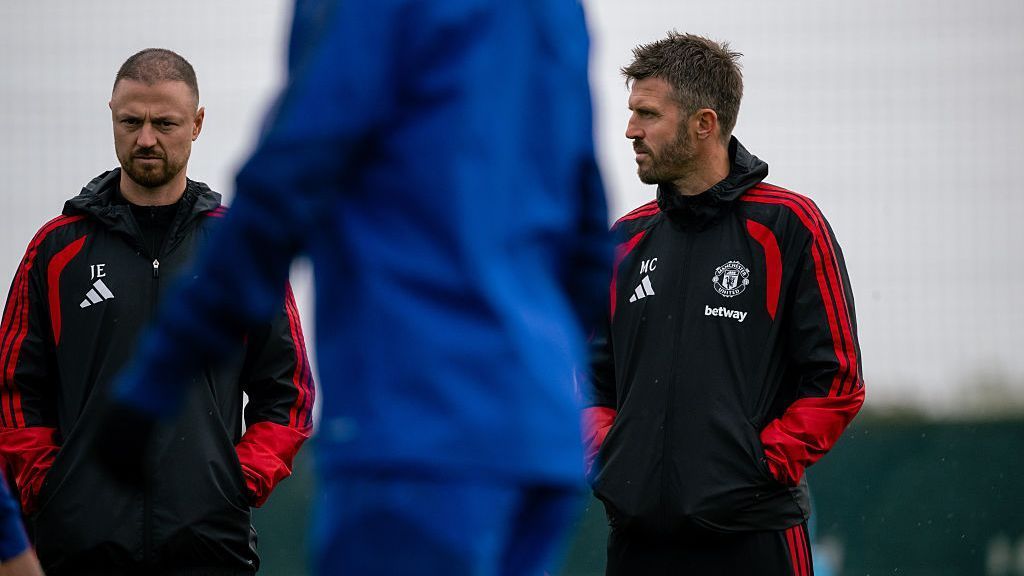
Recent form and Carrick’s reassurance
Manchester United have struggled to find consistency this season, dropping points in the Premier League and exiting the domestic cup early. The 49‑year‑old former captain, now part of the club’s coaching staff, stepped in after the loss to Liverpool to remind the squad that a Champions League tie can reset the narrative. He told Sky Sports that the team’s mindset is "challenging, stickier" but that the players have the quality to turn the tide, especially with the added motivation of a high‑profile opponent.
Carrick’s comments carry weight because he embodies the club’s recent transition from Sir Alex Ferguson’s era to a new identity. His credibility stems from a playing career that included two Champions League titles, and his voice is often used to calm nerves after a poor run of results. By publicly backing United ahead of the Tuesday fixture, he aims to shift the media narrative from criticism to cautious optimism.
The Atlético Madrid showdown
United travel to the Metropolitano for the first leg of their Round of 16 tie against Diego Simeone’s Atlético Madrid. The Spaniards have been defensively solid all season, conceding the fewest goals in La Liga, and they are known for grinding out narrow victories in European competition. United’s last meeting with Atlético in 2022 ended in a 2‑1 loss at Old Trafford, a result that still haunts the club’s recent European history.
The tactical battle will likely pit United’s high‑pressing, possession‑based approach against Atlético’s disciplined low block. Analysts at The Athletic predict that United’s success will hinge on how quickly they can exploit the spaces left by Simeone’s side when they commit men forward. The match also offers a platform for young African talent Amad Diallo, who hopes to showcase his speed and creativity on the continent’s biggest stage.
Why a rebound matters for United’s finances
Progressing to the quarter‑finals would bring an estimated €30‑million boost in UEFA prize money, a figure that could offset the club’s recent revenue dip caused by lower Premier League finishes. That cash is crucial for United’s long‑term strategy of investing in youth development and expanding its global commercial footprint, especially across emerging markets.
For African markets, the financial stakes translate into more televised matches, higher merchandise sales, and increased sponsorship activity. United’s partnership with South African broadcaster SuperSport, for example, is tied to the club’s visibility in the Champions League. A deeper run means higher viewership numbers, which in turn makes African advertisers more willing to invest in joint campaigns with the Red Devils.
African connections on and off the pitch
Beyond the financial angle, United’s squad includes Ivorian winger Amad Diallo, who was signed from Manchester City’s academy in 2023. Diallo’s involvement in the tie could inspire a new generation of African players who see a clear pathway to Europe’s elite clubs. His performances are closely followed by fans in Ivory Coast, Ghana, and the broader diaspora, who often use social media to rally behind him.
United also runs a football academy partnership in Johannesburg that scouts talent from across the continent. Success in Europe tends to amplify the academy’s credibility, attracting more local sponsors and giving young African prospects a stronger platform. Moreover, the club’s extensive merchandise network in Nigeria, Kenya and South Africa sees spikes in sales whenever the team reaches later stages of the Champions League, reinforcing the commercial loop between on‑field success and African consumer demand.
A broader pattern: English clubs, African talent and the UCL
Manchester United’s situation reflects a wider trend where Premier League giants rely increasingly on African talent to stay competitive. In the past five years, clubs such as Liverpool, Chelsea and Manchester City have built squads with a significant African component, and their Champions League performances have directly influenced scouting budgets on the continent. According to a 2025 report by the Confederation of African Football, European clubs that reach the last eight of the competition increase their African scouting spend by an average of 12 %.
The implication for United is two‑fold: a strong European showing justifies further investment in African academies, while a premature exit could force the club to look elsewhere for cheap talent. The pattern also underscores the growing importance of the diaspora fanbase, whose streaming numbers and match‑day attendance in London’s West African communities can sway club decisions on player recruitment and marketing focus.
What could happen next – scenarios and stakes
If United manage a positive result in Madrid – even a narrow loss with a valuable away goal – they will head back to Old Trafford with a realistic chance of advancing. Such an outcome would likely calm the media frenzy, give Carrick’s coaching staff breathing room, and trigger a surge in African viewership numbers that could be leveraged in future sponsorship talks.
Conversely, a heavy defeat could deepen the pressure on manager Erik ten Hag, potentially accelerating rumors of a managerial change that have been circulating since the start of the season. For African stakeholders, a loss would mean reduced exposure for players like Diallo, slower growth for the Johannesburg academy partnership, and a dip in merchandise revenue across the continent. The next few days will therefore shape not only United’s European destiny but also the economic and sporting linkages that bind the club to Africa’s football ecosystem.
Quick Answers
When does Manchester United play Atlético Madrid in the 2026 Champions League?
The first‑leg match is scheduled for Tuesday, October 15, 2026, at the Metropolitano Stadium in Madrid.
Which African player could feature for United in the tie?
Ivorian winger Amad Diallo, a United‑owned player, is expected to be in the squad and could start the match.
How does United’s Champions League progress affect African fans?
Advancing further boosts broadcast viewership on African networks, raises merchandise sales, and enhances sponsorship opportunities linked to the club’s African market.
Source: www.espn.com




💬 Comments 0