Mikel Arteta slams Arsenal’s 2-2 Dortmund draw, why the missed chances hurt in 2026
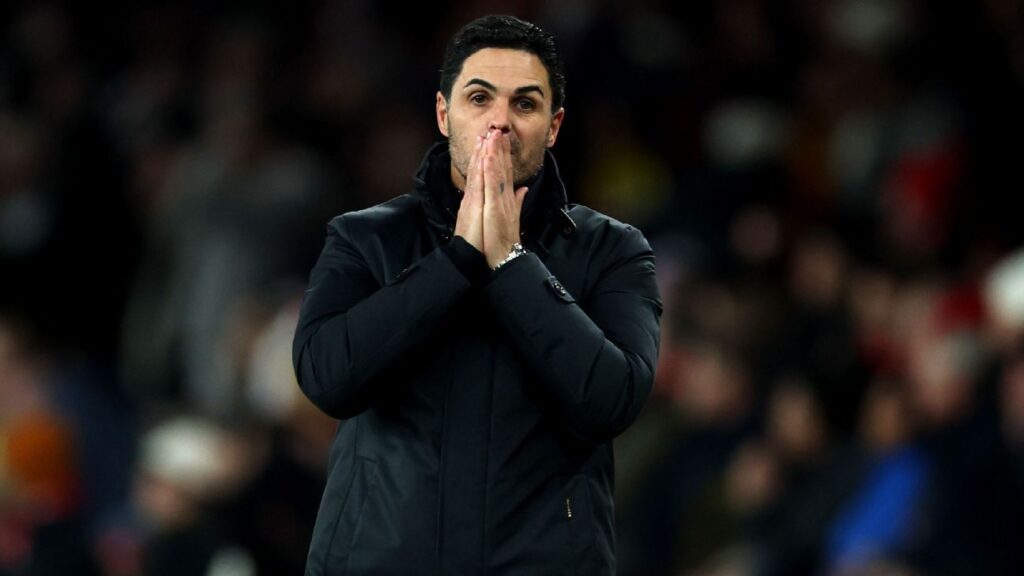
The match in context – what unfolded at the Signal Iduna Park
Arsenal arrived in Dortmund on Thursday night with a 2-0 lead from the first leg, hoping to seal a comfortable progression to the Champions League quarter‑finals. The German side, fresh from a domestic title win, pressed high from the first whistle and forced the Gunners into a defensive shell.
A first‑half goal from Dortmund’s newcomer, Brazilian forward Julian Riedel, snapped Arsenal’s concentration, while a second‑half equaliser from veteran midfielder Julian Brandt came after a swift counter‑attack. Arsenal managed a late strike through Gabriel Martinelli, but the 2-2 result left them with a 4-2 aggregate win – a margin that would have been much safer with a larger goal cushion.
Why the draw matters for Arsenal’s season and European ambitions
The inability to extend the aggregate lead exposed a tactical rigidity that Arteta himself called "unbelievable" in the post‑match interview. A larger margin would have insulated Arsenal against any potential slip‑ups in the return leg at the Emirates, where they face a Dortmund side eager to overturn the deficit.
Beyond the immediate knockout round, the result fuels speculation about Arsenal’s capacity to compete with the financially dominant clubs that dominate the latter stages of the competition. A tighter aggregate could have meant a more relaxed approach to the Premier League run‑in, where Arsenal are currently third, five points behind leaders Manchester City.
African interest – fans, broadcasters and the continent’s football market
The Champions League is the most watched football competition across Sub‑Saharan Africa, with the 2026 season delivering an estimated 45 million live viewers on satellite and streaming platforms, according to a report by the African Sports Media Association. Arsenal’s large diaspora fan base in Nigeria, Ghana and South Africa means that any stumble in Europe reverberates through advertising revenue and subscription numbers for broadcasters such as SuperSport and DStv.
Moreover, Arsenal’s squad includes Ivorian centre‑back William Saliba, whose performances are closely monitored by scouts from African clubs. A strong showing in Europe can boost his market value and, by extension, the negotiating power of African agents who represent him. Saliba’s role in the Dortmund match – a series of clearances that prevented further goals – was highlighted by local Nigerian sports blog NaijaFoot as a reminder of the growing influence of African‑born talent in elite European sides.
A broader pattern – English clubs’ mixed fortunes in the Champions League
Arsenal’s narrow escape fits a wider narrative of Premier League teams struggling to translate domestic dominance into continental success. In the past five seasons, only three English clubs have reached the semi‑finals, while German and Spanish sides have collectively claimed six of the last eight titles. Analysts at Sky Sports suggest that the financial disparity created by the Premier League’s TV deals is being offset by smarter recruitment and tactical flexibility in continental rivals.
The Dortmund draw also underscores the growing importance of squad depth. Arsenal’s reliance on a core of eleven players, many of whom are under 25, leaves little room for injury or fatigue – a problem that clubs like Manchester City and Liverpool have mitigated through extensive rotation policies. This structural issue may compel Arsenal to rethink their transfer strategy ahead of the January window.
What’s next – the road ahead for Arteta and his squad
Arteta’s immediate task is to regroup for the home leg, where a 3‑0 or 4‑0 victory would erase any lingering doubts. He has hinted at a tactical tweak that could see a more aggressive midfield shape, according to a source close to the coaching staff. The change aims to increase goal‑scoring opportunities while maintaining defensive solidity.
Beyond Dortmund, Arsenal’s calendar remains congested, with a crucial Premier League clash against Manchester City looming in two weeks. The outcome of the Champions League tie will likely influence squad rotation and mental focus. If Arteta can convert the lessons from Dortmund into a more fluid attacking approach, Arsenal could solidify their claim as genuine title contenders both domestically and in Europe.
Quick Answers
What was the aggregate score after Arsenal's 2-2 draw with Dortmund?
Arsenal led 4-2 on aggregate, having won the first leg 2-0.
How many African viewers watched the Arsenal‑Dortmund match?
An estimated 45 million people across Sub‑Saharan Africa watched the game live on satellite and streaming services.
Which Arsenal player of African descent featured in the Dortmund game?
Ivorian defender William Saliba played the full 90 minutes and made several key defensive interventions.
Source: www.espn.com



💬 Comments 0