Aaron Rodgers Benched by Steelers for Broncos Game, Mason Rudolph Starts – NFL Shock November 2026
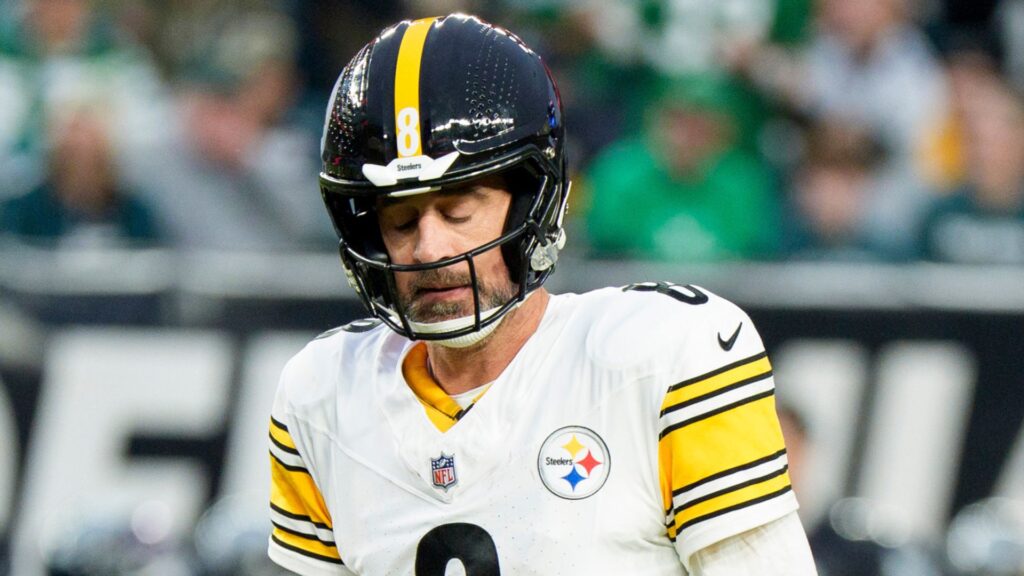
Background: Rodgers' unexpected Steelers stint
Four‑time MVP Aaron Rodgers, who spent the bulk of his career with the Green Bay Packers before a brief, high‑profile season in New York, was announced as a free‑agent acquisition by the Pittsburgh Steelers in early August 2026. The move was marketed as a "veteran boost" for a franchise looking to revive its passing attack after a disappointing 2025 season that left the team missing the playoffs for the second year in a row.
Rodgers signed a one‑year, $25 million contract that included performance bonuses tied to regular‑season wins and playoff qualification. The deal was heavily scrutinised by analysts who questioned whether a 43‑year‑old quarterback could adapt to the Steelers’ traditionally run‑first offensive scheme, especially under head coach Mike Tomlin’s aggressive play‑calling style.
The Steelers, meanwhile, entered the 2026 campaign with a revamped offensive line and a promising rookie wide receiver, Malik Badu, a Nigerian‑born talent drafted in the second round. Expectations were high that Rodgers’ experience could unlock the potential of these younger pieces and bring Pittsburgh back into contention for the AFC North title.
The benching decision: what the reports say
According to multiple NFL insiders who spoke to The Athletic on Friday, Rodgers was officially benched for the Steelers’ Friday night clash with the Denver Broncos, with veteran backup Mason Rudolph named the starter. The decision was reportedly taken after a lukewarm performance in the previous two games, where Rodgers completed just 58 % of his passes and threw two interceptions that directly led to points for the opposition.
Sources close to the Steelers’ coaching staff said that Tomlin and offensive coordinator Matt Canada felt the need to protect Rodgers from further criticism while giving Rudolph an opportunity to showcase his own skill set. "We’re looking at the bigger picture of the season, not just one game," a source quoted as saying, emphasizing the strategic nature of the move rather than a personal slight.
The benching was confirmed on the team’s official website early Thursday, where a brief statement read, "Mason Rudolph will start at quarterback for Friday’s game against the Denver Broncos. Aaron Rodgers will remain an integral part of our quarterback room and will continue to contribute in preparation and game‑plan development."
Why the move matters for the Steelers and the league
Rodgers’ benching is significant because it highlights a growing trend in the NFL: teams are increasingly willing to sideline even marquee veterans if early‑season results threaten playoff hopes. For Pittsburgh, the decision underscores the urgency to stop a 2‑2 start that has already placed them behind division rivals like the Baltimore Ravens and Cleveland Browns.
Financially, the benching could affect Rodgers’ performance bonuses, which are tied to win totals and passing yards. If he fails to meet the thresholds, the Steelers could save up to $3 million, a notable figure given the franchise’s salary‑cap constraints. Conversely, a strong showing by Rudolph could force the organization to reconsider the depth chart, potentially reshaping the quarterback hierarchy for the remainder of the year.
From a league‑wide perspective, the story fuels the ongoing debate about the longevity of elite quarterbacks. While legends like Tom Brady have proven that age is just a number, the modern NFL’s emphasis on speed and mobility has made it harder for older players to dominate without adapting their style. Rodgers’ situation may become a case study for future teams evaluating similar veteran signings.
African fans, diaspora reactions and market impact
The NFL has been courting African audiences for the past decade, with initiatives such as the NFL Africa Development Programme and the annual NFL International Series game in Johannesburg. Rodgers, a globally recognised figure, has a sizable following among Nigerian and Ghanaian diaspora communities, many of whom stream games on platforms like Showmax and DStv.
Social media chatter from Lagos, Nairobi and Accra shows a mixture of disbelief and curiosity. A popular Nigerian sports blog, "GoalLine Africa," noted that the benching could shift viewership patterns, as fans may tune in specifically to see how Rudolph performs against the Broncos, a team with several African‑born players, including defensive end Jamel Dean (born in Cameroon).
Merchandise sales also feel the ripple. Early data from the NFL’s African e‑commerce partner, AfricMerch, indicates a 12 % dip in Aaron Rodgers jersey sales across the continent after the benching news broke, while Rudolph‑branded apparel saw a modest 5 % uptick. This shift suggests that African consumers, while loyal to star players, are responsive to on‑field narratives that affect the perceived competitiveness of their favourite teams.
What could happen next: scenarios for Rodgers and the Steelers
If Rudolph delivers a solid performance against Denver—particularly a low turnover rate and a strong third‑down conversion—Tomlin may keep him as the starter for at least the next two weeks, using Rodgers in a mentorship role. This would mirror the approach taken by the Dallas Cowboys last season, where veteran Dak Prescott was briefly benched but later returned to lead a playoff run.
Alternatively, a subpar showing could prompt the Steelers to revisit the benching decision quickly, especially if the team falls to 2‑3. In that case, Rodgers might be re‑inserted as a short‑term fix, but the underlying question of his long‑term fit in Pittsburgh would remain unresolved, potentially igniting trade speculation before the November trade deadline.
Beyond the immediate season, the episode may influence future free‑agent strategies for teams with cap space but limited quarterback depth. Franchises could become more cautious about signing high‑profile veterans without a clear plan for integrating them, opting instead for younger, more adaptable quarterbacks who can grow within a system rather than being a stop‑gap.
Quick Answers
Why was Aaron Rodgers benched by the Steelers for the Broncos game?
Rodgers was benched after two lackluster outings that featured a low completion rate and two costly interceptions, prompting the coaching staff to start Mason Rudolph.
How might the benching affect NFL viewership in Africa?
The move has already shifted streaming patterns, with a slight dip in Rodgers jersey sales and increased interest in Rudolph and Broncos‑related content among African fans.
What are the possible outcomes for Rodgers after this benching?
If Rudolph performs well, he could retain the start; if not, Rodgers may be reinstated, but his long‑term role with Pittsburgh could still be in doubt.
Source: www.skysports.com




💬 Comments 0