Mount Etna ash forces Catania Airport shutdown, flights halted until Tuesday night 2026
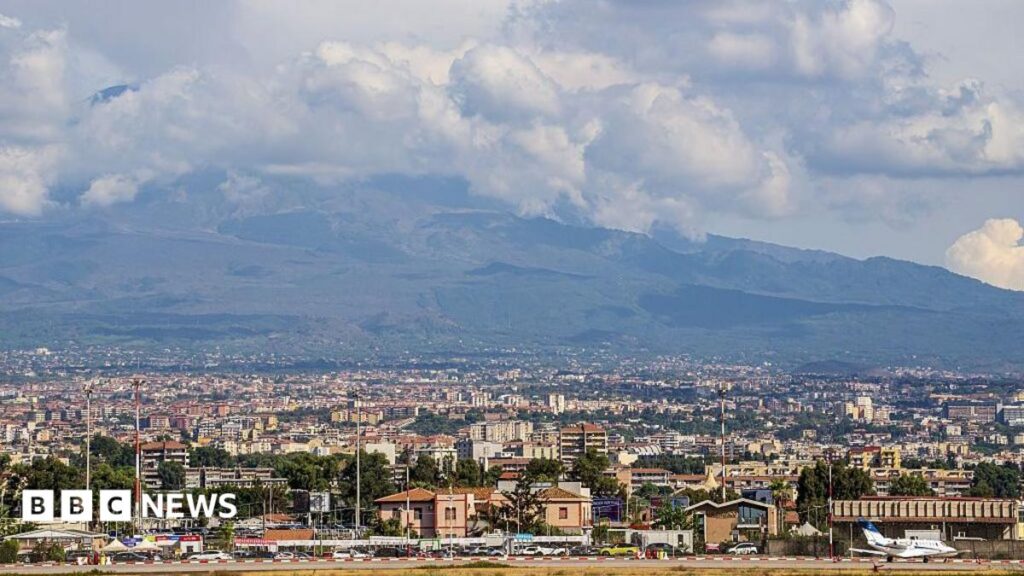
Mount Etna’s latest eruption: what triggered the ash cloud
On the morning of September 16, 2026, the eastern flank of Mount Etna erupted with a force that sent a dense plume of volcanic ash over the surrounding landscape. Seismic monitors recorded a series of tremors lasting about an hour before the vent opened, releasing ash that rose to an estimated altitude of 8,000 metres. Meteorological models showed the wind direction shifting to a southeastward flow, pushing the ash toward the eastern coast of Sicily where Catania–Fontanarossa Airport sits.
The eruption follows a pattern of heightened activity that experts attribute to a combination of magma chamber pressure and seasonal temperature changes. According to the Istituto Nazionale di Geofisica e Vulcanologia (INGV), Etna has entered a “high‑intensity” phase that typically lasts several weeks, during which multiple minor explosions can generate enough ash to disrupt air traffic. While the volcano is a tourist draw, its volatile nature continues to pose a recurring challenge for aviation safety in the region.
Volcanic ash poses a particular danger to aircraft because the fine particles can melt inside jet engines, forming glassy deposits that may lead to loss of thrust or engine failure. International Civil Aviation Organization (ICAO) guidelines require that any ash concentration above 2 milligrams per cubic metre triggers flight restrictions. Satellite data on September 16 indicated concentrations well above that threshold across the flight corridors approaching Catania.
Catania–Fontanarossa Airport shut down: immediate fallout
The Italian Civil Aviation Authority (ENAC) ordered an immediate suspension of all take‑offs and landings at Catania–Fontanarossa, Italy’s third‑largest airport, until Tuesday night. The decision affected roughly 150 scheduled flights, including domestic routes to Rome and Milan, as well as international services to London, Paris, and several North African capitals. Airlines such as ITA Airways, Ryanair, and EasyJet posted massive cancellation notices on their platforms within minutes of the alert.
Passengers stranded at the airport faced a chaotic scene: long queues for refunds, limited accommodation options, and a scramble by travel insurers to re‑book connections. The airport’s ground staff, working under emergency protocols, began redirecting cargo to nearby Palermo and Trapani airports to keep perishable goods moving. By late afternoon, the airport’s official website listed a projected reopening time of 22:00 on Tuesday, pending clearance from ENAC and updated ash concentration readings.
Air traffic controllers in the Palermo FIR (Flight Information Region) rerouted incoming flights to alternate Sicilian airports and, in some cases, to mainland hubs like Naples. The disruption also forced a temporary suspension of several cargo charters that service agricultural exporters in the fertile Etna foothills, threatening the timely shipment of citrus, olives, and wine to European markets.
Ripple effects on African travel and trade routes
Sicily remains a critical gateway for African migrants, tourists, and traders. The airport’s closure reverberated across the Mediterranean corridor that links North Africa with Europe. Many migrants from Libya and Tunisia rely on flights that land in Catania before they are transferred to NGOs or government processing centers. With the airport grounded, humanitarian agencies reported a backlog of arrivals, stretching already‑stretched reception facilities in the region.
Beyond human movement, the ash cloud disrupted freight lanes that carry African commodities to European consumers. For instance, a weekly cargo service that transports Tunisian dates and Moroccan argan oil through Catania was delayed, forcing shippers to reroute via the less‑frequented Lampedusa airport. This added logistical costs of up to 15 % per shipment, a burden that small‑scale exporters in the Maghreb argue could erode their competitive edge.
African diaspora communities in Italy, especially those based in Sicily’s urban centers, also felt the impact. Business owners who depend on weekly flights to bring family members from Lagos, Nairobi, or Accra had to postpone visits, while students enrolled in Italian universities faced missed lectures and potential visa complications. Social media threads from the diaspora highlighted a growing frustration with how natural‑disaster protocols often overlook the specific needs of transnational families.
Economic and tourism stakes for Sicily and the wider Mediterranean
Sicily’s tourism sector, which contributed roughly €7 billion to the regional GDP in 2025, relies heavily on the ease of access provided by Catania Airport. The abrupt shutdown coincided with the tail end of the summer high‑season, a period when the island traditionally welcomes over 2 million visitors. Hotel occupancy rates in Catania dropped by an estimated 30 % on the day of the eruption, according to a report from the Sicilian Tourist Board.
Local businesses that cater to inbound tourists—restaurants, car‑rental firms, and souvenir shops—reported immediate revenue losses. The Chamber of Commerce of Catania warned that a prolonged closure could push the seasonal recovery into a deficit, especially if ash fallout continues to affect road travel across the island. Moreover, the agricultural sector in the Etna region, famed for its vineyards and citrus groves, faces a double hit: delayed export flights and the risk of ash settling on crops, which could affect quality and yield.
The broader Mediterranean economy also feels the tremor. Shipping lanes through the Strait of Messina experienced a temporary slowdown as vessels awaited clearance to dock at Catania’s cargo terminals. Analysts at the European Bank for Reconstruction and Development (EBRD) noted that any disruption in Sicily’s logistics hub can ripple through supply chains that serve Southern Europe, the Balkans, and North Africa, underscoring the island’s strategic importance.
Looking ahead: aviation protocols and future risk management
The ENAC and ICAO are reviewing the incident to refine contingency plans for volcanic ash events. One proposal under discussion involves installing real‑time ash‑density monitoring stations around Etna’s perimeter, which would feed data directly to air‑traffic control systems. Such a network could enable more granular flight‑restriction zones, reducing the need for blanket airport shutdowns.
Airlines are also exploring insurance products that specifically cover volcanic‑ash disruptions, a niche that gained attention after the 2010 Eyjafjallajökull eruption in Iceland. According to a 2026 industry survey, only 12 % of European carriers currently hold dedicated ash‑risk coverage, a figure that experts believe will rise as climate‑change‑driven volcanic activity becomes more frequent.
For Sicily, the episode serves as a reminder that disaster preparedness must integrate both local and transnational dimensions. Municipalities are being urged to develop rapid‑response shelters for stranded travelers, while diaspora organisations are calling for clearer communication channels that address visa and travel‑document concerns during such emergencies. The hope is that a more coordinated approach will mitigate economic fallout and protect the millions who rely on Sicily’s air links each year.
Quick Answers
When are flights expected to resume at Catania–Fontanarossa Airport?
ENAC has slated a reopening for Tuesday night, September 17, 2026, pending clearance that ash concentrations fall below ICAO safety limits.
Which airlines were most affected by the ash‑induced shutdown?
Major carriers such as ITA Airways, Ryanair, EasyJet, and several charter operators had to cancel or divert flights.
How does the airport closure affect African migrants and diaspora travelers?
It delays migrant processing in Sicily, raises freight costs for African exporters, and forces diaspora families to postpone visits and risk visa complications.
Source: www.bbc.co.uk




💬 Comments 0