Netanyahu says Iran link to Dubai‑Tel Aviv flight attack unclear after pilot stabbing, 2026
Background: A rare in‑flight assault on a high‑profile route
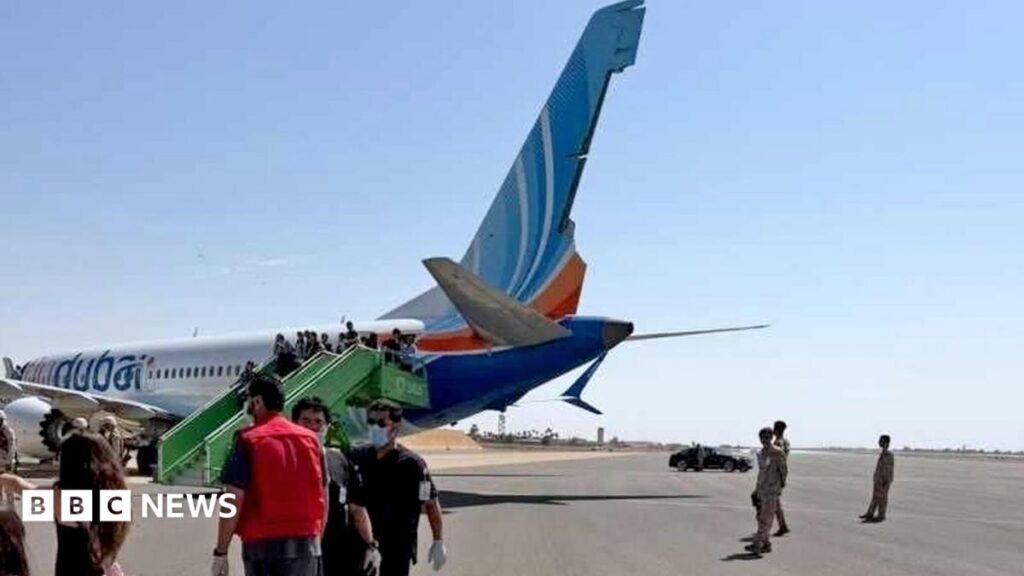
On 30 September 2026 a commercial flight that had taken off from Dubai bound for Tel Aviv was disrupted when a member of the cockpit crew allegedly stabbed a fellow pilot. The aircraft, operated by a Middle Eastern carrier, was forced to make an emergency diversion to Saudi Arabia where authorities opened a criminal investigation. Israeli Prime Minister Benjamin Netanyahu publicly noted the incident and stressed that no conclusive evidence links Iran to the attack at this stage.
The flight route – Dubai to Tel Aviv – has grown in importance over the past decade as tourism, business, and diaspora travel between the Gulf and Israel expanded following the Abraham Accords. The incident therefore attracted immediate attention from security agencies across the region, as well as from airlines that routinely schedule similar services.
What happened on board: The stabbing and its immediate fallout
According to statements released by Saudi aviation authorities, the suspect was a co‑pilot who, during a routine cabin check, attacked the lead pilot with a sharp instrument that later was identified as a pocketknife. The victim sustained non‑fatal injuries and was taken to a hospital in Riyadh for treatment. The flight was subsequently escorted to King Khalid International Airport, where the crew was detained for questioning.
Israeli officials, citing a preliminary report from the airline’s safety team, said the motive remains unknown. Some media outlets have suggested personal grievance, while others have hinted at possible extremist influence. Netanyahu’s comment that “it is too early to say whether Iran is involved” reflects the caution of intelligence services that are still gathering forensic evidence.
Regional security context: Heightened tensions and past precedents
The stabbing occurs against a backdrop of escalating geopolitical friction in the Middle East. Since the 2023 Israel‑Hamas war, Iran has been accused by Israel and the United States of orchestrating proxy attacks across the region, including drone strikes on civilian infrastructure. However, experts note that attacks on commercial aviation are comparatively rare, with the most notable recent example being the 2022 sabotage of a cargo plane in Tehran that was later linked to a state‑sponsored group.
Security analysts at the International Institute for Strategic Studies (IISS) argue that the incident could be a test case for more covert tactics aimed at disrupting the growing air connectivity between Gulf states and Israel. If a state actor were found responsible, it could trigger a wave of diplomatic protests and possibly stricter air‑space restrictions.
Implications for African travelers and airlines
A substantial number of African nationals—particularly from Nigeria, Kenya, and South Africa—use Dubai as a hub for onward travel to Israel for business, tourism, and religious pilgrimages. According to the United Nations World Tourism Organization, about 12 % of all passengers on the Dubai‑Tel Aviv corridor in 2025 were African citizens or residents.
The incident may prompt African carriers that lease aircraft or code‑share on Gulf routes to reassess security protocols. Insurance premiums for flights that pass through the Gulf to Israel could rise, affecting ticket prices for African travelers. Moreover, the perception of risk may discourage some diaspora members from booking direct flights, potentially shifting traffic to European hubs, which would impact tourism revenue for both Gulf and African economies.
International reactions: Diplomatic caution and aviation safety measures
The United Nations Civil Aviation Organization (ICAO) issued a brief advisory urging all member states to review cockpit security procedures, especially on flights that traverse politically sensitive airspace. The United States Department of State, while not confirming any Iranian involvement, called for “a transparent investigation and swift accountability.”
Saudi Arabia’s General Authority of Civil Aviation announced that it will cooperate fully with Israeli and international investigators. It also pledged to accelerate the rollout of new biometric screening technologies at its airports, a move that could set a precedent for other regional hubs.
What’s next: Investigations, possible policy shifts, and the road ahead
Saudi prosecutors have charged the suspect with attempted murder and terrorism‑related offenses, pending a trial that could extend into 2027. Parallel forensic teams from Israel, the United Kingdom, and the United States are expected to examine the weapon, video recordings, and any communications that might reveal a broader plot.
If evidence emerges linking a foreign state to the attack, the diplomatic fallout could be severe. Israel may seek to pressure Gulf partners to tighten security checks on crews, while the United Arab Emirates could face pressure from its own airline industry to balance safety with the economic benefits of the Israel‑UAE tourism corridor. For African stakeholders, the key watch‑point will be whether any policy changes translate into higher travel costs or reduced flight frequencies on the Dubai‑Tel Aviv axis.
Quick Answers
Who was the pilot accused of stabbing on the Dubai‑Tel Aviv flight?
Saudi authorities say the alleged attacker was a co‑pilot on the aircraft, while the victim was the lead pilot who survived after receiving medical treatment in Riyadh.
Has Iran been officially linked to the flight attack?
No official link has been confirmed; Prime Minister Netanyahu stated it is too early to determine Iran’s involvement.
How might the incident affect African travelers to Israel?
The incident could raise insurance costs and ticket prices on the Dubai‑Tel Aviv route, potentially prompting African passengers to choose alternative hubs or airlines.
Source: www.bbc.co.uk




💬 Comments 0