Netanyahu’s bloc wins 53 seats in Israel election 2026, still short of majority – what it means for Africa and the Middle East
Background: Israel’s political landscape before the vote
Israel’s parliamentary system has long been characterised by fragmented party lists and coalition‑building. The 2022 election saw Benjamin Netanyahu return as prime minister after a brief interlude, but his government relied on a narrow right‑wing coalition that struggled to pass key legislation.
Since then, public fatigue over repeated elections, the cost of living crisis, and the ongoing conflict in Gaza have reshaped voter sentiment. Netanyahu’s Likud party, traditionally the anchor of the right, entered the 2026 race with a promise to restore security and revive the economy, while courting ultra‑Orthodox and nationalist allies.
What the partial results show: 53 seats, but no outright control
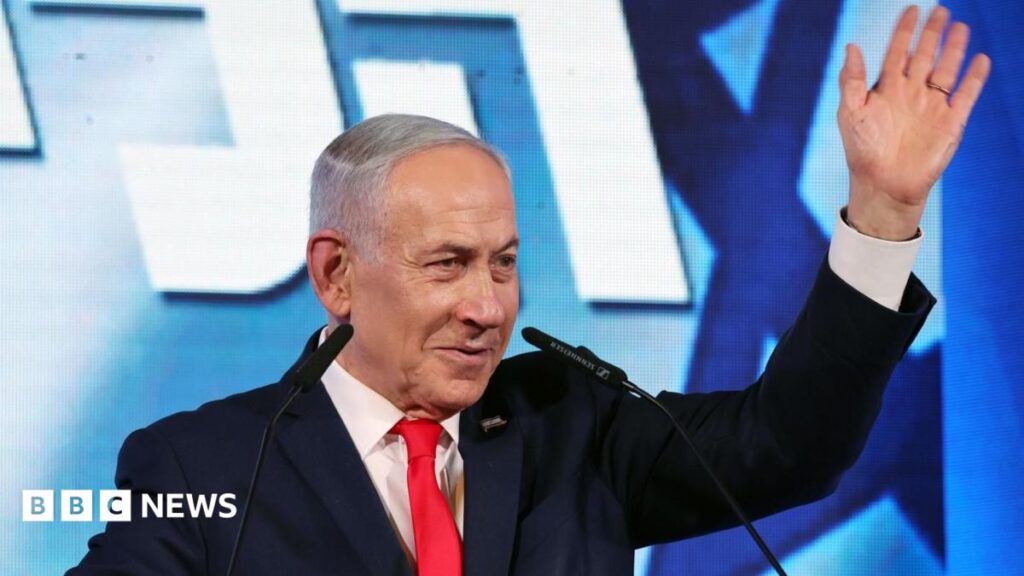
With 85 % of ballots counted, the Likud‑led bloc is projected to secure 53 seats in the 120‑seat Knesset, according to the Israeli Central Elections Committee. That figure includes Likud’s 32 seats plus 21 from coalition partners such as Shas, United Torah Judaism and the far‑right Otzma Yehudit.
The tally falls short of the 61‑seat threshold needed for a majority, meaning Netanyahu will have to negotiate with at least one additional party – possibly centrist Yesh Atid or the left‑wing Meretz – to form a stable government.
Why the outcome matters for Africa and the broader region
Israel’s foreign policy heavily influences the political calculus of several African states that maintain diplomatic ties, trade agreements, and security partnerships with Jerusalem. A coalition that leans further right could tighten cooperation on counter‑terrorism with countries such as Kenya, Ethiopia and Nigeria, where Israeli security firms already operate.
On the economic front, Israel is a major source of high‑tech investment for African start‑ups. A government focused on expanding its technology export agenda may accelerate joint ventures in fintech, agritech and water‑management, sectors that are critical for the continent’s development goals outlined in the African Union’s Agenda 2063.
Conversely, a more hard‑line stance on the Palestinian issue could strain Israel’s relations with nations that support the Palestinian cause, such as South Africa and Algeria. Those states have, in recent years, used diplomatic pressure to push for greater African participation in UN resolutions condemning Israeli settlement expansion.
Reactions from the Israeli diaspora and African communities
Jewish communities across the United States, Europe and Africa have responded with a mixture of optimism and caution. Leaders of the African Jewish diaspora in South Africa and Ethiopia welcomed the prospect of a steady government, citing concerns over security and the need for continuity in bilateral projects.
Human‑rights NGOs based in Nairobi and Accra warned that a coalition dependent on ultra‑Orthodox parties might divert budgetary resources toward religious subsidies, potentially limiting funds for regional development aid that Israel channels through its African liaison offices.
What’s next: coalition talks, policy priorities and African stakes
Netanyahu is expected to begin informal talks within the next week, seeking a partner that can bridge the gap to 61 seats. Analysts at the Jerusalem Institute for Strategic Studies say the most likely candidate is Yair Lapid’s centrist Yesh Atid, which could bring a moderate agenda on judicial reform and a willingness to keep existing African‑Israeli trade accords intact.
If a coalition emerges, the first policy battles will revolve around the national budget, defence spending, and the contentious judicial overhaul that sparked massive protests in 2023. For African investors, the outcome will signal whether Israeli venture capital will continue to flow into the continent’s burgeoning tech hubs, especially in Lagos, Nairobi and Kigali.
Should negotiations stall, Israel could face a caretaker government that delays major foreign‑policy decisions. In that scenario, African states might pause joint initiatives until a clear direction is set, potentially slowing the momentum of projects such as the Israel‑Kenya solar‑grid partnership launched in 2024.
Quick Answers
How many seats did Netanyahu's bloc win in the 2026 Israeli election?
The Likud‑led bloc is projected to hold 53 of the 120 Knesset seats.
Why does the election result matter for African countries?
Israel’s security and tech partnerships with Africa could deepen or strain depending on whether the new coalition pursues a hard‑right agenda or a more centrist, cooperative approach.
What are the next steps for forming an Israeli government after the election?
Netanyahu must negotiate with at least one additional party to reach the 61‑seat majority needed for a stable coalition, likely targeting centrist groups such as Yesh Atid.
Source: www.bbc.co.uk



💬 Comments 0