Netherlands reverses Eurovision boycott over Israel participation 2026 – impact on artists
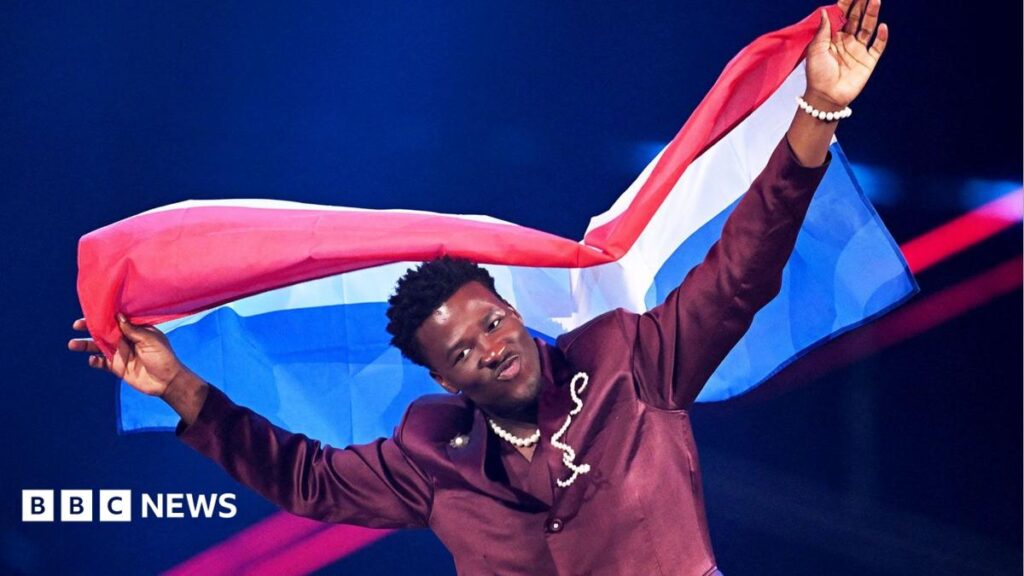
Background: Eurovision, politics and the Dutch track record
The Eurovision Song Contest, founded in 1956, has long been billed as a celebration of music that transcends borders. Yet the competition has repeatedly become a stage for geopolitical disputes, from Cold‑War rivalries to more recent cultural boycotts. The Netherlands, a founding member, has taken both sides of the aisle: it hosted the contest in 1970 and 2021, but also withdrew in 2022 when a Dutch‑based artist refused to sing alongside an Israeli act, citing the Gaza war. That episode set a precedent for how Dutch broadcasters might use Eurovision as a diplomatic lever.
Dutch public broadcaster AVROTROS, which manages the country's Eurovision entry, has a history of navigating delicate political terrain. In 2023 the network faced criticism for airing a performance that featured a flag resembling the Palestinian colors, prompting a heated debate in the Dutch parliament about cultural neutrality. The 2026 decision to pull out – and then reverse that pull‑out – must be read against this backdrop of mounting pressure from both pro‑Israel lobby groups and human‑rights advocates.
The reversal: what happened and why the broadcaster changed its mind
On 15 October 2026 AVROTROS announced it would not send a Dutch act to the May 2027 Eurovision in Liverpool, citing “sensitivities” surrounding Israel’s continued participation amid the ongoing Gaza conflict. The statement referenced a surge in public petitions and a coalition of NGOs that warned the broadcaster would be complicit in normalising a state accused of war crimes. Within 48 hours, however, the decision was rescinded after a meeting with the Dutch Ministry of Culture and a flurry of private sponsorship offers that promised to offset any reputational damage.
Sources close to the broadcaster say the reversal was driven by a combination of financial realities and diplomatic calculations. The Eurovision slot brings in advertising revenue estimated at €12 million for Dutch television, a figure that would be lost if the country stayed out. Moreover, the Ministry warned that a full boycott could strain the Netherlands’ broader cultural exchange agreements with the European Broadcasting Union (EBU), potentially jeopardising future co‑productions with other member states.
Why it matters: cultural diplomacy, artists and the African diaspora
The episode underscores how cultural events like Eurovision have become proxy battlegrounds for foreign policy. By pulling back, a nation signals its stance on international conflicts without resorting to formal sanctions. For Dutch artists, the reversal means the difference between a platform that reaches an audience of over 180 million and a missed opportunity that could stall careers. Several emerging musicians of African descent, such as Ghanaian‑Dutch singer‑songwriter Nana Ama, had already been shortlisted for the national selection, hoping to showcase a blend of Afro‑beat rhythms and Dutch pop sensibilities on a global stage.
For the African diaspora in the Netherlands, Eurovision is more than a televised spectacle; it is a rare moment when European media spotlight includes non‑European musical influences. The potential exclusion of a Dutch act featuring African rhythms would have sent a discouraging signal about the market’s appetite for such cross‑cultural collaborations. Community leaders in Rotterdam and Amsterdam have therefore welcomed the reversal, arguing that the contest can serve as a bridge between European audiences and the growing Afro‑European music scene.
A broader pattern: politicisation of music festivals worldwide
The Dutch Eurovision saga mirrors a growing trend where music festivals become arenas for political expression. In Africa, the AfriMusic Expo in Nairobi faced calls for boycotts in 2025 after a headline sponsor was linked to a controversial mining project. Similarly, South Africa’s Cape Town Jazz Festival saw artist withdrawals over the Israeli‑Palestinian conflict, prompting organizers to adopt a “neutrality clause” for future editions. These incidents reveal a global shift: artists, audiences and sponsors are increasingly demanding that cultural platforms take clear ethical stances.
What sets Eurovision apart is its institutional structure. The EBU, a public‑service consortium, has a rule that all member broadcasters must allow any participating country to compete, regardless of political disputes. This clause has been tested before, most notably when Russia was barred in 2022 after its invasion of Ukraine. The Dutch episode shows that even when the EBU’s framework remains unchanged, individual members can still wield influence through participation decisions, creating a ripple effect that other continents are beginning to feel.
Reactions: from Dutch citizens to African community voices
Public opinion in the Netherlands is split. A poll conducted by the Dutch Institute for Public Opinion on 20 October 2026 found that 46 % of respondents supported the initial boycott as a moral stand, while 38 % argued that cultural events should remain apolitical. Among younger voters, especially those with immigrant backgrounds, the sentiment leaned heavily toward participation, with 62 % saying the platform offered a valuable chance for representation.
African community organisations in the country issued statements praising the broadcaster’s decision to stay in the contest. The African Diaspora Council in The Hague noted that “Eurovision offers a rare window for African‑European artists to reach a pan‑European audience, and withdrawing would have silenced a growing cultural voice.” Meanwhile, Israeli cultural officials expressed relief, calling the reversal “a reaffirmation of the contest’s spirit of inclusion.”
What’s next: implications for Eurovision, Dutch media and African artists
Looking ahead, the Dutch broadcaster faces a delicate balancing act. It must now manage heightened scrutiny from both pro‑human‑rights groups and commercial partners eager for high‑viewership numbers. Analysts predict that AVROTROS will likely incorporate a stronger “social responsibility” clause into its selection process, potentially requiring contestants to address humanitarian themes in their entries, a move that could benefit artists with activist backgrounds.
For African‑European musicians, the episode may act as a catalyst for greater collaboration. Industry insiders suggest that record labels are already scouting for talent that can blend Afro‑beat, Kwaito and Dutch pop, aiming to capitalize on Eurovision’s massive exposure. If the Dutch entry succeeds, it could inspire other European broadcasters to embrace more diverse line‑ups, thereby opening doors for African diasporic artists across the continent.
Quick Answers
Why did the Netherlands initially decide to pull out of Eurovision 2027?
AVROTROS cited sensitivities over Israel’s participation amid the Gaza conflict and pressure from human‑rights groups.
How could the Eurovision decision affect African‑European artists?
Staying in the contest preserves a high‑profile stage where African‑European musicians can showcase their music to a global audience.
What does the reversal mean for the future of political boycotts in cultural events?
It shows that financial and diplomatic considerations can outweigh political pressures, but the trend of politicising festivals is likely to continue.
Source: www.bbc.co.uk


💬 Comments 0