Nigerian Navy hands over 9 suspected stowaways from MT EVGENIA to Immigration, 2026
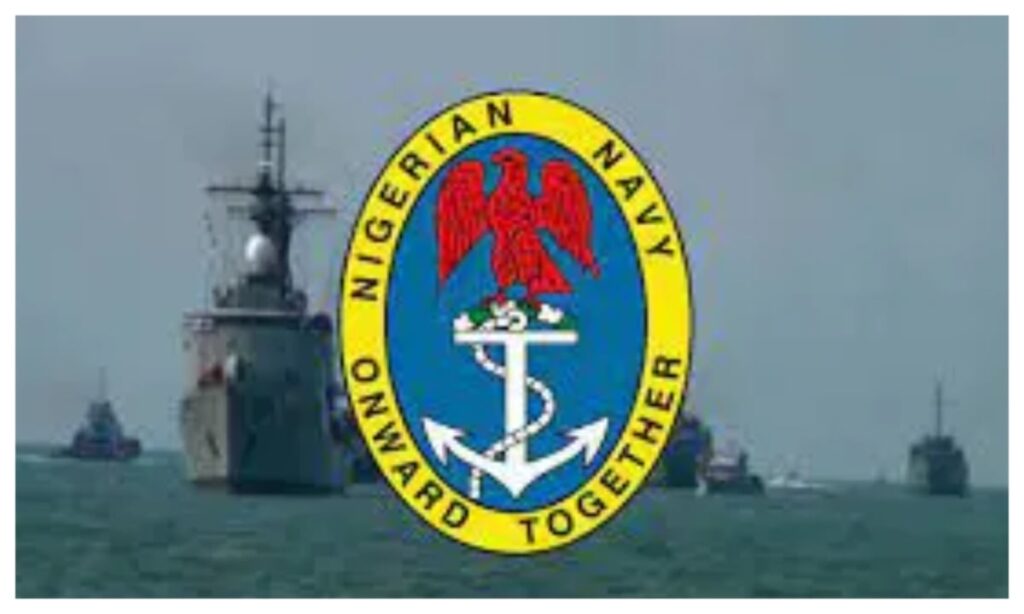
Stowaways and maritime migration: a West African reality
The practice of hiding aboard commercial vessels, known as stowaway travel, has long been a low‑profile route for people seeking to cross borders without the paperwork or money required for legal migration. In West Africa, the Gulf of Guinea’s busy shipping lanes intersect with overland migration corridors, creating a niche that human‑smuggling networks exploit. While the numbers are hard to verify, NGOs such as the International Organization for Migration estimate that dozens of individuals attempt this perilous journey each month, often facing dehydration, suffocation or violent encounters with crew members.
Nigeria, with its extensive coastline and the world’s fourth‑largest maritime domain, sits at the centre of these dynamics. The country’s ports handle more than 30 million tonnes of cargo annually, making them attractive targets for smugglers who embed migrants among legitimate freight. The Nigerian Navy, tasked with anti‑piracy and maritime security, has increasingly been called upon to intervene in cases that blur the line between security operations and immigration enforcement.
The MT EVGENIA rescue: how nine suspects were intercepted
On Friday, the navy frigate NNS Beecroft responded to a distress call from the merchant vessel MT EVGENIA, which was transiting the Lagos‑Cotonou corridor. According to a statement released by Commodore A. Adams‑Aliu, navy personnel discovered nine individuals concealed in a cargo hold that had been sealed for the voyage. The stowaways were rescued alive, though reportedly suffering from mild dehydration and shock.
After medical triage on board the Beecroft, the navy transferred the individuals to the Nigeria Immigration Service (NIS) at the Apapa port. The NIS is now responsible for processing the cases, which could involve detention, deportation or referral to the Ministry of Humanitarian Affairs for possible asylum assessment. The navy’s quick hand‑over underscores a growing protocol where maritime security forces act as first responders, while immigration authorities take over the legal adjudication.
Legal and security implications for Nigeria’s authorities
The hand‑over highlights a dual‑track challenge for Nigeria: safeguarding its maritime trade routes while upholding international migration law. Under the United Nations Convention on the Law of the Sea, coastal states must prevent their waters from becoming safe havens for illegal migration, yet they also have obligations to protect the human rights of rescued persons. The navy’s involvement therefore carries both a security mandate and a humanitarian dimension.
For the Immigration Service, processing stowaways raises questions about capacity. In 2024, the NIS reported a backlog of over 2,000 pending cases linked to irregular maritime entry, straining detention facilities and legal resources. Critics, including the Human Rights Watch Nigeria office, warn that without clear procedural safeguards, detained migrants risk prolonged confinement and limited access to counsel. The recent incident could prompt a review of inter‑agency protocols to ensure that rescued individuals are screened promptly and fairly.
Regional ripple effects: trafficking networks and diaspora concerns
The MT EVGENIA episode is not an isolated incident; it is part of a broader pattern of smuggling routes that stretch from Ghana’s coast through Nigeria to Europe’s southern shores. Intelligence shared by the Economic Community of West African States (ECOWAS) suggests that organized crime rings are increasingly using cargo ships as “floating caravans” because they attract less scrutiny than smaller fishing boats. Each successful interception, like this one, disrupts a revenue stream for these networks, but it may also push traffickers to adopt more sophisticated concealment methods.
For the Nigerian diaspora, especially those in the United Kingdom and the United States, the story resonates on a personal level. Many families have relatives who have attempted perilous sea crossings, and the visibility of naval interventions can either reassure communities that the state is taking action, or fuel anxiety that stricter enforcement could lead to harsher treatment of undocumented migrants abroad. Community organisations are therefore urging the government to pair enforcement with robust repatriation‑assistance programmes that address the root causes of irregular migration, such as unemployment and insecurity in the Niger Delta.
What’s next: policy shifts and the future of maritime migration control
In the wake of the rescue, the Ministry of Defence announced plans to equip more patrol vessels with thermal imaging and biometric scanners, technologies that can detect hidden passengers before a ship leaves port. The move aligns with a 2025 bilateral agreement between Nigeria and the European Union that pledges increased maritime surveillance in exchange for development aid targeted at coastal communities.
At the same time, civil‑society coalitions are lobbying for a legislative amendment that would create a specialized maritime immigration court, streamlining the adjudication process for stowaways and reducing the current bottleneck at NIS facilities. If passed, the law could set a precedent for other Gulf of Guinea nations grappling with similar challenges. The outcome will likely influence how regional bodies like ECOWAS coordinate anti‑smuggling operations and protect the rights of vulnerable migrants.
Quick Answers
What happened to the nine suspected stowaways rescued from MT EVGENIA?
They were medically treated on the navy ship NNS Beecroft and then handed over to the Nigeria Immigration Service for processing.
Why is the Nigerian Navy involved in immigration matters?
The navy patrols Nigeria’s busy shipping lanes and is tasked with preventing illegal migration and human‑smuggling aboard commercial vessels.
How could this incident affect future maritime migration policies in Nigeria?
It may accelerate the rollout of advanced detection equipment and spur legislative reforms for faster, rights‑based processing of stowaway cases.
Source: dailypost.ng


💬 Comments 0