Nike to Replace Adidas as UEFA Champions League Ball Supplier from 2027 Season – What It Means for African Football
Background: A historic partnership ends
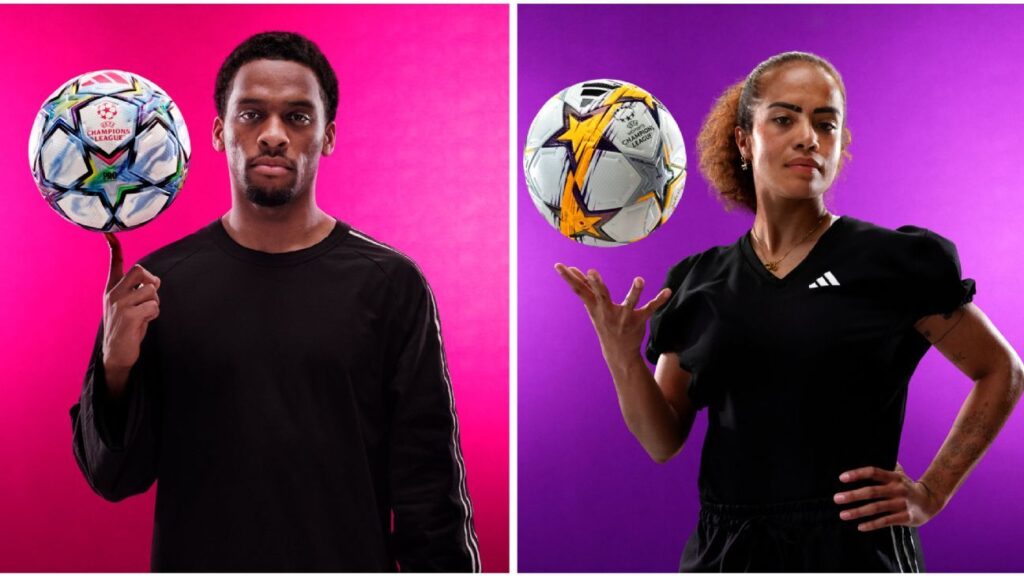
Since the 2000‑01 season, Adidas has been the official ball supplier for the UEFA Champions League, delivering the iconic ‘star’ ball that became synonymous with Europe’s elite club competition. The partnership, renewed several times over two decades, has seen the ball evolve from the classic Tango to the latest Flight ball, each iteration boasting new panel geometry and aerodynamics. This season, UEFA announced that Nike will take over the contract starting in the 2027‑28 campaign, ending Adidas’s 27‑year run.
The decision follows a competitive bidding process that UEFA conducts every few years to maximise commercial revenue. Nike’s bid reportedly outstripped Adidas’s by a significant margin, reflecting the growing importance of the Champions League brand in the global sports market. While the exact financial terms remain confidential, sources close to the negotiations say the deal could be worth upwards of €150 million over its four‑year span.
Why the change matters beyond the pitch
A new ball supplier does more than alter the visual aesthetic of the match; it reshapes the technology that influences ball flight, player performance, and even broadcast graphics. Nike’s latest ‘Aerowave’ prototype incorporates a seamless surface and a patented micro‑textured coating designed to reduce drag and maintain a more predictable trajectory in varying weather conditions. Early testing with European clubs suggests a slightly higher swing speed, a factor that could affect shooting accuracy and set‑piece routines.
Beyond performance, the switch signals a broader shift in football’s commercial ecosystem. Adidas has traditionally leveraged its Champions League contract to promote its broader football line, including boots, apparel and youth kits. Nike’s entry opens the door for fresh marketing narratives, such as integrating digital tracking chips into the ball—a technology already trialled in the Premier League. These innovations could eventually filter down to grassroots levels, especially in regions where equipment costs have historically been a barrier.
Implications for African markets and the diaspora
Africa is a burgeoning market for football merchandise, with the continent accounting for an estimated 20 % of global football kit sales, according to a 2025 report by PwC. Nike’s new role as Champions League ball supplier aligns with its aggressive expansion strategy across the continent, including new flagship stores in Lagos, Nairobi and Johannesburg. The company has already secured multi‑year deals with several African national teams and top clubs, such as Al Ahly and Kaizer Chiefs, positioning itself to capitalize on the heightened visibility of its Champions League ball.
For African players who regularly compete in the tournament—think of Mohamed Salah, Sadio Mané or Riyad Mahrez—the ball switch could have tangible effects on their game. Players often comment on how subtle differences in ball feel influence their confidence when taking penalties or executing long passes. If Nike’s ‘Aerowave’ delivers the promised consistency, it could benefit players who rely heavily on precision, potentially impacting their market value and transfer negotiations.
Moreover, the diaspora community, which avidly follows the Champions League, will encounter the new ball through streaming platforms and local sports bars. Nike’s marketing campaigns frequently feature African influencers and musicians, a trend that could see the ball’s design incorporate cultural motifs or limited‑edition colorways celebrating African heritage. Such collaborations not only boost sales but also reinforce the narrative that African football is an integral part of the global game.
Connecting the dots: A pattern of brand turnover in elite sport
The transition from Adidas to Nike mirrors a wider pattern in elite sport where major governing bodies rotate suppliers to keep revenue streams fresh and to inject technological innovation. Similar switches have occurred in the NFL, NBA and even cricket’s ICC World Cup, each time sparking debates about performance impact and commercial motives. Analysts note that these cycles often coincide with the rise of digital fan engagement tools, such as augmented‑reality experiences that can be embedded in the ball’s branding.
In the African context, the pattern underscores the continent’s growing bargaining power. Football federations across Africa have begun to demand more than just equipment—they seek co‑branding opportunities, grassroots development funds, and localized production. Nike’s recent pledge to invest €30 million in youth academies across Sub‑Saharan Africa, announced alongside the Champions League contract, suggests that suppliers now view the African market as a strategic partner rather than a peripheral audience.
What’s next: Anticipating the 2027‑28 Champions League season
The first official unveiling of Nike’s Champions League ball is slated for a high‑profile event in Zurich later this year, where UEFA will showcase the new design alongside a promotional video featuring African artists and football legends. Fans can expect limited‑edition replicas sold through Nike’s online store, with a portion of proceeds earmarked for community football projects in Ghana and Senegal, according to a statement from Nike’s Africa division.
Coaches and technical staff are already planning how to integrate the new ball into training regimes. Some clubs have arranged early‑season testing sessions to gather data on ball behaviour under different pitch conditions—a practice that could become standard as the technology gap narrows. For African clubs that qualify for the group stage, the exposure to Nike’s equipment may also influence their own sponsorship negotiations, potentially prompting a wave of new kit deals across the continent.
Quick Answers
When will Nike start supplying the Champions League ball?
Nike will become the official ball supplier for the UEFA Champions League starting with the 2027‑28 season.
How could the new Nike ball affect African players in the Champions League?
If Nike’s ‘Aerowave’ ball delivers a more consistent flight, it may improve shooting accuracy and passing for African players who rely on precision, possibly influencing their performance and market value.
Will the ball design include any African-themed elements?
Nike has hinted at limited‑edition colourways and collaborations with African artists for the 2027‑28 ball, aiming to celebrate African football culture.
Source: www.espn.com




💬 Comments 0