Nollywood Star Taiwo Hassan ‘Ogogo’ Buried Aug 24 2026 – Legacy and Industry Impact
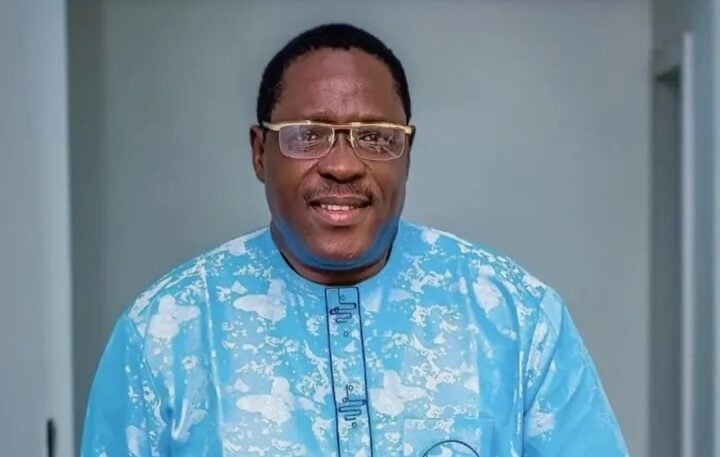
A Life on Screen: Ogogo’s Decades‑Long Contribution to Nollywood
Taiwo Hassan, better known by his stage name Ogogo, entered the Nigerian film scene in the early 1990s and quickly became a household name thanks to his commanding presence and versatile acting style. Over a career that spanned more than three decades, he appeared in over 150 titles, ranging from low‑budget Yoruba dramas to high‑profile English‑language productions that helped push Nollywood onto the global map. His trademark deep voice and ability to portray both comic and tragic roles made him a go‑to actor for directors seeking gravitas on screen.
Beyond the screen, Ogogo invested heavily in nurturing new talent, often hosting workshops in his hometown of Ilaro and providing mentorship to younger actors navigating the industry’s fast‑paced growth. According to a 2024 interview with The Guardian Nigeria, several current Nollywood stars credit him for teaching them the fundamentals of screencraft and professionalism, a legacy that continues to ripple through the industry’s talent pipeline.
His influence also extended into the business side of filmmaking. As a co‑founder of a modest production house, he championed fair payment practices for crew members at a time when informal contracts were the norm. This advocacy contributed to the gradual formalisation of payment standards that are now echoed in the Actors Guild of Nigeria’s latest code of conduct.
The Sudden Passing and Immediate Burial under Islamic Custom
Ogogo died on August 23, 2026, at the age of 68, reportedly from a sudden cardiac arrest while at his residence in Ilaro, Ogun State. Family members, adhering to Islamic burial law, arranged for his interment within 24 hours, a practice that is both a religious requirement and a cultural norm in many parts of southwestern Nigeria where Islam is prominent. The burial took place at the Asade Agunloye Pavilion, a venue commonly used for community gatherings and funerals in the region.
The funeral prayer (Salat al-Janazah) was led by Imam Abdulrahman Olanrewaju, who reminded attendees of the Prophet’s teaching that a swift burial is a sign of respect for the deceased. Sources close to the family said that the body was washed, shrouded in a simple white cloth, and placed directly into the ground without a coffin, following the Sunni tradition practiced by the majority of Ogun State’s Muslim population.
While the rapid timeline limited the presence of some out‑of‑state colleagues, the event was streamed live on local social media platforms, allowing fans and diaspora members in the United Kingdom, United States, and South Africa to pay their respects in real time. This digital participation highlighted how technology is reshaping mourning rituals for prominent cultural figures across Africa.
Why the Timing Matters: Cultural, Legal, and Industry Implications
The decision to bury Ogogo within a day of his death underscores the tension between traditional religious observances and the modern entertainment industry’s demand for extended public mourning periods. In recent years, several Nigerian celebrities have opted for multi‑day memorials to maximise media coverage and generate revenue through televised tributes. Ogogo’s family’s adherence to Islamic law, however, set a clear precedent that religious duty can outweigh commercial considerations, a stance that resonated with many religious communities across the country.
Legally, the swift burial also avoided potential disputes over estate inheritance that sometimes arise when high‑profile assets are tied up in prolonged probate. By completing the burial promptly, the family could move forward with the administration of Ogogo’s production company, which holds rights to a catalog of classic Yoruba films. Industry analysts predict that the quick resolution will facilitate the digitisation of his film library, making it more accessible to streaming platforms targeting African diaspora audiences.
From a cultural perspective, the burial highlighted the growing visibility of Islamic funeral practices in mainstream Nigerian media. While Christian funerals often dominate televised coverage, the extensive reporting on Ogogo’s rites signals a shift toward more inclusive representation of Nigeria’s religious diversity, a trend that could influence how future public figures’ deaths are reported and commemorated.
Reactions from the Nigerian Film Community and Diaspora
The day after the burial, prominent Nollywood figures took to Twitter and Instagram to share tributes. Veteran actress Nkem Owoh posted a video recalling a scene they filmed together in 2005, describing Ogogo as “the backbone of every set he stepped onto.” In a statement to Vanguard, the Actors Guild of Nigeria called him “a pillar of professionalism whose work ethic set standards for an entire generation.”
Diaspora reactions were equally heartfelt. A Facebook group for Nigerians in the United Kingdom organized a candle‑light vigil at the Nigerian High Commission in London, where community leaders read excerpts from Ogogo’s most celebrated films. Similarly, the Nigerian Cultural Association in Lagos organized a screening of his classic movie “Aje Olokun” to raise funds for a scholarship program named after him, aimed at supporting aspiring actors from underserved regions.
These collective responses underscore how Ogogo’s influence transcended geographic borders, reinforcing the idea that Nollywood’s cultural export is as much about personal storytelling as it is about commercial success. The outpouring of grief also sparked conversations about the need for systematic archival of veteran actors’ work, a concern raised by film historian Dr. Chinyere Okafor in an op‑ed for The Nation.
Looking Ahead: Legacy Projects and the Future of Veteran Actors
In the weeks following the funeral, the family announced the formation of the Ogogo Foundation, a non‑profit dedicated to preserving Yoruba film heritage and providing mentorship to young creatives. The foundation plans to digitise over 50 of Ogogo’s films and partner with streaming services such as Showmax and iROKOtv to reach a global audience. This initiative is expected to generate new licensing revenue that can be reinvested in community film schools across Ogun and neighboring states.
Industry insiders also see Ogogo’s passing as a catalyst for broader discussions about the welfare of veteran actors. The Actors Guild has proposed a pension scheme modeled after Hollywood’s Screen Actors Guild Fund, arguing that many senior performers lack financial security after retirement. If adopted, such a program could address long‑standing gaps in health insurance and retirement benefits that have plagued older Nollywood talent.
Finally, the rapid burial and the subsequent digital memorials have prompted a reevaluation of how Nigerian media covers celebrity deaths. Media houses are now experimenting with hybrid reporting—combining live‑streamed funeral rites with in‑depth profiles that celebrate artistic contributions. This approach could become the new norm, ensuring that future tributes honour both cultural traditions and the professional legacies of Africa’s creative icons.
Quick Answers
When was Nollywood actor Ogogo buried?
Ogogo was buried on Monday, August 24, 2026, following his death the previous day.
What Islamic burial rites were observed for Ogogo?
His body was washed, shrouded in a white cloth, and buried without a coffin, with the Salat al‑Janazah prayer performed before 10 am.
How is Ogogo’s legacy being preserved for future generations?
The newly created Ogogo Foundation will digitise his film catalogue and fund mentorship programs for young Nigerian filmmakers.
Source: dailypost.ng




💬 Comments 0