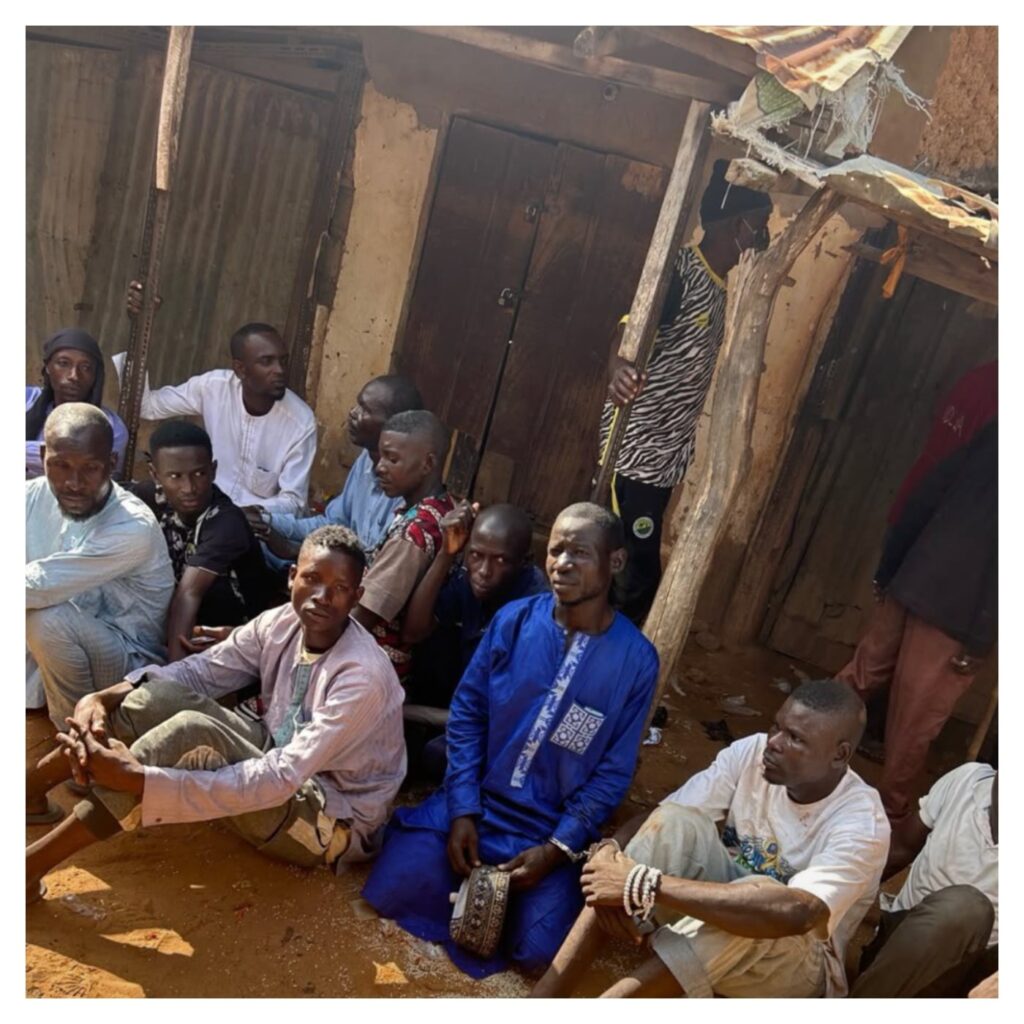
Operation HADIN KAI and NDLEA raid Damagun Market in Yobe, arrest 12 drug peddlers – August 2026 impact
Background: drug trafficking in Nigeria’s North-East
The North-East region of Nigeria has long been a crossroads for illicit trade, not only because of the lingering insurgency but also due to porous borders with Niger, Chad and Cameroon. Over the past decade, traffickers have used market towns like Damagun as informal distribution hubs for cannabis, heroin and locally produced synthetic drugs. The federal government’s response has evolved from pure policing to a hybrid model that blends military operations with civilian law‑enforcement agencies.
Operation HADIN KAI, launched in 2024, is the latest incarnation of that hybrid approach. It is a joint task force that pairs army units with the National Drug Law Enforcement Agency (NDLEA) and local police. Its mandate is to disrupt supply chains that fund armed groups while also curbing the spread of drug abuse in vulnerable communities. The operation’s name, meaning “unity” in Hausa, reflects the political will to bring together disparate security actors under a single command.
The raid: how 12 suspects were caught at Damagun Market
On Sunday, August 23, 2026, around 2:00 pm, troops from Operation HADIN KAI entered Damagun Market in the Fune Local Government Area of Yobe State alongside NDLEA officers. According to security analyst Zagazola Makama, the raid was the result of weeks of intelligence gathering, including intercepted phone calls and surveillance of known drug couriers moving through the market’s stalls.
The joint team sealed off the market’s main thoroughfares, searched over 200 stalls and detained twelve individuals they identified as “suspected illicit drug peddlers.” Authorities seized a modest cache of packaged cannabis, several kilograms of heroin, and a small amount of locally manufactured methamphetamine. No casualties were reported, and market traders were allowed to resume business after the operation concluded in the early evening.
Why it matters: security, health and the local economy
The immediate significance of the raid lies in its potential to choke a revenue stream that insurgent groups have increasingly relied upon. Analysts at the International Crisis Group have noted that drug money now accounts for up to 15 % of funding for Boko Haram splinter factions, a figure that has risen as oil revenues have dwindled. By targeting the market’s distribution layer, the operation strikes at the “last mile” of the drug supply chain, which could reduce the cash flow to armed actors in the region.
Beyond the security angle, the seizure has public‑health implications for a population already grappling with limited access to treatment for substance‑use disorders. The Yobe State Ministry of Health estimates that over 8 % of youths in the state have experimented with cannabis, a number that has been climbing according to a 2025 UNICEF survey. Removing drugs from a high‑traffic market may help curb that trend, although experts warn that supply often shifts to neighboring towns if enforcement is not sustained.
A broader pattern: militarised drug enforcement across Nigeria
The Damagun raid is part of a growing pattern where the Nigerian military is increasingly deployed for drug‑related missions. Since 2022, the army has participated in more than 30 joint operations with the NDLEA, a rise of roughly 45 % compared with the previous three‑year period. Critics argue that this militarisation risks blurring the line between counter‑terrorism and criminal policing, potentially leading to human‑rights concerns.
Nevertheless, the government defends the approach as a pragmatic response to a complex threat landscape. A senior NDLEA spokesperson told Premium Times that “the convergence of terrorism financing and drug trafficking demands an integrated response that no single agency can deliver alone.” The strategy mirrors similar joint‑force models in West Africa, where the Economic Community of West African States (ECOWAS) has encouraged member states to pool military and customs resources to combat trans‑national crime.
What comes next: community response and diaspora interest
Local reactions to the raid have been mixed. Traders in Damagun expressed relief that the market can now operate without the shadow of illegal activity, but some warned that the sudden removal of a cash‑generating trade could hurt livelihoods, especially for families already dependent on informal economies. Community leaders have called for the government to pair enforcement with alternative income‑generation programs, such as agricultural subsidies or vocational training.
For the Nigerian diaspora, the raid signals a possible shift in the risk profile of remittances sent to the North‑East. Remittance flows to Yobe have risen by 12 % over the past year, according to World Bank data, partly because relatives are sending money to support families displaced by conflict. If drug‑related violence diminishes, diaspora investors may feel more confident channeling funds into legitimate small‑business ventures, potentially spurring a modest economic revival in the region.
Quick Answers
What was the main goal of Operation HADIN KAI’s raid on Damagun Market?
The raid aimed to disrupt drug distribution networks that fund insurgent groups and to reduce the availability of illicit substances in Yobe State.
How many people were arrested during the August 23, 2026 raid?
Twelve suspected drug peddlers were detained by the joint forces of the army and NDLEA.
Why is the involvement of the Nigerian army in drug enforcement controversial?
Critics say militarising drug enforcement can blur lines between policing and combat, raising human‑rights concerns, while the government argues it’s needed to cut financing for terrorist groups.
Source: dailypost.ng




💬 Comments 0