NRS Chairman Zacch Adedeji Criticised for Questioning Tinubu’s Economic Reforms – Fallout
Background
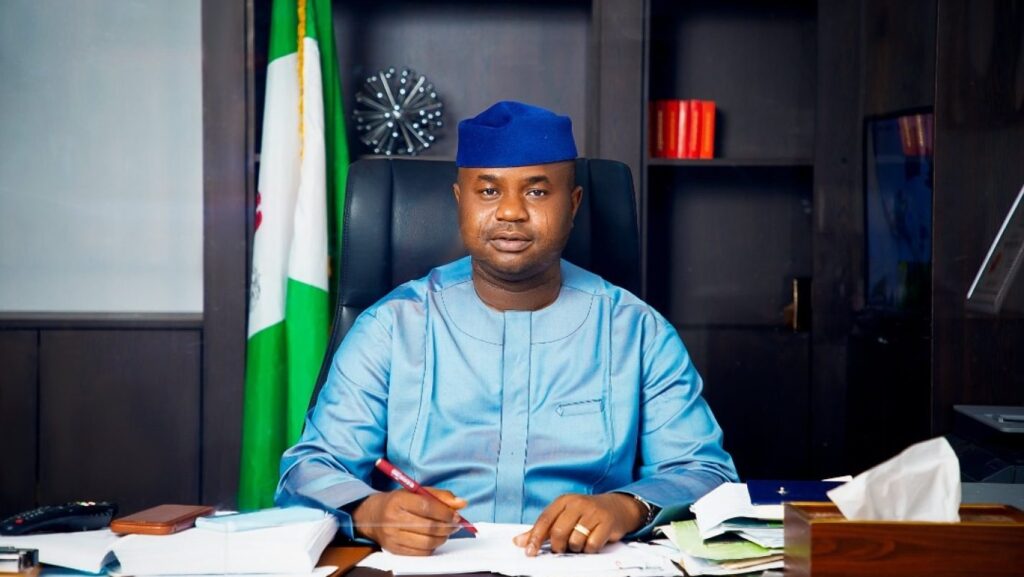
The Nigeria Revenue Service (NRS) is the country’s tax authority, responsible for collecting government revenue and enforcing tax laws. Since taking office in 2022, Chairman Zacch Adedeji has overseen a series of reforms aimed at broadening the tax base and improving compliance, including the rollout of the Value Added Tax (VAT) and the introduction of a new electronic filing system.
President Bola Ahmed Tinubu’s administration has launched a sweeping economic reform agenda that seeks to diversify Nigeria’s revenue sources away from oil, boost public spending efficiency, and attract foreign investment. Central to this agenda is the expansion of the tax net, with the NRS playing a pivotal role in implementing these changes. The reforms have been both praised for their ambition and critiqued for their perceived impact on small businesses and informal sector workers.
What Happened
In a viral video that circulated early this week, Adedeji was seen addressing critics of Tinubu’s economic reforms. He posed a rhetorical question, asking them what they would have done differently if they were in his position. The clip was taken out of context by some, but the message was clear: the NRS chair is unwilling to entertain alternative viewpoints on the reform strategy.
The video was shared widely on social media, sparking a wave of backlash from civil society groups, tax professionals, and ordinary taxpayers. Critics argued that such a dismissive stance undermines the democratic process and stifles constructive debate about the reforms’ design and implementation. Adedeji’s comments were quickly labeled as an example of top‑down governance that ignores grassroots concerns.
Why It Matters
The incident highlights a broader tension between the government’s push for fiscal consolidation and the lived realities of Nigerians. Tax reforms, while essential for generating revenue, can disproportionately burden the informal sector, which accounts for a significant portion of the Nigerian economy. A dismissive attitude from the NRS leadership risks eroding trust and lowering voluntary compliance, potentially undermining the very revenue targets the reforms aim to achieve.
Moreover, the episode underscores the importance of accountability and transparency in public institutions. When officials appear to dismiss criticism, it can fuel perceptions of authoritarianism and reduce public engagement in policy discussions. For the diaspora, who often rely on remittances and invest in Nigerian businesses, such controversies may affect confidence in the country’s economic stability and governance.
What's Next
In response to the backlash, the NRS has issued a statement clarifying that its mission is to support the government’s reforms while ensuring fairness and equity in tax collection. The statement also calls for a consultative process that includes stakeholders from the private sector, civil society, and academia.
The government is reportedly planning a series of town‑hall meetings and online forums to gather feedback on the reforms. These sessions aim to address concerns about the impact on small businesses and to refine implementation strategies. Adedeji has also announced that the NRS will review its communication protocols to prevent similar incidents in the future.
Quick Answers
Who is Zacch Adedeji?
Zacch Adedeji is the Executive Chairman of the Nigeria Revenue Service (NRS), overseeing the country’s tax collection and reform initiatives.
What were the critics’ main concerns?
Critics argued that the government’s tax reforms disproportionately affect informal sector businesses and that the NRS should engage more openly with stakeholders.
How is the government responding?
The government is organizing public consultations and has clarified that the NRS will adopt a more consultative approach to policy implementation.
Source: dailypost.ng


💬 Comments 0