Nvidia reinstates CEO Jensen Huang after spy‑alleged affair, Trump claims he brokered deal – 2026 impact on AI and African tech
Background: The scandal that rattled Silicon Valley
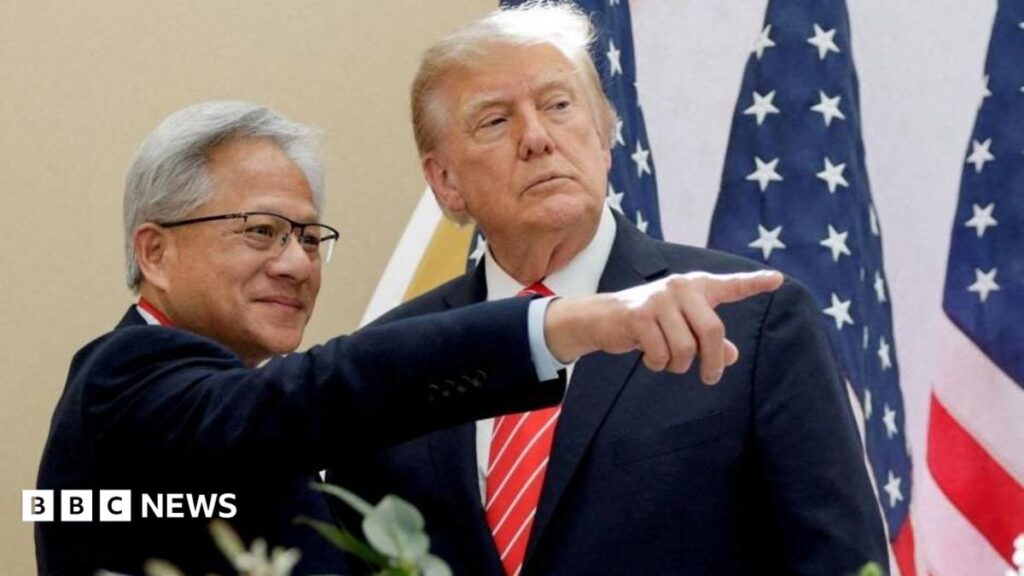
In early November 2026, reports emerged that Nvidia’s charismatic founder‑CEO Jensen Huang had been involved in an alleged affair with a woman identified by some outlets as a foreign intelligence operative. The story quickly spiraled into a media firestorm, prompting calls from investors and board members for Huang’s resignation. While the details of the alleged liaison remain murky, the episode highlighted how personal scandals can become geopolitical flashpoints when a tech titan is involved.
Amid the turmoil, former President Donald Trump entered the fray, tweeting that he had personally intervened to ensure Huang’s return. Trump’s claim—"I made the deal"—added a layer of political intrigue, suggesting that the former commander‑in‑chief was leveraging his lingering influence over corporate America. The assertion was neither confirmed nor denied by Nvidia’s board, but it amplified speculation about the extent of political meddling in corporate governance.
What actually happened: Board vote and market reaction
On November 22, Nvidia’s board convened an emergency meeting and voted 12‑2 to reinstate Huang as CEO, citing his irreplaceable role in steering the company’s AI‑chip strategy. The board’s statement emphasized that the alleged affair did not affect Huang’s performance or the company’s strategic direction. Within hours, Nvidia’s share price surged, adding roughly $1 trillion to its market capitalization and restoring investor confidence that had dipped after the scandal broke.
Analysts at Bloomberg and Reuters noted that the market’s reaction was driven less by the personal drama and more by the practical reality that Huang’s leadership has been central to Nvidia’s dominance in GPUs, data‑center AI accelerators, and the burgeoning generative‑AI market. The board’s decision, therefore, was framed as a business‑first move, even as political commentary continued to swirl.
Why it matters: Power dynamics between tech, politics and security
The episode underscores a growing tension between the tech sector’s global reach and national security concerns. If the alleged spy connection were verified, it would raise questions about how foreign intelligence services might seek influence through personal relationships with industry leaders. The U.S. government has already tightened export controls on advanced AI chips, and the scandal could accelerate calls for stricter vetting of senior executives in critical‑technology firms.
Trump’s involvement also signals a broader pattern: former politicians using personal brand power to intervene in corporate affairs. While Trump’s claim has not been independently corroborated, it reflects a reality where political figures can become unofficial brokers for high‑stakes corporate decisions, potentially reshaping the norms of corporate governance in the United States.
African angle: Nvidia’s AI surge and its ripple effects across the continent
Nvidia’s resurgence under Huang is especially consequential for Africa’s nascent AI ecosystem. The company’s H100 and upcoming GH200 chips power most of the world’s large‑scale language models, and African cloud providers such as Azure Africa (South Africa), Amazon Web Services (Nigeria), and local players like Safaricom’s cloud arm are already negotiating bulk GPU contracts. A stable leadership at Nvidia reassures these partners that supply chains will remain predictable, which is crucial for data‑center projects slated for Lagos, Nairobi, and Cairo.
Start‑ups across the continent—from Nairobi’s AI‑driven agritech firm iProcure to Lagos’s fintech platform Paystack AI—rely on Nvidia‑based inference services to deliver real‑time analytics. The reaffirmation of Huang’s vision means continued investment in software stacks like CUDA and the Nvidia AI Enterprise suite, tools that many African developers have adopted because of their open‑source compatibility and strong community support.
Reactions: From Wall Street to African tech hubs
Wall Street analysts quickly upgraded Nvidia’s rating, with Morgan Stanley moving the stock to an "outperform" stance, citing the "uninterrupted strategic momentum" under Huang. Meanwhile, civil‑rights groups in the U.S. warned that the affair‑spy narrative could be weaponised to stoke anti‑Asian sentiment, urging media outlets to avoid sensationalism.
In African tech circles, the news sparked a pragmatic discussion rather than a moral panic. At the 2026 Africa AI Summit in Johannesburg, panelists highlighted that leadership stability at Nvidia translates into more reliable access to cutting‑edge hardware, a factor that could determine whether African firms can compete for multimillion‑dollar AI contracts with multinational corporations.
What’s next: Governance, regulation and African market opportunities
Going forward, Nvidia is expected to tighten its internal compliance protocols, possibly appointing a chief security officer to oversee executive vetting. The U.S. Senate’s Intelligence Committee has announced a hearing on “Corporate Vulnerabilities to Foreign Influence,” where Nvidia’s board may be called to testify.
For African markets, the next steps involve capitalising on the renewed confidence in Nvidia’s supply chain. Governments in Kenya and Ghana have earmarked funds for national AI research labs that will likely depend on Nvidia GPUs. Moreover, venture‑capital firms such as Partech Africa are eyeing increased allocations to AI start‑ups, betting that a stable Nvidia leadership will keep hardware costs from spiking amid global demand.
Quick Answers
Why did Nvidia reinstate Jensen Huang despite the scandal?
The board voted to keep Huang because his technical leadership is seen as essential to Nvidia’s AI‑chip dominance and market growth.
How does the scandal affect African AI start‑ups?
A stable Nvidia leadership ensures predictable GPU supply, which African start‑ups depend on for building and scaling AI services.
Did former President Trump actually broker the deal?
Trump claimed he made the deal, but no independent verification has been provided; the statement remains unconfirmed.
Source: www.bbc.co.uk



💬 Comments 0