Osun 2026 Governorship Election: Early Turnout Hits INEC Delays, Raising Nigeria Stakes
Background: Why Osun Is a Political Barometer
Osun State, with its 3.5 million registered voters, has become a testing ground for Nigeria’s broader political currents since the return to civilian rule in 1999. The state’s last three governorship races have swung between the People’s Democratic Party (PDP) and the All Progressives Congress (APC), making it a bellwether for national sentiment ahead of the 2027 general elections.
The 2026 contest pits incumbent APC governor Ademola Adeleke, a charismatic former senator, against a united PDP front led by former minister Funmi Olatunji. Both camps are banking on different narratives: the APC touts continuity in infrastructure projects, while the PDP promises a fresh anti‑corruption drive. Voter enthusiasm has been unusually high, reflecting a growing expectation that state-level outcomes will influence the balance of power in the National Assembly.
Early Turnout and Logistical Hurdles on Election Day
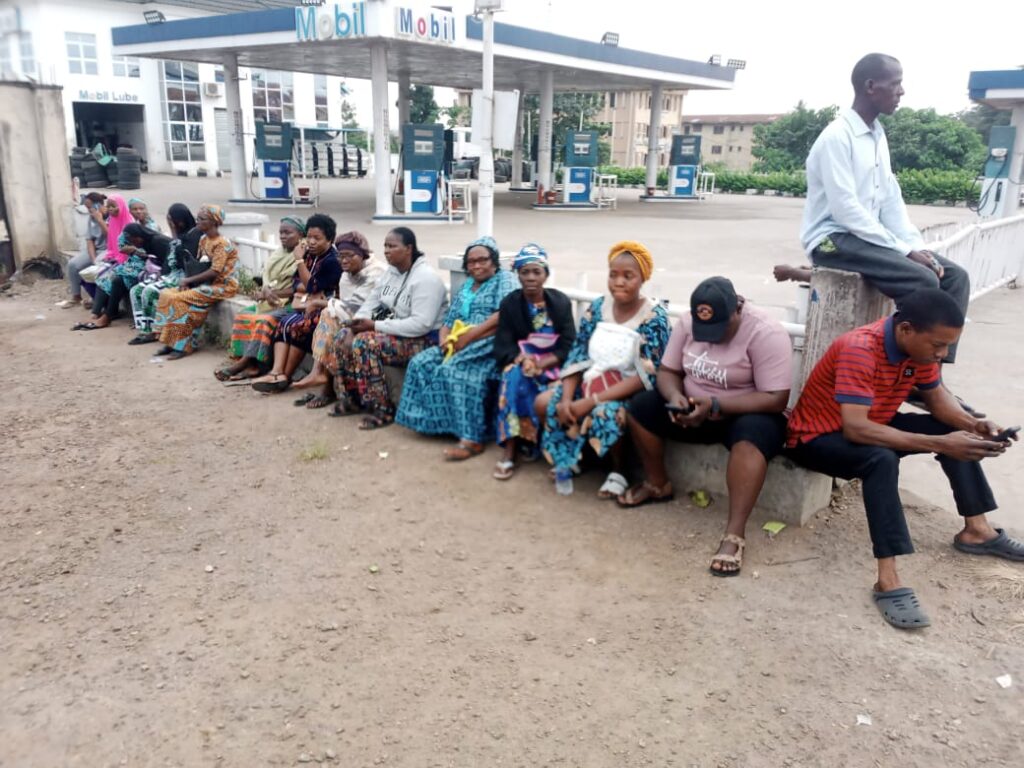
At dawn on Saturday, crowds gathered at Gulf Junction in Osogbo, some arriving as early as 5 a.m. to secure their spot in the queue. Video footage shared on social media showed voters holding umbrellas, chanting campaign slogans, and checking their voter cards while waiting for the Independent National Electoral Commission (INEC) officials to distribute ballot boxes and result sheets.
According to reports from local journalists, the delay stemmed from a shortage of certified election officers in the Ogo Oluwa Ward, compounded by a late arrival of the electronic voting kits that were supposed to be dispatched the previous night. Sources close to INEC said that a transport strike in Lagos had pushed the convoy back by three hours, forcing the commission to scramble for replacements.
The waiting period sparked mixed reactions. Some voters expressed frustration, fearing that the delay could suppress turnout in more remote polling units. Others saw the early presence as a sign of civic commitment, noting that many had travelled from neighboring towns specifically to avoid the long queues that typically form later in the day.
Why the Delay Matters for Nigerian Democracy
Logistical setbacks in a high‑profile state like Osun expose systemic vulnerabilities that could undermine confidence in Nigeria’s electoral machinery. When voters encounter unprepared polling stations, the narrative of “free, fair, and credible” elections—central to INEC’s mandate—faces erosion, especially among first‑time voters who are less tolerant of procedural hiccups.
The early turnout also highlights a demographic shift: young Nigerians, who constitute over 60% of the electorate, are increasingly demanding punctuality and transparency. A survey by the Centre for Democracy and Development (CDD) conducted in July 2026 found that 71% of respondents aged 18‑35 consider timely delivery of voting materials a non‑negotiable factor for their continued participation.
If similar delays recur in other swing states, opposition parties could leverage them to challenge results in courts, potentially prolonging the post‑election litigation process that has plagued previous cycles. This scenario could strain the already stretched resources of the judiciary and invite international scrutiny from bodies such as the African Union Election Observation Mission.
Reactions from Candidates, Civil Society, and the Diaspora
Both gubernatorial hopefuls took to social media as the crowd waited. Governor Adeleke’s campaign released a statement urging patience, emphasizing that “the integrity of the process outweighs any inconvenience.” In contrast, PDP candidate Funmi Olatunji criticized the INEC delay as “avoidable mismanagement,” promising to push for reforms that would include real‑time monitoring of logistics via a mobile dashboard.
Local civil‑society groups, including the Osun Civil Society Forum, organized on‑the‑spot observation teams. Their spokesperson, Kemi Adeyemi, warned that “repeated logistical failures risk alienating voters, especially women who travel long distances to vote.” The group called for an independent audit of INEC’s supply chain for the remaining polling units.
The Nigerian diaspora in the United Kingdom and the United States, many of whom follow state elections through livestreams, voiced concern on diaspora forums. A prominent diaspora blogger, Chinedu Okeke, noted that the early turnout reflected a “new wave of political engagement that could translate into higher remittance flows if the elected government delivers on development promises.”
What Comes Next: Potential Outcomes and Lessons Learned
If INEC manages to distribute materials and open the polls by mid‑morning, early voters could set a precedent for higher overall turnout, potentially tilting the result in favor of the party with stronger grassroots mobilization. Early results from neighboring wards suggest a tight race, with preliminary counts showing a marginal lead for the APC, though these figures remain unofficial.
Beyond the immediate tally, the Osun episode may catalyze reforms. Election analysts, such as Dr. Olabisi Adebayo of the University of Ibadan, argue that the incident will push the commission to adopt a decentralized logistics model, leveraging state‑level warehouses to reduce reliance on single‑point deliveries. The model has already been piloted in Kaduna with promising results.
In the longer term, the early voter enthusiasm could inspire other states to experiment with staggered voting hours, a practice that could alleviate congestion and improve voter experience. However, any such shift will require legislative backing and robust training for election officials—a process that may take several months before the 2027 general elections.
Quick Answers
When is the Osun governorship election scheduled for 2026?
The election is set for Saturday, August 15, 2026, with voting beginning at 8 a.m. local time.
Why were voters waiting for INEC officials in Osogbo?
Voters were waiting because INEC officials and ballot materials arrived later than planned due to transport delays and a shortage of certified officers in the ward.
What does early voter turnout in Osun indicate for future Nigerian elections?
It signals growing political engagement, especially among youth, and suggests that logistical challenges must be addressed to sustain confidence in upcoming elections.
Source: dailypost.ng

💬 Comments 0