Pakistan arrests Faheem Akram, US‑wanted in $126 million postage fraud case, 2026
Background: The $126 million US postage fraud scheme
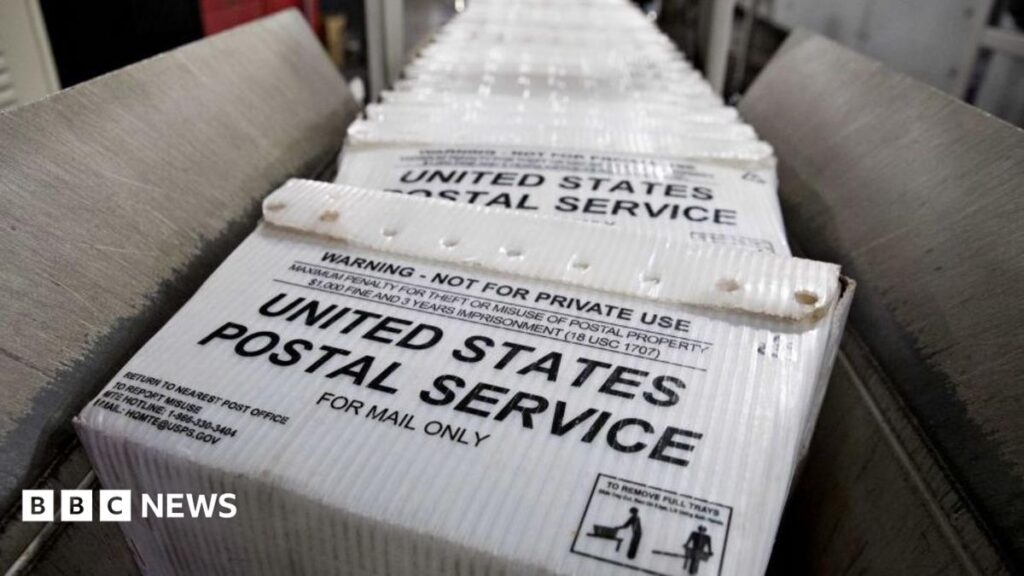
In early 2024, US prosecutors uncovered a massive counterfeit postage operation that sold more than five million fake shipping labels at a flat rate of $2 each. The scheme, which primarily targeted small‑business owners and individual sellers on global marketplaces, generated roughly $126 million in illicit revenue before law‑enforcement agencies began to trace the money flow. According to the US Department of Justice, the fraud not only defrauded the United States Postal Service but also exposed buyers to delayed deliveries, lost packages and additional customs fees, undermining confidence in cross‑border e‑commerce.
The mastermind behind the operation was identified as Faheem Akram, a Pakistani national who allegedly coordinated the printing, distribution and online marketing of the bogus labels from a network of warehouses in Karachi and Lahore. Investigators said the operation relied on a sophisticated web of shell companies, offshore bank accounts and cryptocurrency mixers to launder the proceeds. By the time the fraud was detected, the counterfeit labels had already been used in shipments destined for North America, Europe and parts of Africa.
The arrest in Pakistan: How authorities moved
On October 15, 2026, Pakistani law‑enforcement officials, acting on a joint request from the US Department of Justice and Interpol, detained Akram at his residence in Karachi. Sources say the operation involved the Federal Investigation Agency’s cyber‑crime unit, which had been monitoring the digital footprints of the label‑selling websites for months. The arrest was announced publicly the following day, with officials emphasizing that the cooperation demonstrated Pakistan’s willingness to combat transnational financial crime that harms both domestic and foreign economies.
Legal experts note that Akram’s detention does not guarantee an immediate extradition to the United States; the process will hinge on Pakistan’s extradition treaty with the US and the outcome of a preliminary hearing in Karachi’s federal court. The hearing, scheduled for early 2027, will determine whether the evidence meets the threshold required for formal extradition. In the meantime, Pakistani authorities have seized computers, printing equipment and a cache of the counterfeit labels as part of the ongoing investigation.
Why the case matters beyond the US: implications for e‑commerce and African diaspora
The fallout from the fraud is already being felt in African markets that rely heavily on affordable international shipping. Small‑scale entrepreneurs in Nigeria, Kenya and Ghana have reported a spike in delayed parcels and unexpected customs duties after receiving shipments that bore the bogus US labels. According to a recent survey by the African Digital Trade Association, 18 % of respondents said they had been directly affected by counterfeit postage in the past year, a figure that could rise if the network expands its reach.
For the African diaspora in the United States and Europe, the case highlights a vulnerability that many community‑based sellers overlook. Diaspora‑run businesses often depend on low‑cost logistics to stay competitive, and counterfeit labels can erode profit margins and damage reputations. The arrest therefore serves as a cautionary tale, prompting diaspora chambers of commerce to issue new guidelines on verifying shipping credentials and to lobby for tighter platform oversight.
A pattern of cross‑border fraud targeting shipping and remittances
Akram’s operation is part of a broader surge in fraud schemes that exploit the globalized supply chain. Since 2022, Interpol has flagged a 37 % increase in cases involving fake freight documentation, many of which originate in South Asia and funnel money through African financial hubs. These schemes often intersect with remittance fraud, where illicit actors lure migrants with promises of cheap money‑transfer services that in reality funnel funds into money‑laundering circuits.
Analysts at the Center for Strategic and International Studies argue that the convergence of cheap printing technology, unregulated e‑commerce platforms and weak customs enforcement creates a perfect storm for such frauds. The US‑Pakistan case underscores the need for coordinated regional responses, including shared intelligence databases and joint training for customs officers in major African ports such as Lagos, Mombasa and Durban.
What’s next: legal proceedings and broader enforcement trends
If the extradition request succeeds, Akram could face up to 20 years in a US federal prison, according to sentencing guidelines for large‑scale mail fraud. In Pakistan, he may also be tried under the Prevention of Electronic Crimes Act, which carries penalties of up to 10 years for cyber‑enabled financial crimes. Legal scholars suggest that a dual‑jurisdiction conviction would set a precedent for future cooperation on digital fraud cases involving developing‑world actors.
Beyond the courtroom, the case is likely to accelerate policy reforms. The US Postal Service has announced plans to roll out a blockchain‑based label verification system by 2028, aiming to make counterfeit labels easier to detect. Meanwhile, African trade bodies are lobbying for a continent‑wide digital customs platform that could flag suspicious shipments in real time. Both initiatives reflect a growing consensus that technology, rather than solely punitive measures, will be key to curbing the next wave of transnational fraud.
Quick Answers
Who is Faheem Akram and why was he arrested?
Faheem Akram is a Pakistani national accused of running a $126 million counterfeit postage scheme that sold fake US shipping labels; he was detained in Karachi after a US‑Pakistani extradition request.
How does the postage fraud affect African businesses and diaspora sellers?
The fake labels have caused delayed deliveries, extra customs fees and lost revenue for African e‑commerce entrepreneurs and diaspora‑run shops that rely on cheap international shipping.
What could happen to Akram after his arrest?
If extradited, he may face up to 20 years in US prison for mail fraud; he could also be prosecuted in Pakistan under cyber‑crime laws, potentially adding another decade of imprisonment.
Source: www.bbc.co.uk




💬 Comments 0