Paramount and California to Hold Preliminary Talks on Warner Bros Deal, NYT Reports – 2026
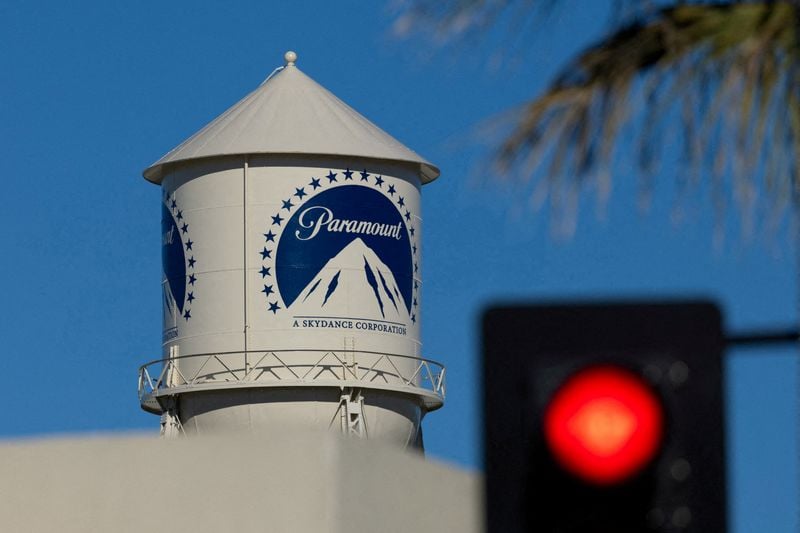
Background: Warner Bros. Discovery’s Strategic Dilemma
Warner Bros. Discovery, the parent of the storied Warner Bros studio, has been wrestling with a mounting debt load since its 2022 merger. The company’s balance sheet shows over $30 billion in long‑term liabilities, prompting executives to explore asset sales that could shore up cash flow and fund its streaming ambitions.
Industry observers note that the studio’s most valuable assets – its film library, production facilities, and international distribution rights – have become bargaining chips in a broader consolidation wave. The New York Times reported that Paramount Global, fresh from its own cost‑cutting program, is eyeing a possible acquisition of parts of Warner Bros., sparking speculation about a reshaped Hollywood landscape.
Why California Is in the Mix
California’s involvement goes beyond a simple tax‑incentive discussion. The state government has been lobbying to retain film production within its borders, offering a 25 percent tax credit that can be stacked with federal incentives. Sources close to the negotiations say California sees the potential Warner‑Paramount deal as a lever to keep major studios anchored in Los Angeles rather than drifting to rival hubs like Atlanta or Toronto.
The governor’s office has also hinted that any transaction could trigger a review of the state’s incentive structure, ensuring that a combined Paramount‑Warner entity would continue to meet local hiring and diversity requirements. This is a strategic move to protect thousands of California‑based jobs, many of which are held by immigrants and members of the African diaspora.
Potential Impact on the U.S. Film Ecosystem
If Paramount were to acquire Warner Bros.’ production arm, the merger would create the second‑largest film studio in the United States, rivaling Disney’s dominance. Antitrust regulators are expected to scrutinise the deal for any anti‑competitive effects, especially in the theatrical distribution pipeline where both firms own extensive theater‑booking networks.
A combined studio could also reshape content pipelines for streaming platforms. With Paramount already operating Paramount+ and Warner Bros. Discovery running Max, a merged entity might consolidate its streaming libraries, potentially leading to a single, more powerful subscription service. This could force smaller players to double down on niche content, including African‑focused series that have struggled to find shelf‑space on larger platforms.
What This Means for African Filmmakers and Diaspora Audiences
African creators based in Los Angeles have long relied on Hollywood’s studio system for financing, mentorship, and global distribution. A Paramount‑Warner alliance could either open new co‑production windows with African partners or tighten gate‑keeping if the merged studio prioritises blockbuster franchises over diverse storytelling.
The deal also has implications for the growing demand for African content on streaming services. Recent successes such as “Queen of Katwe” and the Netflix series “Blood & Water” have shown that African narratives can attract worldwide audiences. If the new studio adopts a more centralized content strategy, it may allocate larger budgets to high‑profile African projects, but it could also push smaller, independent African films further down the priority list.
Looking Ahead: Possible Outcomes and Industry Ripple Effects
Analysts forecast three likely scenarios: a full acquisition, a partial asset sale, or a strategic partnership that leaves Warner Bros. as an independent content creator while sharing distribution networks with Paramount. Each path carries distinct consequences for employment, tax revenue, and the competitive dynamics of the global film market.
Regardless of the final structure, the talks signal a turning point for Hollywood’s consolidation era. Stakeholders—from California legislators to African diaspora filmmakers—will be watching how the deal balances financial pragmatism with cultural responsibility. The next few months will reveal whether the merger strengthens the industry’s global reach or narrows the space for diverse voices.
Quick Answers
What is the main purpose of the preliminary talks between Paramount and California?
The talks aim to explore how a potential Warner Bros. asset deal could be structured while ensuring California’s film tax incentives and job commitments remain intact.
How could a Paramount‑Warner merger affect African filmmakers?
It could either increase funding for high‑budget African co‑productions or limit opportunities for smaller African projects if the merged studio focuses on blockbuster franchises.
When is a final decision on the Warner Bros. deal expected?
Industry sources say a definitive agreement could be reached by early 2027, pending antitrust review and state‑level negotiations.
Source: www.investing.com




💬 Comments 0