Pedro Sánchez says no warning before Ceuta migrant surge, 2026 crisis triggers protests
Background: Ceuta’s strategic position and migration pressure
Ceuta, a Spanish enclave on the North African coast, has long been a flashpoint for irregular migration. Its proximity to Morocco makes it a preferred entry point for people fleeing conflict, poverty, or climate‑related hardship in West and Central Africa. Over the past decade, the city has seen periodic spikes in arrivals, prompting Spain to invest in fences, surveillance drones and joint patrols with Moroccan authorities.
In early 2026, the United Nations Office on Drugs and Crime reported a 27 % rise in people attempting the crossing from Morocco to Ceuta compared with the same period in 2025. The surge was linked to worsening droughts in the Sahel and a sharp devaluation of the Moroccan dirham, which together pushed many to risk the dangerous 8‑kilometre sea route.
Spain’s domestic politics have turned migration into a partisan battleground. The ruling Socialist Workers’ Party (PSOE) under Prime Minister Pedro Sánchez has tried to balance humanitarian commitments with pressure from right‑wing parties that demand stricter border controls. This tension set the stage for the events that unfolded in late August.
The crisis erupts: mass arrivals and street protests
On 28 August 2026, more than 5,000 migrants arrived at the Ceuta border within a twelve‑hour window, overwhelming the city’s reception facilities. Video footage captured crowds pushing against the fence, while Spanish police used water cannons to disperse them. The incident sparked outrage among humanitarian NGOs, who accused the authorities of using excessive force.
The following days saw coordinated protests in Madrid, Barcelona and Seville, with thousands demanding a transparent investigation into why the surge was not anticipated. Demonstrators carried banners reading “We are not a crisis to be hidden” and “Sánchez, answer the people”. The protests were largely peaceful, but clashes with police in Barcelona led to dozens of arrests.
Opposition parties, notably Vox and the far‑left Podemos, seized on the unrest to accuse Sánchez’s government of negligence. In the Spanish parliament, the opposition tabled a motion of censure, arguing that the administration had ignored intelligence reports indicating a possible coordinated migration attempt.
Sánchez’s denial: no prior warnings, no cover‑up
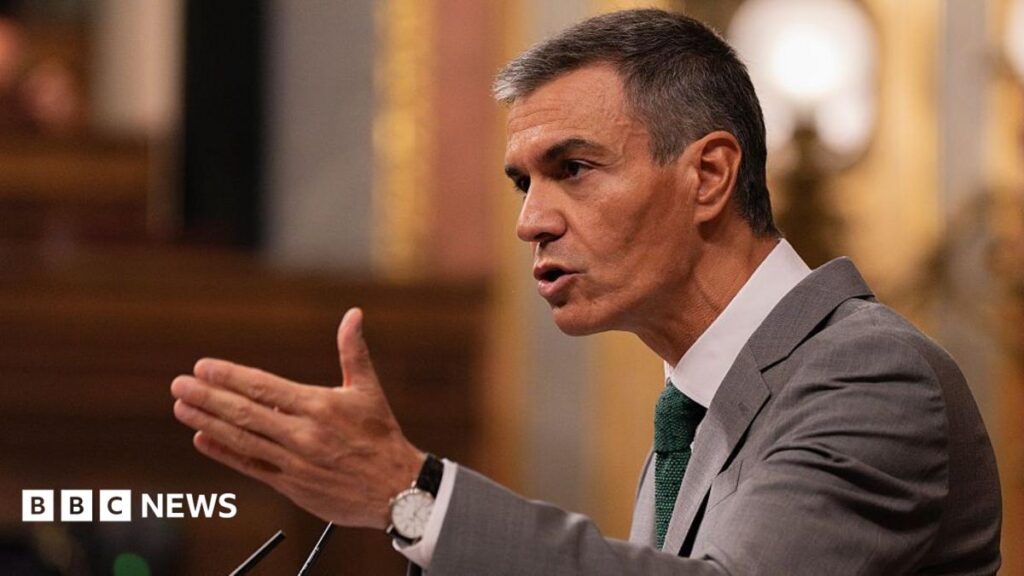
During a heated session in the Congreso de los Diputados on 2 September, Sánchez labelled the suggestion that his cabinet had foreknowledge of the Ceuta surge as “absurd”. He stressed that the intelligence community had not issued any specific alerts, and that the sudden influx was “a spontaneous humanitarian emergency”.
Political analysts note that Sánchez’s stance is aimed at deflecting blame ahead of the upcoming regional elections in October. According to a report by *El País*, sources within the Ministry of the Interior said the agency had received generic warnings about increased migration flows but lacked concrete details about timing or scale.
Critics argue that the government’s broader migration strategy—relying on “pre‑emptive deterrence” through fortified borders—creates a blind spot for sudden spikes. An interview with former border guard Carlos Méndez, published in *La Vanguardia*, suggested that routine briefings had highlighted a “risk of coordinated attempts” but were not escalated to the cabinet level.
Why it matters for Spain, the EU and African migrants
The Ceuta episode underscores a growing disconnect between European border policies and the realities on the African continent. With climate change intensifying droughts across the Sahel, migration pressures are likely to become more erratic, challenging the EU’s reliance on static border infrastructure. The crisis could force Brussels to rethink its “externalisation” model, which outsources border enforcement to third‑party states such as Morocco.
For Spain, the political fallout could reshape the upcoming electoral landscape. Polls from *CIS* show the PSOE’s approval slipping from 31 % to 26 % after the Ceuta incident, while Vox’s share rose by three points. A loss of parliamentary confidence could compel Sánchez to renegotiate migration accords with Morocco, potentially granting the North African kingdom greater authority over asylum processing.
African migrants are the most immediate victims. NGOs report that many of those turned away at Ceuta were forced to return to makeshift camps in northern Morocco, where conditions are deteriorating. The crisis also reverberates within the African diaspora in Spain, who fear heightened xenophobia and stricter visa regimes that could affect legal workers, students and family reunifications.
What comes next: policy shifts, legal battles and regional diplomacy
In the short term, the Spanish government announced a €45 million emergency fund to expand reception centres in Ceuta and improve medical services for arrivals. It also pledged to submit a request to the European Commission for a temporary suspension of the “fast‑track deportation” mechanism, pending an independent review.
Long‑term solutions will likely involve diplomatic negotiations with Morocco. Sources close to the Moroccan foreign ministry say Rabat is prepared to tighten its own border controls, but in exchange it seeks increased EU funding for coastal development projects—an offer that could reshape the migration management architecture in the western Mediterranean.
Legal challenges are already emerging. The European Court of Human Rights is expected to hear a case filed by Médecins Sans Frontières, alleging that Spain’s use of water cannons violated international standards on the treatment of migrants. The outcome could set a precedent for how EU member states respond to sudden migration surges.
Quick Answers
Did the Spanish government have any warning before the Ceuta migrant surge?
According to officials, there were no specific alerts; only generic intelligence about increased migration pressure, which was not escalated to the cabinet.
How might the Ceuta crisis affect African migrants in Europe?
The crisis could lead to stricter border enforcement, higher risk of push‑backs to Moroccan camps, and a rise in anti‑immigrant sentiment affecting African diaspora communities.
What steps is Spain taking after the Ceuta incident?
Spain announced an emergency fund to expand reception facilities, a temporary halt to fast‑track deportations, and is seeking a review by the European Commission.
Source: www.bbc.co.uk




💬 Comments 0