Pep Guardiola backs Manchester City after 100+ financial breaches verdict – 2026 impact
Background: The Premier League’s unprecedented ruling
In early October 2026 the Premier League handed Manchester City a historic verdict, confirming more than a hundred breaches of its financial regulations. The breaches span alleged salary‑cap overspending, undisclosed sponsorship revenue and irregularities in profit‑and‑loss statements that the league says gave City an unfair competitive edge. The decision follows a two‑year investigation triggered by whistle‑blower reports and a broader crackdown on financial fair play across Europe. While the league stopped short of imposing an immediate points deduction, it warned that further sanctions could follow if the club fails to demonstrate compliance during the upcoming audit period.
The ruling sent shockwaves through the football world because it targets one of the sport’s most financially powerful clubs. It also arrives at a time when the Premier League is negotiating new broadcast deals that heavily rely on the global appeal of its top teams. For Manchester City, the verdict threatens not only its on‑field ambitions but also its commercial partnerships, many of which involve African markets that have become increasingly lucrative for English clubs in recent years.
Pep Guardiola’s public show of support
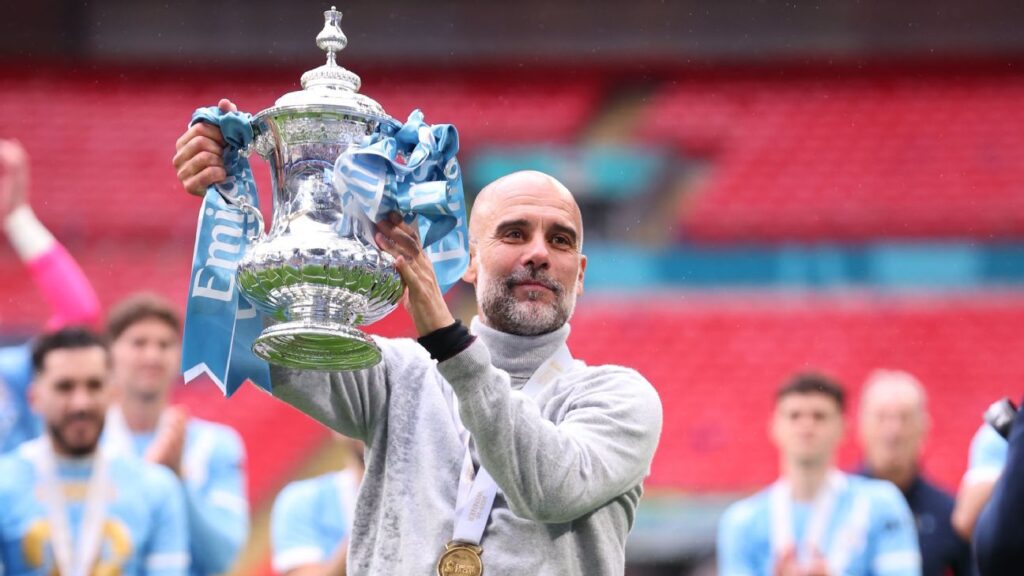
Within hours of the announcement, Pep Guardiola released a concise statement: “I am behind my club.” The comment, while brief, was deliberately framed to reassure players, staff and supporters that the managerial team will not be distracted by off‑field turbulence. Guardiola’s reputation for demanding total focus from his squad makes his endorsement a signal that training and match preparation will proceed as usual, despite the looming uncertainty about potential European bans or transfer restrictions.
Analysts note that Guardiola’s words also serve a strategic purpose. By publicly standing with the club, he protects his own brand and the broader Manchester City project, which includes a network of youth academies and community programmes across Africa. The manager’s stance may help mitigate any loss of confidence among African prospects who view City as a pathway to elite European football, especially after the club’s recent signings of several Nigerian and Ghanaian youngsters.
Implications for the club’s European campaign and African talent pipeline
The most immediate footballing consequence of the verdict could be a ban from the UEFA Champions League, should the Premier League’s follow‑up sanctions include a European competition restriction. Such a ban would deprive City of the platform that showcases African players to a global audience and could force the club to rethink its recruitment strategy. African talents like Nigerian midfielder Kelechi Nwankwo, who recently broke into City’s senior squad, might face limited exposure if the team is relegated to domestic competitions only.
Beyond the Champions League, the ruling may tighten the club’s spending power in the transfer market. Manchester City has historically leveraged its financial muscle to secure top African prospects, often outbidding rivals for the likes of Ghana’s Daniel Osei or Senegal’s Amadou Diop. If a transfer embargo is imposed, those players could seek opportunities elsewhere, potentially benefiting rival clubs in the Premier League or Ligue 1 that are eager to tap into the African talent pool. This shift could reshape the competitive balance not just in England but across European football.
The African angle: markets, fans and the diaspora response
African fans constitute a growing segment of the Premier League’s global viewership, with Manchester City consistently ranking among the most followed clubs on African social media platforms. The financial verdict threatens to dampen that enthusiasm if the club’s on‑field performance declines or if its community projects—such as the City Football Academy’s outreach programmes in Lagos and Accra—lose funding. Sponsors from South Africa, Kenya and Nigeria, who have recently signed multi‑year deals with the club, may renegotiate terms, affecting revenue streams that support both the club and local football development initiatives.
The diaspora community in the United Kingdom and the United States also watches the saga closely, as many see City’s success as a source of pride for African expatriates. A prolonged legal battle could divert media attention away from the club’s contributions to African grassroots football, such as the annual “City for Africa” charity match. Moreover, the case highlights a broader concern among African football administrators: the need for transparent financial governance to protect clubs that rely on foreign investment, a lesson that resonates amid ongoing debates about the sustainability of African club ownership structures.
What’s next: appeals, possible sanctions and the wider regulatory trend
Manchester City has 21 days to lodge an appeal against the Premier League’s findings, a deadline that falls on 22 October 2026. The club’s legal team is expected to argue that several of the alleged breaches stem from accounting practices that are commonplace in elite football and that the league’s methodology lacks consistency. If the appeal fails, the Premier League may impose a points deduction, a fine exceeding £200 million, or a ban from European competition, each carrying significant sporting and financial repercussions.
The City case is part of a growing wave of regulatory scrutiny aimed at curbing financial excess in football. Similar investigations have targeted clubs in Spain, Italy and France, with a particular focus on how clubs source sponsorship money from emerging markets, including Africa. As governing bodies tighten the rules, African clubs and investors may find new opportunities to engage with European partners on more transparent terms. For Manchester City, the outcome will not only shape its 2026‑27 season but could also set a precedent that influences how African talent is scouted, signed and developed across the continent.
Quick Answers
What specific financial breaches did Manchester City commit?
The Premier League cited over 100 breaches, including exceeding the salary‑cap, undisclosed sponsorship income and irregular profit‑and‑loss reporting.
How could the verdict affect African players at Manchester City?
A potential European competition ban or transfer embargo could limit exposure and reduce opportunities for African players to showcase their talent on the biggest stage.
When must Manchester City file its appeal?
The club has until 22 October 2026, 21 days after the ruling, to submit an official appeal to the Premier League.
Source: www.espn.com




💬 Comments 0