Plateau State troops seize 55 cows, detain 13‑year‑old herder after farm damage claims – implications for herder‑farmer tensions in Nigeria 2026
Background: A history of herder‑farmer friction in Plateau State
Plateau State, located in Nigeria’s Middle Belt, has long been a flashpoint for disputes between predominantly Fulani herders and settled farming communities. The region’s undulating terrain and seasonal grasslands attract nomadic cattle herders, while the fertile valleys support intensive agriculture, creating a recurring clash over land use and water points, especially during the dry season when pastures shrink.
Since the early 2000s, the Nigerian government has introduced a series of policies aimed at mediating the conflict, ranging from the controversial Grazing Reserve Act to the more recent National Livestock Transformation Plan. Yet implementation has been uneven, and local grievances often erupt into violent incidents that claim lives, destroy crops, and fuel mistrust between the two groups.
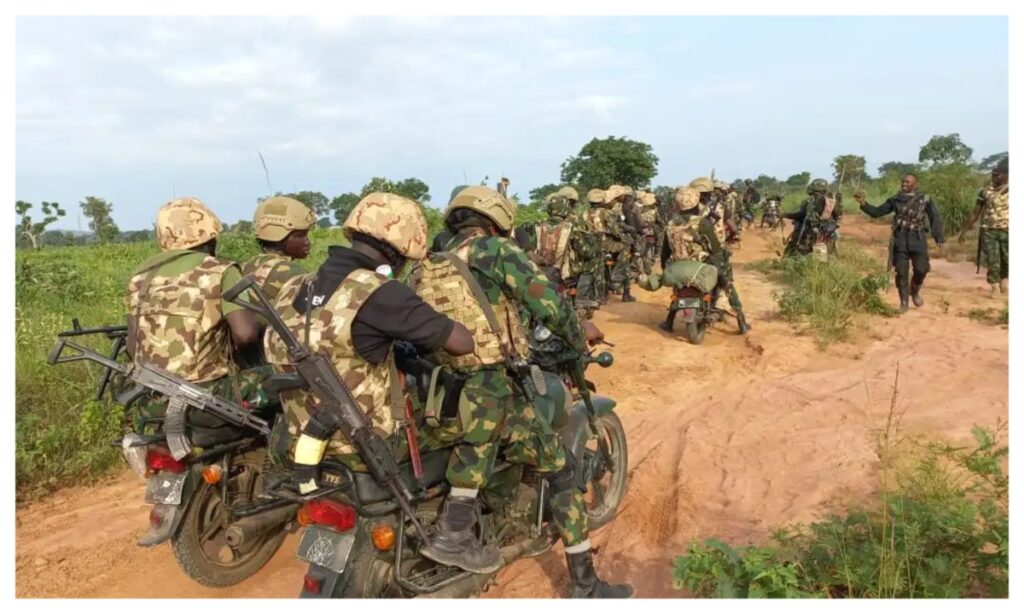
In the past year, Plateau’s security forces have reported a spike in reported incidents of alleged farm raids by herders, prompting the deployment of the military’s Sector 3, Operation ENDURING PEACE (OPEP). The operation, launched in 2024, is tasked with protecting vulnerable communities while also curbing illegal livestock movements that threaten agricultural productivity.
The incident: 55 cows intercepted and a teen herder arrested
On Saturday night, security analyst Zagazola Makama posted on X that troops from OPEP had intercepted a convoy of 55 cattle moving through the Bassa Local Government Area. According to the post, the cows were linked to a 13‑year‑old herder accused of entering a farm and causing damage to crops, an allegation that sparked an immediate response from nearby residents.
The soldiers reportedly stopped the herd at a checkpoint near the village of Bassa, seized the animals, and took the teenager into custody for questioning. Local officials confirmed that the herd was temporarily impounded pending an investigation, and that the boy was being held at the district police station pending a court appearance.
Witnesses in the area said the farm damage was limited to a few rows of maize and pepper plants, but the loss was significant for the smallholder family, who depend on each harvest to meet school fees and medical expenses. The community’s swift call for security intervention reflects a growing impatience with perceived impunity for livestock‑related offences.
Legal and security response: How the state is handling the case
Under Nigeria’s Criminal Code, the unlawful destruction of property is punishable by up to three years in prison, while the Prevention of Conflict and Violence Act (2022) specifically addresses herder‑farmer clashes, mandating restitution and, in some cases, criminal prosecution. The teenager’s age, however, places him under the Children’s Act, which requires that any legal process consider his best interests and prioritize rehabilitation over punitive measures.
The OPEP troops involved in the seizure have been praised by the Plateau State Ministry of Security for acting swiftly, but critics argue that the militarised response may set a precedent for further heavy‑handed interventions. Human rights NGOs, such as the Centre for Democracy and Development, have called for a transparent inquiry that includes testimonies from both the farming family and the herder’s guardians.
Legal experts note that the seizure of livestock could be contested in court, as cattle are often regarded as the primary source of wealth for pastoral families. If the animals are not returned, the herder’s family could face severe economic hardship, potentially fueling a cycle of retaliation that the state aims to avoid.
Broader implications: Youth, climate stress, and the future of pastoralism
The arrest of a 13‑year‑old highlights a disturbing trend: increasing numbers of children are taking on herding responsibilities as older relatives migrate to urban centres for work. Climate change has compressed grazing routes, forcing younger herders to travel farther and sometimes cross into cultivated lands, raising the likelihood of accidental or intentional crop damage.
Economists warn that repeated livestock seizures could undermine the traditional pastoral economy, which contributes roughly 2 % of Nigeria’s GDP and supports millions of households across the Sahel. A loss of cattle not only diminishes immediate income but also erodes the capital that families rely on for future breeding and investment, potentially accelerating rural‑to‑urban migration.
The incident also resonates with diaspora communities who invest in family farms and livestock back home. Many Nigerians living abroad monitor such conflicts closely, as they affect remittance flows and the security of their assets. The heightened media attention may prompt diaspora advocacy groups to lobby for more nuanced, community‑driven conflict‑resolution mechanisms rather than purely security‑based approaches.
What’s next: Policy debate, community dialogue and possible reforms
State officials have announced a public hearing scheduled for early September, inviting farmers, herders, traditional rulers, and civil‑society representatives to discuss restitution for the seized cattle and to chart a path toward lasting coexistence. The hearing is expected to examine whether the current grazing reserve policy adequately addresses the mobility needs of modern pastoralists.
Meanwhile, the federal Ministry of Agriculture is piloting a “livestock tracking” initiative that uses low‑cost GPS collars to monitor herd movements in real time. If successful, the technology could provide evidence in disputes like the Bassa case, reducing reliance on anecdotal accusations and fostering accountability on both sides.
In the longer term, scholars argue that integrating climate‑adaptation strategies—such as establishing early‑warning systems for drought and promoting fodder‑bank projects—could alleviate the pressure that drives herders onto farmlands. The outcome of the Bassa incident may become a litmus test for how quickly Nigerian policymakers can move from reactive security measures to proactive, sustainable solutions.
Quick Answers
Why were the 55 cows seized by Plateau State troops?
The cattle were taken because security forces linked them to a 13‑year‑old herder accused of damaging a local farm, and the seizure was meant to prevent further loss while an investigation proceeds.
What law governs herder‑farmer conflicts in Nigeria?
The 2022 Prevention of Conflict and Violence Act specifically addresses herder‑farmer clashes, outlining restitution, criminal penalties, and mechanisms for dispute resolution.
How could this incident affect future herder‑farmer relations in Plateau State?
If the seized livestock are not returned or the teenager faces harsh punishment, it could deepen mistrust, prompting more confrontations; conversely, a transparent restitution process could set a precedent for peaceful conflict management.
Source: dailypost.ng

💬 Comments 0