PSG vs Lyon postponed 24 hours as Paris protests hit Ligue 1 schedule – October 2026
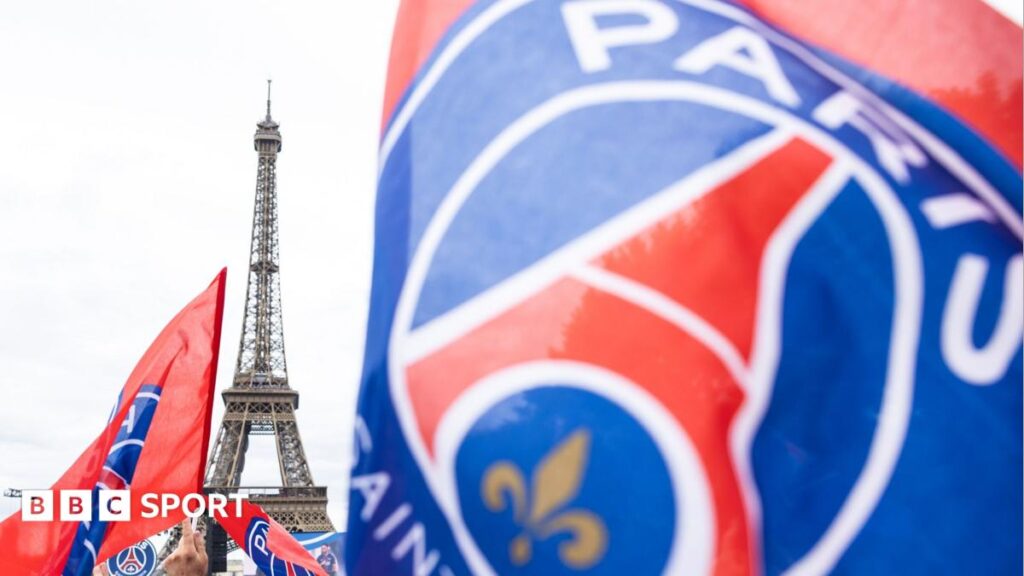
Background: France’s protest wave and football’s vulnerability
Since early October 2026, France has been rocked by a series of nationwide demonstrations against the government’s pension‑reform package. The unrest, sparked by a parliamentary vote to raise the retirement age, has seen regular blockades of major transport arteries, occasional clashes with police, and a surge in public‑order deployments across major cities, especially Paris.
French authorities have historically treated large‑scale sporting events as potential flashpoints, recalling the 2019 Ligue 1 postponement after the Yellow‑Vest protests and the 2023 Champions League match that was delayed due to a strike by public transport workers. This precedent means that any major match in the capital now faces heightened scrutiny from security services and city officials.
The Ligue 1 calendar, already compressed after a summer break caused by the World Cup, leaves little room for rescheduling. Clubs, broadcasters, and betting operators all depend on a tight timetable, making any disruption a ripple that can affect the entire season.
What happened: The 24‑hour delay of the PSG‑Lyon clash
On Saturday, October 24, the French Ministry of the Interior announced that the Ligue 1 fixture between Paris Saint‑Germain (PSG) and Olympique Lyonnais would be pushed back by 24 hours. The decision came after intelligence reports flagged a possible escalation of protests near the Parc des Princes on the original match day.
Police units were set to be redeployed from routine patrols to crowd‑control duties, which would have left the stadium’s perimeter thinly guarded. According to a statement from the Ligue de Football Professionnel (LFP), “the safety of players, staff and fans remains our top priority, and the current security environment does not allow us to guarantee it.”
The new kick‑off time, now scheduled for Sunday evening, will see a shift in broadcast windows for both domestic and international partners. French TV rights holder Canal+ confirmed that the match will still be shown live, but the change will affect the start times of other scheduled programmes.
Why it matters: Financial, competitive and fan‑experience stakes
From a financial perspective, a 24‑hour postponement can cost clubs millions. Ticket refunds, additional staffing, and the need to renegotiate advertising slots all add up. PSG, which projected a record €120 million in match‑day revenue for the season, now faces a short‑term dip that could affect its cash flow for upcoming transfer windows.
On the pitch, the delay compresses the already tight fixture list for both teams. Lyon, currently battling for a top‑four finish, will have less recovery time before its next away game in Marseille. PSG’s coach, Luis Enrique, reportedly told reporters that “the rhythm of the squad is fragile at this stage of the campaign,” highlighting the tactical impact of sudden schedule changes.
Fans are also caught in the crossfire. The Parisian supporter base, which includes a large diaspora of West‑African expatriates, had already booked travel and accommodation for the weekend. The postponement forces many to rearrange plans, potentially leading to lower attendance and a diminished stadium atmosphere on the rescheduled date.
African connections: Players, diaspora fans and market implications
Both PSG and Lyon field several players of African descent, making the match a focal point for the continent’s football followers. Lyon’s midfield includes Senegalese international Sadio Mané, while PSG’s attacking line features Cameroonian‑born forward Vincent Aboubakar, who joined the club in the summer transfer window. Their performances are closely watched by African broadcasters that have rights to Ligue 1 games across the continent.
The postponement disrupts the broadcast schedule for African satellite providers such as Canal+ Afrique and StarTimes, which had allocated prime‑time slots for the match. A shift to Sunday evening may clash with local programming, potentially reducing viewership numbers and advertising revenue for these networks.
Betting markets across Africa also feel the shock. In Nigeria, Ghana and Kenya, millions of dollars are wagered on Ligue 1 outcomes each week. A sudden change in kickoff time can alter odds, prompting bookmakers to adjust lines and sometimes suspend betting until the new start time is confirmed. This creates short‑term volatility for both operators and punters.
Broader pattern: Sport as a barometer of civil unrest
The PSG‑Lyon postponement fits a growing global pattern where major sporting events become collateral damage in periods of political turbulence. In 2024, the South African Premier Soccer League delayed several matches after nationwide student protests, while in Brazil, a Copa Libertadores fixture was moved after a wave of labor strikes shut down major highways.
Analysts at the International Centre for Sports Studies (CIES) note that the intertwining of sport and protest reflects how football stadiums serve as both symbols of national pride and potential gathering points for dissent. When governments perceive a risk of large crowds turning into flashpoints, they tend to prioritize public order over sporting calendars.
The French case is particularly instructive because the government has signalled a willingness to use emergency powers to ensure security at high‑profile events. This approach may set a precedent for how other European leagues handle future disruptions, especially as climate‑induced protests and social movements gain momentum.
What’s next: Rescheduling, season impact and future safeguards
The LFP has indicated that the postponed fixture will be slotted into the calendar on October 25, with no further adjustments planned unless the protest situation deteriorates. However, club officials warn that any additional delays could force a reshuffle of the winter break, potentially compressing the season into a tighter timeframe.
In response to the incident, the French Football Federation (FFF) is drafting a contingency protocol that would allow matches to be moved to neutral venues outside Paris if security threats persist. Such a move would mirror the 2022 decision to relocate a Ligue 1 match to Lille after a series of strikes disrupted transportation in the capital.
For African stakeholders, the key takeaway is the need for flexible broadcast contracts and betting arrangements that can absorb sudden schedule changes. Networks are already negotiating “flex‑clauses” that permit real‑time adjustments, while betting firms are enhancing their odds‑management systems to limit exposure during political volatility.
Quick Answers
Why was the PSG vs Lyon match postponed?
The game was delayed by 24 hours because French authorities warned of heightened protest activity in Paris that could jeopardise stadium security.
How does the postponement affect African viewers and bettors?
It shifts the broadcast time, potentially clashing with local programming on African networks, and forces betting operators to suspend or adjust odds, creating short‑term market volatility.
Will the match be played at a different venue?
For now the fixture will be played at the Parc des Princes on the new date, but the French Football Federation is considering neutral‑venue options for future disruptions.
Source: www.bbc.co.uk




💬 Comments 0