Racist Attack in Lyon 2026 Kills Muslim Man – Are Hate Crimes Rising Across Europe?
Background: Europe’s Growing Hate‑Crime Landscape
In the past decade, the European Union has recorded a steady climb in hate‑crime reports, especially those targeting Muslims. Data from the European Union Agency for Fundamental Rights shows a 23 % increase in anti‑Muslim incidents between 2019 and 2025, a trend that coincides with the rise of far‑right parties in several member states.
France, home to the largest Muslim population in Western Europe, has been a flashpoint for these tensions. The country’s colonial past and ongoing debates over secularism (laïcité) have produced a volatile mix, often spilling over into street violence and online harassment.
The recent killing of a 27‑year‑old Muslim man in Lyon has thrust the issue back into the headlines, prompting NGOs, policymakers, and ordinary citizens to ask whether Europe is witnessing a new wave of racially motivated terrorism.
What Happened in Lyon: A Snapshot of the Attack
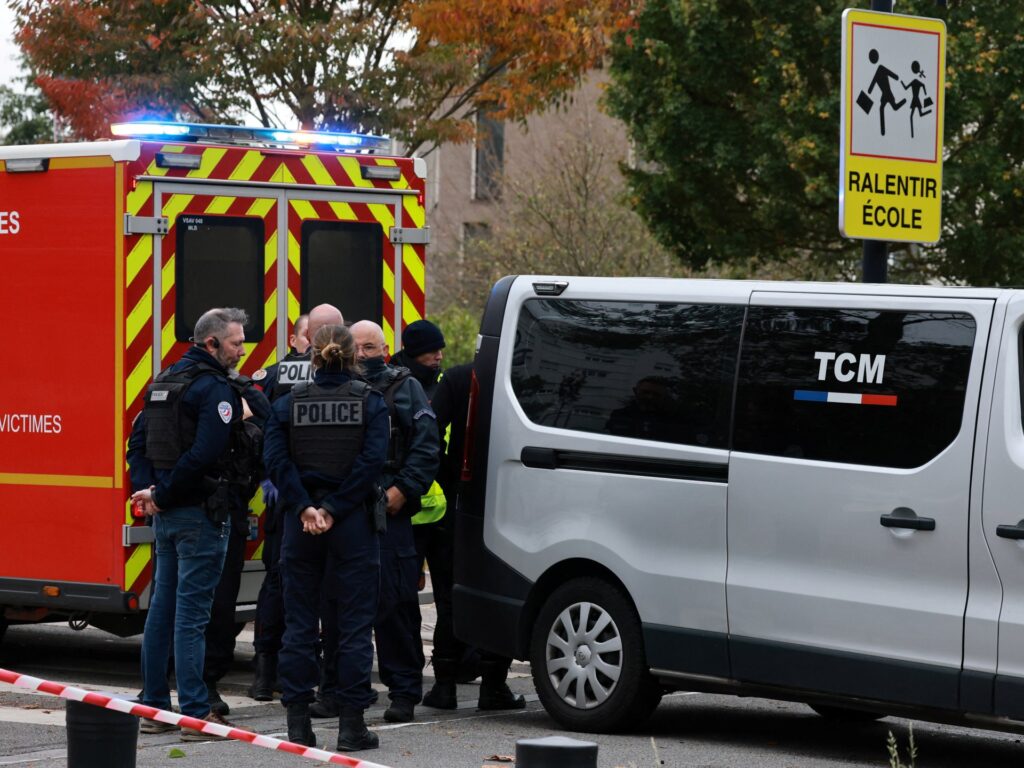
On 22 October 2026, a lone assailant opened fire on a crowded tram in Lyon’s historic Presqu’île district, killing one passenger and injuring three others. Police quickly classified the act as a terrorist attack after discovering the perpetrator’s manifesto, which cited “defending Europe from Islamic infiltration.”
The victim, identified as Karim Diarra, was a Senegalese‑French community organizer who had recently returned from a development project in Dakar. Witnesses say the shooter shouted anti‑Muslim slurs before opening fire, a detail that has fueled accusations of a hate‑motivated act.
French authorities arrested the suspect within hours, but the incident has already sparked protests across the country, with Muslim and African diaspora groups demanding stronger protection and an end to the rhetoric that fuels such violence.
Why It Matters for African Diaspora Communities
France hosts one of the largest African diasporas in Europe, estimated at over 5 million people, many of whom are Muslim. The Lyon attack reverberated through Senegalese, Malian, Ivorian, and Congolese networks, reigniting fears that anti‑African sentiment is being conflated with anti‑Muslim bias.
Remittances from Europe to West Africa total roughly €30 billion annually, according to the World Bank. A climate of insecurity can deter migrants from seeking work abroad, potentially tightening the flow of funds that sustain families and small businesses back home.
Furthermore, the incident threatens to erode the political capital that African diaspora groups have built in French municipalities. Community leaders warn that a surge in hate crimes could push local politicians to adopt stricter immigration controls, undermining the hard‑won gains in representation and civic participation.
Connecting the Dots: A Wider European Trend
The Lyon shooting is not an isolated case. In the same month, a mosque in Berlin was vandalized with anti‑Islamic graffiti, while a similar assault on a kebab shop in Amsterdam left two employees injured. Researchers at the European Monitoring Centre on Racism (EMCR) argue that these incidents share a common narrative: the portrayal of Muslims as “internal enemies” in mainstream media and political discourse.
Far‑right parties in France, Italy, and Hungary have capitalised on these narratives, pushing legislation that restricts religious symbols and tightens asylum rules. Such policies often disproportionately affect African migrants, who are more likely to be Muslim and to arrive via irregular routes.
The pattern mirrors earlier waves of xenophobia seen after the 2015 refugee crisis, suggesting that Europe is entering a new cycle where security concerns are weaponised to justify broader cultural exclusion.
What Comes Next: Policy, Community, and International Response
In the immediate aftermath, French President Emmanuel Macron pledged a “zero‑tolerance” approach to hate‑motivated terrorism, promising new funding for community policing and anti‑radicalisation programmes. Critics, however, argue that such measures often target the victims rather than the perpetrators, calling for stricter enforcement of hate‑crime statutes instead.
Civil‑society organisations across Europe are coordinating a pan‑continental response, launching a “Safe Spaces” campaign that will provide legal aid, mental‑health support, and security training to at‑risk Muslim and African communities. The initiative is backed by the African Union’s Diaspora Programme, highlighting the trans‑continental dimension of the issue.
Looking ahead, analysts warn that unless European governments decouple security rhetoric from ethnic profiling, the continent could see a further spike in hate‑crime statistics. For African diaspora members, the stakes are personal: their safety, their economic contributions, and their ability to shape the societies they now call home.
Quick Answers
How many hate crimes against Muslims were reported in Europe in 2025?
The European Union Agency for Fundamental Rights recorded about 12,800 anti‑Muslim hate crimes across the EU in 2025.
What impact could the Lyon attack have on African remittances to West Africa?
If the attack spurs stricter immigration policies, it could reduce the number of African workers in Europe, potentially lowering the €30 billion annual remittance flow.
Which organizations are leading the response to rising hate crimes in Europe?
Groups such as the European Monitoring Centre on Racism, the African Union’s Diaspora Programme, and local NGOs like SOS Racisme are coordinating legal, social, and policy‑focused initiatives.
Source: www.aljazeera.com




💬 Comments 0