Raphinha Thigh Injury in Brazil vs Australia Friendly in Brisbane Raises World Cup and Barcelona Concerns 2026
Background: Raphinha’s ascent and dual commitments
Born in São Paulo, Raphinha (Raphael Dias Belloli) has become one of Brazil’s most marketable wingers, dazzling at Leeds United before securing a €70 million move to Barcelona in 2022. His blend of pace, dribbling and eye for goal earned him a regular spot in the Catalan side’s front line and a call‑up to the Seleção after a three‑year national team hiatus.
For Brazil, Raphinha offers a European‑trained alternative to the traditional home‑grown stars, complementing the likes of Vinícius Júnior and Rodrygo. His recent form – three goals in the last five La Liga outings – positioned him as a likely starter in the final round of World Cup qualifiers and the summer’s 2026 World Cup in the United States, Canada and Mexico.
The friendly in Brisbane: what went wrong
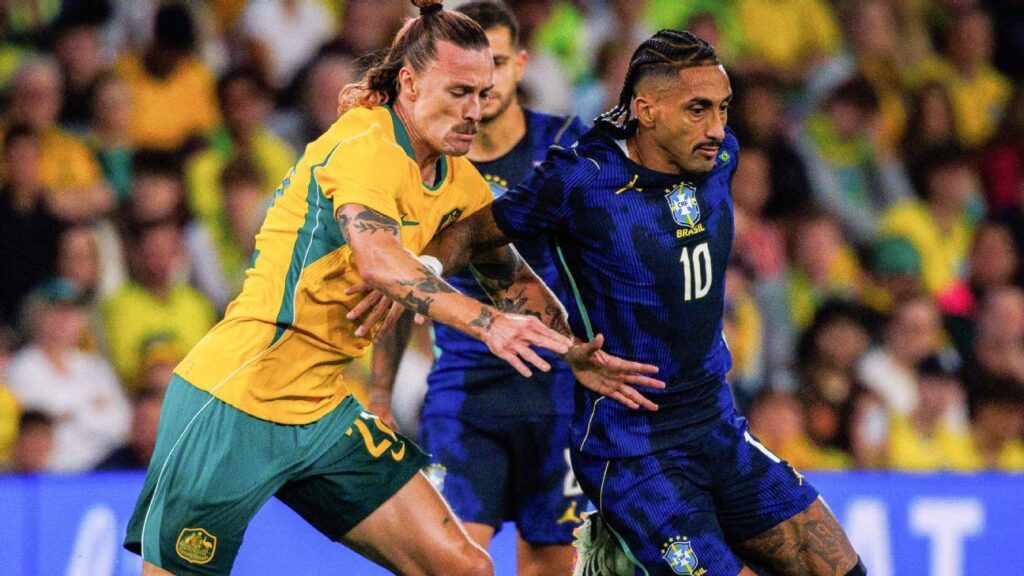
On Tuesday, Brazil faced Australia at Suncorp Stadium in a 4‑2 victory that served as a rehearsal for the upcoming World Cup qualifiers. Raphinha started on the left flank, contributing a key assist before being withdrawn in the 58th minute after a visible cramp in his right thigh. The Brazilian medical team confirmed a minor muscle strain, prompting a substitution for veteran winger Richarlison.
Australian coach Graham Arnold noted that the injury “looked like a classic thigh pull,” while Brazil’s post‑match press conference described the issue as “non‑serious” but “requiring a few days of rest.” The match ended without further incident, but the early exit of a star player raised eyebrows among analysts.
Why it matters for Brazil’s World Cup campaign
Brazil’s qualifying schedule is packed: a decisive clash with Uruguay in early October and a final showdown against Colombia in November. A lingering thigh problem could force coach Dorival Júnior to rotate his attacking line‑up, potentially disrupting the chemistry built during the recent friendlies.
Moreover, the Seleção’s tactical plan under Júnior relies heavily on wide players who can cut inside and create space for the central striker. Losing Raphinha, who averages 2.3 successful dribbles per 90 minutes, would limit those options and could shift the burden onto younger, less experienced options such as Gabriel Veron.
Repercussions for Barcelona’s season and transfer market
At Camp Nou, Raphinha’s injury arrives at a critical juncture. Barcelona sits third in La Liga, chasing a Champions League spot, and the club is already coping with injuries to key forwards like Robert Lewandowski and Ousmane Dembélé. Coach Xavi Hernández has publicly emphasized squad depth, but losing a player who contributed eight assists this season narrows the tactical toolbox.
The strain also ripples through the summer transfer market. Rumours linking Raphinha to a possible move back to the Premier League have circulated since the start of the campaign. A prolonged lay‑off could dampen interest from clubs such as Tottenham or Newcastle, potentially affecting Barcelona’s negotiating leverage and the broader European market for South American talent.
African fans, markets and the Brazilian brand
Brazilian football enjoys a massive following across Sub‑Saharan Africa, where the national team’s flair often eclipses local leagues. Merchandise sales for the Seleção surge after major tournaments, and broadcasters in Nigeria, Kenya and South Africa pay premium fees for rights to Brazil’s matches. Raphinha’s growing popularity – bolstered by his social‑media presence in Portuguese‑speaking African nations such as Angola and Mozambique – means his absence could temporarily dip viewership numbers for upcoming qualifiers.
Conversely, the incident highlights a broader trend: African broadcasters are increasingly investing in streaming platforms that can pivot quickly when star players miss games. Companies like Showmax and DStv have begun offering “player‑focused” content, ensuring fans stay engaged through behind‑the‑scenes footage, training updates and fan‑generated analysis, thereby mitigating the commercial impact of any single injury.
What’s next: recovery timetable and upcoming fixtures
Medical staff estimate a mild Grade‑1 thigh strain typically requires 5‑7 days of light training before full match fitness returns. Raphinha is expected to resume light sessions later this week, with a possible inclusion in the squad for the Uruguay qualifier if his recovery goes as planned.
Brazil will travel to Montevideo on October 7 for the decisive game, while Barcelona faces a crucial Copa del Rey quarter‑final against Atlético Madrid on October 10. Both fixtures will serve as litmus tests for how quickly the player can reintegrate, and they will shape the narrative around his durability ahead of the 2026 World Cup.
Quick Answers
How serious is Raphinha’s thigh injury?
It is classified as a mild Grade‑1 muscle strain, usually needing about a week of rest before full training resumes.
Will Raphinha miss Brazil’s next World Cup qualifier?
He is expected to be fit for the October 7 match against Uruguay if his recovery progresses without setbacks.
How could the injury affect Barcelona’s transfer plans?
A longer lay‑off could reduce interest from Premier League clubs, potentially lowering Barcelona’s bargaining power in the summer market.
Source: www.espn.com




💬 Comments 0