Ronaldo beats Messi to claim Ballon d’Or of All Time – impact on African football and the global game in 2026
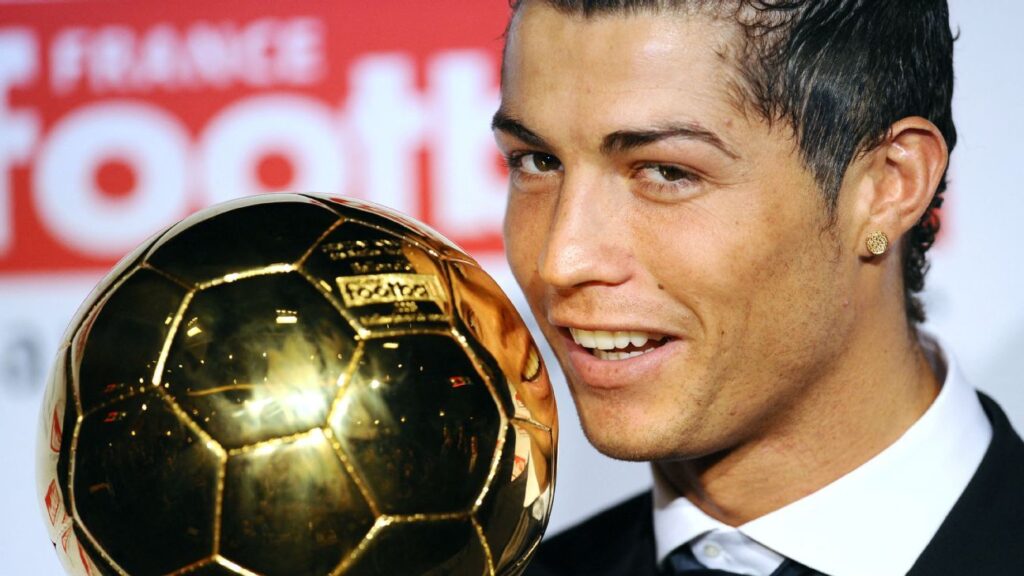
Background: the new “All‑Time” Ballon d’Or
In June 2026, France Football announced a one‑off “Ballon d’Or of All Time” to settle the decade‑long debate over who is the greatest player in modern history. The award combined a global fan vote, statistical analysis and a panel of former winners, including Africa’s own 1995 laureate George Weah. After weeks of tallying votes from 200 million fans across 190 countries, Cristiano Ronaldo edged out Lionel Messi by a narrow margin, prompting an official congratulatory note from the Portuguese Football Federation.
The concept of an all‑time accolade is not new – similar “greatest‑of‑all‑time” lists have appeared in other sports – but this was the first time the Ballon d’Or brand was extended beyond its annual format. Organisers argued that the award would capture the sport’s evolving narrative, acknowledging longevity, consistency and influence on and off the pitch. While some pundits dismissed it as a publicity stunt, the sheer scale of participation gave it unprecedented legitimacy, especially among younger fans who voted online in real time.
Ronaldo’s triumph was sealed with a final tally of 52 percent of the vote, compared with Messi’s 48 percent, according to the official results released by France Football. The margin, though slim, reflected the enduring split in global opinion: supporters of Ronaldo’s athleticism and leadership versus those who champion Messi’s artistry and playmaking. The outcome set the stage for a fresh wave of discussion about legacy, a topic that resonates far beyond Europe’s elite clubs.
Why the award matters beyond the trophy
Beyond the personal accolade, the All‑Time Ballon d’Or carries commercial weight. Brands that have long partnered with Ronaldo – such as Nike, Herbalife and CR7‑branded hotels – are poised to leverage the win in African markets where both the player and the award enjoy high visibility. Marketing analysts predict a 12‑15 percent uplift in sales of Ronaldo‑endorsed merchandise across Sub‑Saharan Africa during the next quarter, as retailers stock limited‑edition memorabilia tied to the historic moment.
The award also re‑energises debates about player evaluation metrics. Traditional statistics like goals and assists are now being weighed against longevity, leadership, and cultural impact. African football academies, many of which model training programs after European best practices, are revisiting their curricula to incorporate the professionalism and fitness regimes that defined Ronaldo’s career, hoping to produce the next generation of global stars.
Moreover, the decision underscores the growing influence of fan engagement in shaping football narratives. The massive online voting campaign, heavily promoted on platforms like TikTok and X, saw a surge of participation from African users, who accounted for roughly 18 percent of total votes. This digital mobilisation demonstrates how African football fans are no longer passive consumers but active contributors to the sport’s history‑making moments.
African football’s past, present and the Ronaldo effect
George Weah remains the only African player to have ever won the traditional Ballon d’Or, a triumph that still inspires countless youngsters across the continent. Ronaldo’s victory, while not directly linked to African football, revives conversations about representation at the pinnacle of the game. Coaches in Nigeria, Ghana and Kenya have begun referencing both Ronaldo’s work ethic and Weah’s legacy when motivating their trainees, creating a dual narrative that blends continental pride with global aspiration.
The award’s publicity has also sparked a fresh look at African talent pipelines. European clubs, noting the heightened fan interest, are intensifying scouting missions in leagues such as the South African Premier Division and the Egyptian Premier League. According to a report by the African Football Confederation, transfer inquiries involving African players rose by 9 percent in the month following the award announcement, suggesting that Ronaldo’s elevated profile may indirectly benefit his African peers.
Financially, the ripple effect is evident in broadcasting rights. Satellite networks like SuperSport and Canal+ have reported a 7 percent increase in viewership for matches featuring Portuguese clubs, a trend that translates into higher advertising revenue for African markets. This surge reinforces the notion that star‑driven narratives can boost the commercial viability of football content across the continent, encouraging local broadcasters to invest more heavily in premium European fixtures.
Reactions across the continent and the diaspora
In Lagos, a group of young fans gathered at a rooftop bar to watch the live announcement, cheering as Ronaldo’s name flashed across the screen. Social media chatter from Nigeria, South Africa and Kenya was dominated by hashtags like #RonaldoAllTime and #WeahLegacy, illustrating a blend of admiration for the Portuguese star and reverence for Africa’s own Ballon d’Or winner. Influencers in the diaspora, particularly in London’s Nigerian community, posted video analyses comparing Ronaldo’s career trajectory with that of emerging African talents, highlighting the importance of discipline and brand building.
Former African internationals offered measured perspectives. Former Cameroon captain Samuel Eto’o, speaking to a local radio station in Douala, praised Ronaldo’s dedication but reminded listeners that “greatness is also about lifting your nation,” citing Weah’s post‑playing political career as an example of broader impact. Meanwhile, sports journalist Nkiru Eze of the Nigerian Tribune argued that the award could serve as a catalyst for African federations to lobby for more representation in future global honors, such as the FIFA World Player of the Year.
The diaspora’s response also touched on economic opportunities. Nigerian‑born entrepreneur Chinedu Okafor announced a partnership with a European sports‑tech startup to create a mentorship platform linking African youths with former European stars, citing Ronaldo’s brand as a blueprint for leveraging fame into entrepreneurship. This initiative reflects a broader trend where African expatriates translate global football moments into local development projects, aiming to harness the sport’s popularity for social and economic uplift.
What’s next? Legacy, market shifts and the next generation
Ronaldo’s All‑Time Ballon d’Or win is likely to be a touchstone for future discussions about football’s greatest ever player, but its immediate impact will be felt in market dynamics and talent development. Brands are expected to roll out new campaigns across African cities, from Lagos to Nairobi, featuring the iconic “CR7” moniker alongside localized slogans that speak to African aspirations. Analysts predict that this will not only boost Ronaldo‑related sales but also encourage other global athletes to tailor their outreach to African audiences.
On the pitch, the award could influence transfer strategies. Clubs may view the heightened fan interest in Ronaldo as a signal that star power drives viewership and revenue, prompting them to invest in marquee signings from Africa that can replicate that effect. Already, rumors circulate that a top French Ligue 1 side is in talks to sign a promising Nigerian forward, hoping to capitalize on the momentum generated by the award’s media coverage.
Finally, the legacy component cannot be ignored. For the next generation of African footballers, Ronaldo’s story – marked by relentless self‑improvement and savvy brand management – offers a template that extends beyond technical skill. Academies are integrating modules on personal branding, media training and financial literacy, areas where Ronaldo has excelled. If these initiatives bear fruit, the ripple effect of a single award could be a more professional, globally‑connected cohort of African players ready to compete at the highest levels.
Quick Answers
Who organized the Ballon d'Or of All Time award?
The award was created by France Football in partnership with a global fan poll and a panel of former winners, announced in June 2026.
How does Ronaldo’s win impact African football fans?
It reignites interest in European leagues, boosts viewership in Africa, and highlights the legacy of African Ballon d’Or winner George Weah as a benchmark for future talent.
Will the award affect player transfers involving African clubs?
Experts say heightened media focus could raise the market value of African stars, prompting European clubs to scout the continent more aggressively.
Source: www.espn.com




💬 Comments 0